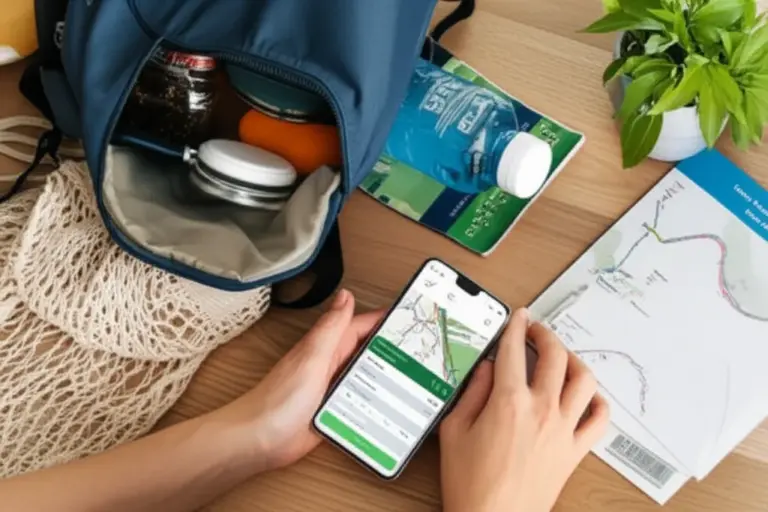
Planning your eco-friendly day trip: timetables, ticket tips, packing light, and sustainable local transport options
- Planning your eco-friendly day trip: timetables, ticket tips, packing light, and sustainable local transport options
- Why Choose an Eco-Friendly Day Trip in Thailand?
- Mastering Timetables and Booking: The Digital Approach
- Sustainable Local Transport Options in Thailand
- The Art of Packing Light and Green
- Practical Tips for Minimizing Your Footprint On Site
- คำถามที่พบบ่อย (FAQ)
- What is the most eco-friendly way to travel between Bangkok and Ayutthaya for a day trip?
- How can I reduce plastic waste specifically during street food excursions?
- Are there specific apps I should download for using local transport in Thai cities?
- What is the main benefit of packing light for an eco-friendly day trip Thailand?
Thailand, the Land of Smiles, beckons travelers with its stunning temples, vibrant markets, and pristine beaches. As global awareness shifts towards responsible tourism, planning an eco-friendly day trip Thailand is not just commendable—it’s essential for preserving this incredible destination. This comprehensive guide will equip you with expert strategies for mastering timetables, securing smart ticket purchases, adopting a minimalist green packing philosophy, and navigating local transport sustainably, ensuring your adventure leaves nothing but positive footprints.
Expert Insight: Sustainability in Thailand often hinges on utilizing existing public infrastructure rather than private, high-emission taxis or long-distance private car hires.
Why Choose an Eco-Friendly Day Trip in Thailand?
The pressures of mass tourism can strain local resources, impact fragile ecosystems (especially around marine parks), and increase the carbon footprint associated with travel. An eco-conscious approach helps maintain the cultural integrity and natural beauty that draws millions here annually. By focusing on local transport and minimizing waste, your journey directly supports the Thai economy in a more equitable way.
Mastering Timetables and Booking: The Digital Approach
Reliable scheduling is the backbone of any successful day trip. In Thailand, relying solely on paper schedules is inefficient. Leveraging digital tools ensures you catch the earliest, most fuel-efficient transport options.
Utilizing Official Transport Apps
For urban exploration, especially in Bangkok, apps are indispensable. They provide real-time updates, saving you from waiting unnecessarily at a station or pier, which conserves energy and time.
- Rail & Metro: While the BTS Skytrain and MRT Subway systems in Bangkok are excellent, check for official route maps or third-party apps that aggregate schedules for easier navigation.
- Ferry & Longtail Boats: For island-hopping day trips (e.g., Phuket to Phi Phi), always check the official pier operator websites for the latest departure and return times, as these are highly weather-dependent.
- Bus Networks: For provincial travel, apps like 12Go Asia (while not strictly official) aggregate schedules from various private and government operators, offering a comparative timetable overview.
Pre-Booking Tickets for Major Attractions
Saving money and reducing paper waste go hand-in-hand. Many major temples (like the Grand Palace in Bangkok) and national parks now encourage or mandate online booking. This reduces queues, which means less time spent idling near crowded entry points.
- Check official websites for discounted online rates.
- Download mobile e-tickets instead of printing confirmation emails.
- Be aware of ‘Green Hours’—some sites offer lower entry fees during off-peak times to spread visitor impact.
Sustainable Local Transport Options in Thailand
The key to a successful eco-friendly day trip Thailand lies in selecting transport that minimizes your carbon footprint while maximizing local cultural immersion.
Green City Commuting (BTS/MRT/Tuk-Tuk Strategy)
In large cities, prioritize electric or rail transit. The BTS and MRT are emission-free at the point of use. For short distances where rail isn’t available, choose shared transport over single-occupancy taxis.
| Transport Mode | Sustainability Rating | Best Use Case |
|---|---|---|
| BTS / MRT (Train) | Excellent | Long urban distances, avoiding traffic congestion. |
| Shared Songthaew / Local Bus | Good | Short hops between districts or local markets. |
| E-Tuk-Tuks / Electric Taxis | Very Good | Short, last-mile travel where walking isn’t feasible. |
| Standard Taxi/Motorbike Taxi | Fair (Use Sparingly) | When public transport routes are unavailable or unsafe. |
Intercity Travel: Rail vs. Bus Emissions
When traveling between provinces for a day trip (e.g., Bangkok to Ayutthaya), the train is almost always the superior environmental choice over a private van or bus, especially if you opt for second-class fan carriages which use less energy than air-conditioned coaches.
Choosing Ethical Tour Operators
If a guided tour is necessary, Vet operators based on their commitment to sustainability. Look for companies that: use smaller vehicles, hire local guides exclusively, support community-based tourism projects, and have explicit policies on waste management at natural sites.
Deep Dive: Sustainable Sightseeing in Thailand
For deeper context on how to travel responsibly across the country, watch this guide:
The Art of Packing Light and Green
Packing light directly correlates with reduced fuel consumption for any vehicle carrying you. Furthermore, packing sustainably means eliminating single-use plastics before you even leave your accommodation.
Essential Zero-Waste Gear Checklist
These items are crucial for reducing your trash footprint while touring temples or hiking.
- Reusable Water Bottle & Filter: Essential for staying hydrated without buying plastic bottles. Many modern cafes and hotels offer refill stations.
- Reusable Cutlery Set: Perfect for sampling street food sustainably.
- Tote Bag: For shopping at local markets; decline plastic bags offered by vendors.
- Reef-Safe Sunscreen: If your day trip involves swimming or snorkeling, protect delicate marine life.
Clothing for Comfort and Conservation
When visiting sacred sites, appropriate dress is mandatory. Packing light means choosing versatile, quick-drying fabrics that require less washing, further reducing water consumption on your trip.
Practical Tips for Minimizing Your Footprint On Site
Once you arrive at your destination, mindful behavior solidifies your commitment to sustainability. This is where true expertise in local etiquette comes into play.
Respecting Local Culture & Nature
Always ask permission before photographing people. Stick to marked paths in national parks to avoid damaging flora. When purchasing souvenirs, prioritize items made locally using traditional methods over mass-produced imports.
By integrating these steps—from leveraging digital timetables to packing consciously—your next journey becomes a model for responsible tourism. An eco-friendly day trip Thailand is entirely achievable with careful, informed planning, ensuring the magic of the Kingdom endures for generations to come. Safe and green travels!
คำถามที่พบบ่อย (FAQ)
References
- Official Tourism Authority of Thailand Resources
- Guides on Ethical Tourism Practices in Southeast Asia
- Low-carbon day trips from Bangkok by train: Sustainable escapes for eco-conscious travelers
- Why choose train travel from Bangkok? Benefits, carbon savings, and how it compares to driving or flying
- Top low-carbon destinations reachable by train: routes, travel times, and what to see (Ayutthaya, Kanchanaburi, Amphawa, Lopburi)