Taste Local Organic Cuisine in Chiang Khong to Support Small Farmers and Sustainable Tourism
- Taste Local Organic Cuisine in Chiang Khong to Support Small Farmers and Sustainable Tourism
The northernmost reaches of Thailand hold hidden gems far from the well-trodden tourist paths. Chiang Khong, nestled on the banks of the Mekong River bordering Laos, is one such treasure. Beyond its strategic location, this quiet district is becoming a quiet champion of sustainability, particularly through its burgeoning commitment to local, organic cuisine. To truly Taste Local Organic Cuisine in Chiang Khong to Support Small Farmers and Sustainable Tourism is to engage in meaningful travel—one where every delicious bite contributes directly to the ecological health and economic resilience of the local community. This exploration dives into the flavors, the faces, and the philosophy driving Chiang Khong’s farm-to-table movement.
The Heart of the Mekong: Chiang Khong’s Agricultural Landscape
Chiang Khong’s geography—fertile river plains meeting rolling hills—makes it ideal for agriculture. For generations, local families have relied on traditional, often organic, farming methods. However, the pressures of commercialization and global markets often force smallholders to adopt intensive, chemical-heavy practices to compete. The shift towards promoting local organic cuisine is a direct counter-movement, valuing quality, heritage, and environmental stewardship over sheer volume.
The Organic Difference: Purity and Potency
When you seek out organic produce here, you are choosing food grown without synthetic pesticides or fertilizers. This results in crops that are richer in flavor and nutrients, benefiting both the consumer and the soil. Look for specific local staples:
- Heirloom varieties of rice grown in the nearby paddy fields.
- Wild herbs and chili peppers sourced from surrounding forests.
- Seasonal fruits like pomelo and unique local bananas grown without chemical intervention.
Direct Impact: Supporting Small Farmers Through Your Plate
The core philosophy behind embracing the local food scene in Chiang Khong is economic empowerment. When tourists choose restaurants or markets prioritizing local organic sourcing, the revenue flows directly to the small-scale farmers who need it most. This model cuts out unnecessary middlemen, ensuring a fairer price for their labor and encouraging them to maintain sustainable practices.
The Traveler’s Role
Choosing certified organic or clearly labeled local dishes is a powerful form of advocacy. It signals to local businesses that sustainability is a valued commodity, creating a positive feedback loop for ethical sourcing.
Finding the True Taste: Where to Eat
Identifying establishments dedicated to this ethos requires looking beyond the main tourist strips. Seek out family-run eateries or those prominently displaying partnerships with local agricultural cooperatives. Many authentic spots will feature daily specials based strictly on what the local farmers brought in that morning.
Sustainable Tourism: A Recipe for the Future
Sustainable tourism is about minimizing negative impact while maximizing positive contribution. In Chiang Khong, the culinary scene is intrinsically linked to this goal. By demanding organic and local food, travelers help preserve the surrounding ecosystem. Reduced transportation needs (fewer food miles), minimized chemical runoff into the Mekong, and the preservation of traditional farming knowledge all contribute to a healthier destination for everyone.
Experiential Learning: Farm Visits and Cooking Classes
For the deeply engaged traveler, several local initiatives offer opportunities to connect directly with the source. Participating in a cooking class that sources ingredients directly from the garden where they were grown provides unparalleled insight. These experiences often highlight traditional Northern Thai (Lanna) cooking techniques that naturally emphasize fresh, seasonal vegetables.
To illustrate the beauty of this region’s culinary connection to nature, take a moment to watch this overview of the Mekong region’s unique heritage and how sustainable practices are vital for its future:
Must-Try Local Dishes Rooted in Organic Ingredients
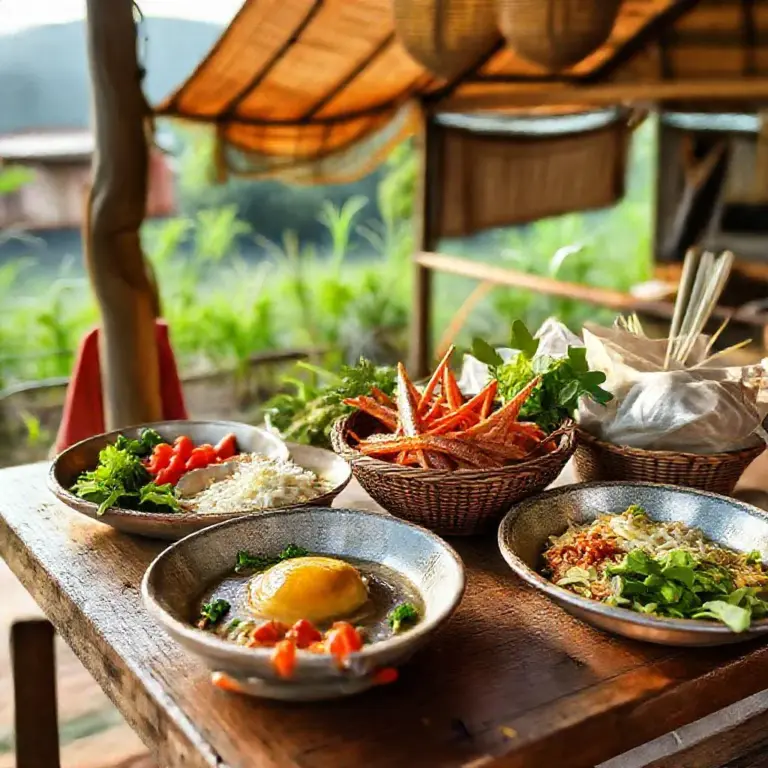
While in Chiang Khong, you should seek out dishes that truly showcase the freshness of the local bounty. Traditional Northern Thai cuisine leans heavily on herbs, fermented elements, and fresh vegetables, making it naturally suited for organic sourcing.
| Dish Name | Key Organic Elements | Why It Matters |
|---|---|---|
| Khao Soi Noi (Local Noodle Curry) | Fresh turmeric, organic free-range chicken/pork, local chili paste. | The complexity of the curry paste relies on the potency of fresh, local spices. |
| Sai Oua (Northern Thai Sausage) | High-quality, naturally raised pork, abundant fresh herbs (lemongrass, kaffir lime). | The flavor profile is dramatically enhanced by pesticide-free herbs. |
| Gaeng Om (Clear Herb Soup) | Abundance of seasonal forest greens and vegetables. | This dish is a direct celebration of what the local organic landscape provides that day. |
Logistics: Finding Your Organic Connection in Chiang Khong
While Chiang Khong is smaller than Chiang Rai city, its commitment to quality is palpable. To help you navigate, here is a general location marker for the central area where many sustainable food initiatives begin:
When visiting, remember that hospitality in Northern Thailand is deep-rooted. Don’t hesitate to ask restaurant owners or market vendors about where their ingredients come from. This simple act of curiosity reinforces the demand for transparency and supports the core mission to Taste Local Organic Cuisine in Chiang Khong to Support Small Farmers and Sustainable Tourism.
References
คำถามที่พบบ่อย (FAQ)
1. How can I be sure the food I am eating in Chiang Khong is truly organic?
While formal certifications can be scarce for very small farms, the best indicator is transparency. Ask vendors or chefs directly about their sourcing. Restaurants that source from local cooperatives or feature daily menus based on harvests are usually reliable.
2. Does eating local organic food cost significantly more in Chiang Khong?
Generally, prices are more comparable to mid-range dining in larger Thai cities, but they offer far better value due to the quality and direct support provided to farmers. It is an investment in sustainability rather than just a meal.
3. What is the best way to travel sustainably to Chiang Khong?
The most sustainable route is often by overnight train or bus from Bangkok to Chiang Rai, followed by a local shared minivan (songthaew) to Chiang Khong, minimizing individual carbon footprints compared to domestic flights.
4. Are there specific organic markets I should visit?
Look for morning markets near the main bus station or community centers. These often feature farmers selling their produce directly before the main commercial vendors arrive, usually marked by smaller, less uniform displays of vegetables.