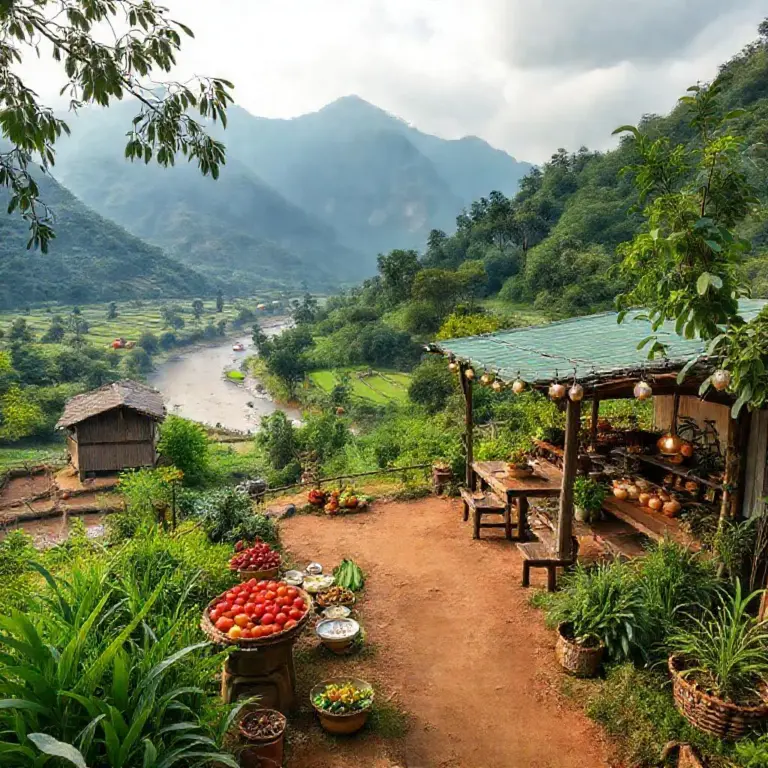
Why Chiang Khong Is a Hidden Gem for Organic, Farm-to-Table Food Lovers
- Why Chiang Khong Is a Hidden Gem for Organic, Farm-to-Table Food Lovers
When travelers think of Northern Thailand’s culinary scene, Chiang Mai and Chiang Rai often spring to mind. However, tucked away on the banks of the Mekong River, bordering Laos, lies a true gastronomic frontier: Chiang Khong. This quiet border town is rapidly emerging as a destination for discerning food lovers seeking genuine, unadulterated flavors. If your passion lies in the traceability, freshness, and sustainability of organic, farm-to-table food, understanding Why Chiang Khong Is a Hidden Gem for Organic, Farm-to-Table Food Lovers is essential for your next Thai adventure.
The Unique Geography Fueling Chiang Khong’s Freshness
Chiang Khong’s prime location dictates its culinary identity. Situated in the northernmost part of Chiang Rai province, it benefits from cooler highland climates and the fertile alluvial soils deposited by the Mekong River. This unique microclimate is perfect for cultivating specialty crops that thrive away from the intense heat of central Thailand. Farmers here often practice traditional, sustainable methods, driven by necessity rather than just current trends. The proximity to the river also means a steady supply of fresh, wild-caught fish, a cornerstone of local Lanna-style cooking.
Beyond the Tourist Trail: Authentic Sourcing
Unlike major tourist hubs where “organic” can sometimes mean a slight price premium on imported goods, in Chiang Khong, organic sourcing is deeply ingrained. Local markets often feature direct sales from smallholder farmers. You aren’t just buying vegetables; you are buying what the farmer grew that morning, often using heirloom seeds passed down through generations. This direct connection ensures unparalleled flavor and transparency.
The Lanna Influence on Farm-to-Table Philosophy
The cuisine around Chiang Khong is heavily influenced by Lanna traditions, emphasizing strong, pungent herbs, slow cooking, and a balanced use of proteins. The farm-to-table ethos here is inherently traditional, focusing on utilizing every part of the ingredient—a practice that aligns perfectly with modern sustainability goals.
Must-Try Local Delicacies Rooted in the Land
To truly experience the area, visitors must seek out dishes that showcase local produce:
- Gaeng Om (Spicy Herb Soup): A watery, intensely aromatic soup packed with local greens, mushrooms, and often fish. The flavor profile relies entirely on the quality and freshness of the herbs.
- Nam Prik Ong/Noom (Chili Dips): While famous across the North, the Chiang Khong versions utilize uniquely sourced wild chilies and tomatoes, offering a depth of flavor hard to replicate elsewhere.
- Khao Soi Gai/Nuea (Curry Noodle Soup): The local Chiang Khong interpretation often features richer, homemade egg noodles and meat sourced from nearby highland farms.
A Note on Experience:
Engaging with the local food scene here requires patience. Many excellent eateries are small family operations. Showing genuine interest in where the ingredients come from is highly appreciated by the vendors.
The Mekong’s Bounty: Seafood Beyond the Coast
While Thailand is synonymous with seafood, Chiang Khong offers a unique freshwater perspective. The Mekong River provides an array of sustainable fish. These are rarely found in Bangkok or Phuket restaurants. The preparation is typically simple—steamed, grilled over charcoal, or lightly fermented—allowing the natural, clean flavor of the river catch to shine. This focus on local, non-oceanic protein is a significant differentiator for food tourists.
Witnessing the Source: Market Exploration
The best way to grasp the commitment to farm-to-table is by visiting the morning market (Talad Chao). Here, you can see the integration of local agriculture and daily life. Look for stalls displaying certified organic labels or simply ask vendors about the origin of their produce. This direct interaction deepens the appreciation for Why Chiang Khong Is a Hidden Gem for Organic, Farm-to-Table Food Lovers.
To give you a visual sense of the incredible sourcing and preparation techniques used in this region, please watch this short feature on Northern Thai cooking traditions:
Sustainability and Community: The Chiang Khong Ethos
The movement toward organic and sustainable eating in Chiang Khong isn’t a marketing trend; it’s a necessary practice for community survival along the river. Small local cooperatives are increasingly focused on water conservation and reducing chemical runoff, directly impacting the quality of the food reaching your plate. When you dine here, your tourism dollars directly support these responsible agricultural practices.
Finding the Best Local Eateries
While dedicated farm-to-table restaurants are rare (as the entire town operates on a hyper-local model), several established local restaurants are known for their commitment to fresh ingredients. Look for places slightly off the main thoroughfare near the river crossing. A common indicator of quality is a simple menu that changes frequently based on the day’s catch or harvest.
Conclusion: The Unspoiled Taste of the North
Chiang Khong is not a place defined by Michelin stars or glossy international reviews; it is defined by the soil, the river, and the generations of farmers who have mastered sustainable cultivation in this specific corner of Thailand. For those travelers prioritizing ingredient integrity, seasonality, and authentic regional flavors, the answer to Why Chiang Khong Is a Hidden Gem for Organic, Farm-to-Table Food Lovers is simple: it offers the purest taste of Northern Thailand before mass tourism reshapes its offerings. Plan your journey now to savor this unspoiled culinary secret.
References
คำถามที่พบบ่อย (FAQ)
How far is Chiang Khong from Chiang Mai?
Chiang Khong is approximately 5 to 6 hours drive northeast of Chiang Mai, often making it a stopover destination on the way to the Golden Triangle area.
Is Chiang Khong safe for solo travelers interested in food tourism?
Yes, Chiang Khong is generally very safe. The local community is welcoming, and food stalls operate with high levels of trust, though standard travel precautions should always be taken.
English menus are less common in the most authentic, family-run establishments. Pointing, using translation apps, or observing what local patrons are ordering is often the most effective way to navigate the menu.
What is the best way to experience the Mekong River fish?
The best way is to try ‘Pla Pao’ (salt-crusted, charcoal-grilled fish) served with fresh herbs and a spicy dipping sauce. This preparation highlights the fish’s natural flavor perfectly.