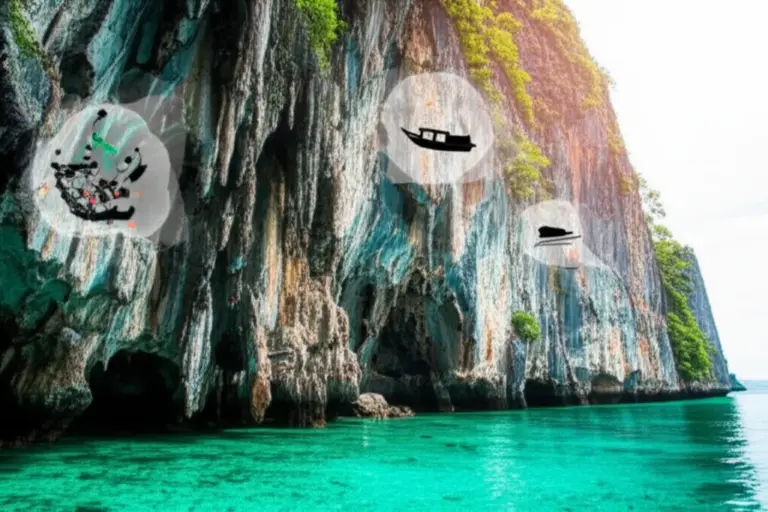
Top climbing sectors and routes at Railay — detailed breakdown of Phra Nang, Tonsai, and West Railay with difficulty, approach, and route highlights
- Top climbing sectors and routes at Railay — detailed breakdown of Phra Nang, Tonsai, and West Railay with difficulty, approach, and route highlights
- Introduction to Railay Rock Climbing
- Phra Nang Beach: Iconic Climbs and Stunning Views
- Tonsai Beach: The Climber’s Hub
- West Railay: Accessible and Diverse
- General Railay Climbing Information
- Deep Water Soloing (DWS) in Railay
- Railay Climbing Location
- Experience Railay Climbing
- Conclusion: Your Railay Climbing Adventure Awaits
- คำถามที่พบบ่อย (FAQ)
Railay, a small peninsula nestled between Krabi and Ao Nang in Thailand, is not just a postcard-perfect beach destination; it’s a world-renowned mecca for rock climbing enthusiasts. With its dramatic limestone karsts towering over turquoise waters, it offers an unparalleled climbing experience for all skill levels. This detailed guide explores the prominent Railay climbing sectors – Phra Nang, Tonsai, and West Railay – providing insights into their unique characteristics, popular routes, difficulty levels, and essential approach information. Whether you’re a seasoned pro or a curious beginner, understanding these sectors is key to planning your ultimate climbing adventure in this Thai paradise.
Introduction to Railay Rock Climbing
The sheer cliffs and deep caves of Railay have captivated climbers for decades. The unique geology, coupled with stunning ocean views, creates an unforgettable backdrop for sport climbing, traditional climbing, and even deep water soloing. The area boasts hundreds of routes, meticulously bolted and maintained by a dedicated local community and international volunteers. Understanding the nuances of each sector is crucial for making the most of your trip, ensuring you find routes that match your skill level and preferences. From the bustling, social atmosphere of Tonsai to the breathtaking vistas of Phra Nang, each area offers a distinct flavor of the Railay climbing experience.
Why Railay is a Climber’s Paradise
Railay’s appeal lies in its combination of accessible, high-quality limestone, warm tropical climate, and vibrant climbing culture. The rock quality is generally excellent, offering a mix of tufas, stalactites, and pockets. The climbing community here is welcoming, making it easy to find partners or hire experienced local guides. Moreover, the ease of access to multiple climbing spots, often just a short walk or longtail boat ride away, adds to its charm. It’s truly a place where you can climb all day and relax on the beach in the evening.
Phra Nang Beach: Iconic Climbs and Stunning Views
Phra Nang Beach is arguably the most famous and visually stunning of the Railay climbing sectors. Known for its pristine sands, crystal-clear waters, and the iconic Princess Cave, it offers a magical setting for climbing. The climbing here is predominantly sport, with routes ranging from beginner-friendly slabs to challenging overhangs. The views from the top of many routes are simply unparalleled, looking out over the Andaman Sea and surrounding islands.
Key Features of Phra Nang
- Accessibility: Easily reachable by walking from West Railay or a short longtail boat ride from Ao Nang.
- Variety of Grades: Excellent selection for all levels, particularly strong for 5c-7a (French grades).
- Iconic Scenery: Climb directly above the beach with breathtaking ocean vistas.
- Popularity: Can get crowded, especially during peak season.
Must-Try Routes at Phra Nang
| Route Name | Difficulty (French Grade) | Description |
|---|---|---|
| Thaiwand Wall | 5c – 7b+ | A massive, imposing wall offering multi-pitch routes with incredible exposure and views. A must-do for experienced climbers. |
| King Climber | 6a | A classic single-pitch route with varied climbing and an accessible grade, popular for its views. |
| Happy Hour | 6b | A fun and engaging route known for its unique tufa formations and sustained climbing. |
Approach and Logistics
To reach Phra Nang, you can walk along the beach from West Railay (around 10-15 minutes) or take a longtail boat directly from Ao Nang. Climbing schools often have their own boat transfers. Most routes are easily accessible directly from the beach or via short paths. Remember to bring water and snacks, as facilities are limited once you’re at the climbing walls.
Tonsai Beach: The Climber’s Hub
Tonsai Beach is the heart of the Railay climbing community. It’s a more rustic, laid-back area, traditionally favored by backpackers and dedicated climbers seeking a more authentic and budget-friendly experience. While it lacks the luxurious resorts of West Railay, it thrives with a bohemian vibe, offering a plethora of climbing shops, bungalows, and eateries. The climbing here is generally more challenging, with a strong focus on overhanging routes and multi-pitch adventures.
Tonsai’s Unique Vibe
- Community Focus: A strong sense of camaraderie among climbers.
- Diverse Routes: Known for its hard-core, overhanging routes, but also offers easier warm-ups.
- Affordable Accommodation: More budget-friendly options compared to West Railay.
- Nightlife: Lively bars and restaurants catering to the climbing crowd.
Popular Tonsai Climbing Routes
| Route Name | Difficulty (French Grade) | Description |
|---|---|---|
| The Roof | 6c+ | An iconic, highly photogenic route that climbs through a massive horizontal roof. A definite challenge! |
| Humanality | 7a+ | A classic power-endurance route on the Tonsai Wall, known for its sustained steep climbing. |
| Missing Link | 6a | A great warm-up or intermediate route with varied moves, often found at the base of larger walls. |
Getting to Tonsai
Tonsai is primarily accessed by longtail boat from Ao Nang. During high tide, boats can drop you directly on the beach. During low tide, you might need to wade through shallow water or walk a short distance. Alternatively, it’s possible to walk from West Railay during low tide via a jungle path or at high tide by scrambling over the rocks separating the two beaches (be cautious and check tide times).
West Railay: Accessible and Diverse
West Railay, characterized by its wide sandy beach and upscale resorts, offers a more polished experience. While less of a dedicated climbing hub than Tonsai, it provides convenient access to several excellent climbing areas, making it a great base for families or those who prefer more comfortable amenities after a day on the rock. The routes here tend to be more accessible, with a good mix of grades for beginners and intermediates.
West Railay’s Appeal
- Convenience: Close proximity to resorts, restaurants, and shops.
- Beginner-Friendly: Several walls offer easier routes perfect for learning.
- Scenic Beauty: Enjoy beautiful sunsets and a lively beach atmosphere.
Notable Routes on West Railay
| Route Name | Difficulty (French Grade) | Description |
|---|---|---|
| 1-2-3 Wall | 5a – 6a | A popular wall offering several easy to moderate routes, ideal for beginners and warm-ups. |
| Daltong’s Wall | 5c – 6b | Features varied climbing with some interesting pockets and views towards the beach. |
Accessibility
West Railay is the main entry point to the peninsula for many tourists, with longtail boats arriving regularly from Ao Nang. The climbing walls are generally a short walk from the main beach area and resorts, making them highly accessible for a quick climbing session.
General Railay Climbing Information
Climbing Grades and Equipment
Railay predominantly uses the French sport climbing grading system. Grades typically range from 4 to 8c+, with most popular tourist routes falling between 5c and 7a. For equipment, you’ll need standard sport climbing gear: harness, climbing shoes, belay device, quickdraws (10-15), and a 60-70m rope. Many climbing shops in Tonsai and West Railay offer gear rental and guided tours, which often include equipment.
Best Time to Climb
The dry season, from November to February, offers the most pleasant climbing conditions with cooler temperatures and less humidity. March to May can be very hot, and the monsoon season from June to October brings frequent rain, though climbing is still possible on sheltered routes. Always check the weather forecast.
Safety Tips and Local Guides
Safety First!
While Railay climbing is generally safe, it’s crucial to prioritize safety. Always climb with experienced partners, double-check your gear, and be aware of your surroundings. The bolts are generally well-maintained, but it’s good practice to inspect them. If you’re new to the area or climbing, hiring a local guide from one of the reputable climbing schools (e.g., King Climbers, Railay Rock Climbing Adventures) is highly recommended. They know the routes, the rock, and the local conditions, ensuring a safe and enjoyable experience.
Deep Water Soloing (DWS) in Railay
For the adventurous, Railay is also a fantastic spot for Deep Water Soloing (DWS), where climbers ascend cliffs without ropes, with the deep ocean serving as a safety net. This thrilling activity is typically organized through local tour operators who provide boats to take you to the best DWS spots around the islands near Railay. Routes range from easy traverses to challenging overhangs, offering a unique perspective of the limestone karsts from the water.
Railay Climbing Location
Here’s a general location for Railay Beach to help you visualize your climbing adventure:
Experience Railay Climbing
Watch this video to get a glimpse of the incredible rock climbing experience awaiting you in Railay’s stunning landscapes:
Conclusion: Your Railay Climbing Adventure Awaits
Railay stands as a premier destination for rock climbers worldwide, offering an unparalleled blend of challenging routes, breathtaking scenery, and a vibrant community. Whether you’re drawn to the iconic walls of Phra Nang, the rustic charm of Tonsai, or the accessible routes of West Railay, the Railay climbing sectors promise an unforgettable adventure. With proper planning, adherence to safety guidelines, and perhaps the guidance of local experts, you’re set to conquer the limestone giants and create lasting memories in this tropical climbing haven. Prepare your gear, embrace the challenge, and get ready to experience one of the world’s most spectacular climbing destinations.
คำถามที่พบบ่อย (FAQ)
References
- Rock climbing at Railay Beach: The ultimate guide for beginners, advanced climbers, and adventure planners
- Why Railay Beach is a world-class rock climbing destination — best seasons, how to get there, and what to expect
- Choosing a guide, course, or rental gear — safety considerations, certified instructors, and checklist for what to bring