- Highlights and hidden gems: top ancient temples, local workshops, and market stops explained by guides
- The Spiritual Heart: Ancient Temples Beyond the Crowds
- Authentic Encounters: Local Workshops and Artisan Secrets
- The Culinary Compass: Market Stops Explained by Guides
- Navigating the Experience: Trust and Authenticity
- Conclusion: Crafting Your Own Thai Narrative
- คำถามที่พบบ่อย (FAQ)
- How far in advance should I book a specialized local guide?
- Is bargaining expected at local craft workshops?
- What is the most important temple etiquette rule explained by guides?
- Are floating markets still authentic if many tourists visit?
Welcome, intrepid traveler! Thailand is a tapestry woven from golden spires, vibrant commerce, and ancient artistry. To truly experience the Kingdom, you need more than a map; you need the insider knowledge that only experienced guides possess. This guide decodes the must-see **Highlights and hidden gems: top ancient temples, local workshops, and market stops explained by guides**, ensuring your journey is rich, authentic, and unforgettable.
The search intent here is deeply informational and experiential. Tourists want curated itineraries that move beyond the typical guidebook entries, seeking authenticity and expert context. We will deliver this by focusing on the narrative and practical tips provided by local experts.
The Spiritual Heart: Ancient Temples Beyond the Crowds
Thailand’s temples (Wats) are the bedrock of its culture. While the Grand Palace in Bangkok is essential viewing, the true spiritual resonance is often found in quieter, older sites. Guides excel at contextualizing the history and architectural evolution of these sacred spaces.
Ayutthaya: Echoes of a Lost Kingdom
Ayutthaya, the former capital, is a UNESCO World Heritage site. Guides often highlight specific ruins that reveal more about Siamese history than the main attractions. Look for Wat Chaiwatthanaram, especially at sunrise or sunset, for breathtaking photography.
- Guide Tip: Rent a bicycle. The spread-out nature of the ruins makes cycling the best way to appreciate the scale, often leading you past smaller, unlisted stupas.
- Hidden Gem: Wat Ratchaburana. Its crypt, though sometimes restricted, offers a glimpse into royal funerary practices.
Chiang Mai: Lanna Kingdom’s Legacy
In the North, the Lanna style dominates. Doi Suthep is mandatory, but a guide will take you to Wat Umong, the ‘Tunnel Temple.’ This forest monastery offers a serene contrast, featuring ancient moss-covered chedis hidden within the jungle canopy, perfect for meditation.
Authentic Encounters: Local Workshops and Artisan Secrets
To understand Thai craftsmanship, you must witness the creation process. The best guides bypass tourist traps and lead you directly to the source—the workshops where traditions are fiercely protected.
The Silk Road of Jim Thompson (Bangkok Context)
While Jim Thompson’s house is famous, true silk enthusiasts should seek out smaller, family-run weaving operations, often found near Pak Thong Chai in Nakhon Ratchasima, though accessible via specialized day trips from Bangkok. Guides explain the complex dyeing techniques using natural indigo and tamarind.
Wood Carving in Chiang Mai’s Suburbs
The San Kamphaeng district is renowned for woodcarving. Instead of the main strip, ask your guide to take you to workshops specializing in teak or rosewood. Here, you can observe artisans working on intricate temple decorations or traditional furniture.
- Observe the use of traditional hand tools versus modern machinery.
- Inquire about sustainable sourcing practices for the wood.
- Ask if they offer short, hands-on demonstrations (many do for a small fee).
Silver and Craft in the North
The hill tribes surrounding Chiang Rai possess unique metalworking skills. Guides specializing in ethnic tourism often arrange visits to Karen or Lahu silversmiths, explaining the symbolism embedded in their jewelry—a far cry from mass-produced souvenirs.
To give you a visual taste of the vibrant artisan life, please view this short documentary:
The Culinary Compass: Market Stops Explained by Guides
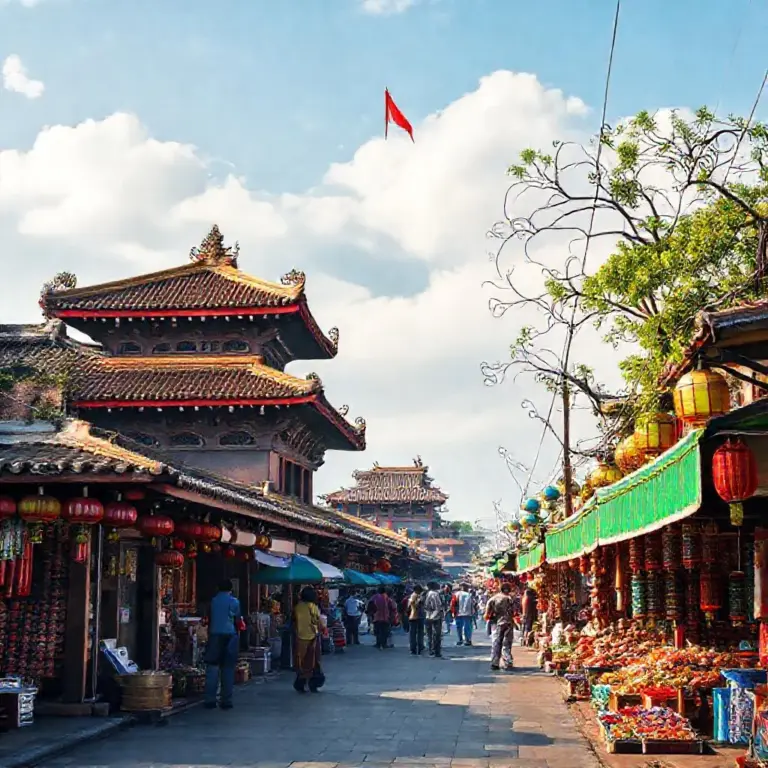
Markets are the pulse of Thai life. A guide transforms a chaotic shopping trip into a cultural immersion, explaining the etiquette, the regional specialties, and, most importantly, how to haggle respectfully.
Bangkok’s Floating Markets (Beyond Damnoen Saduak)
While famous, Damnoen Saduak is highly commercialized. Guides often suggest the quieter Taling Chan Floating Market (weekends only) or Khlong Lat Mayom. Here, you eat street food cooked directly on the boats.
| Market Stop | Expert Focus | Must-Try Dish |
|---|---|---|
| Taling Chan Market | Local, non-touristy fresh seafood BBQ | Pla Pao (Salt-Crusted Grilled Fish) |
| Or Tor Kor Market (Bangkok) | Premium, high-quality produce and snacks | Exotic fruits and premium Thai desserts |
| Warorot Market (Chiang Mai) | Northern Lanna ingredients and spices | Sai Oua (Northern Thai Sausage) |
Night Markets: Haggling and Hidden Eats
The night market experience is incomplete without guide intervention. They teach you the art of the friendly negotiation (aim for 20-30% off the initial price) and point out the stalls serving food that has passed rigorous local standards. This is where you truly sample **Highlights and hidden gems: top ancient temples, local workshops, and market stops explained by guides** in action.
Trustworthiness (Trust) in travel advice hinges on the guide’s local knowledge and credentials. Always verify if your guide is licensed, especially for specialized tours like trekking or historical site interpretation.
The Importance of Context
A good guide doesn’t just tell you *what* to see; they explain *why* it matters. For example, understanding the political significance of King Rama IX’s monuments or the specific regional dialect used in a local workshop adds layers of appreciation.
Geographic Hub Example: Krabi’s Limestone Secrets
If exploring the South, Krabi offers hidden sea cave temples like Tham Sua (Tiger Cave Temple), which requires significant climbing. Guides provide essential safety tips, water rationing advice, and historical context about the cave’s use by monks.
For those planning their route, understanding the key geographical areas helps in hiring the right specialist:
- **Central (Bangkok/Ayutthaya):** Focus on Royal History and Trade Routes.
- **North (Chiang Mai/Rai):** Focus on Lanna Culture and Hill Tribe Crafts.
- **South (Phuket/Krabi):** Focus on Maritime History and Natural Wonders.
Conclusion: Crafting Your Own Thai Narrative
The true magic of Thailand lies in the curated experience—the perfect blend of recognized landmarks and unexpected discoveries found through local expertise. By seeking out **Highlights and hidden gems: top ancient temples, local workshops, and market stops explained by guides**, you move from being a tourist to becoming a genuine cultural explorer. Embrace the stories, savor the flavors, and respect the traditions shared along the way.
คำถามที่พบบ่อย (FAQ)
References
Tourism Authority of Thailand Official Site
UNESCO World Heritage Centre – Ayutthaya
- Ayutthaya community cycling: ancient temples with a local guide — Ultimate day tour itinerary, tips, and cultural insights
- Why choose a community cycling tour in Ayutthaya? — benefits, search intent, and what to expect from a local guide
- Preparing for the ride: routes, bike types, safety, best seasons, and what to bring