How to Visit and Support Rescued Elephants Responsibly
Thailand is world-renowned for its majestic elephant population, but the way travelers interact with these gentle giants has undergone a significant shift. For decades, traditional trekking camps were the norm, but today, there is a growing, vital movement toward ethical tourism. If you are planning a trip to the Land of Smiles, knowing how to visit and support rescued elephants responsibly is essential for ensuring your vacation aligns with animal welfare standards. This guide will help you distinguish between true sanctuaries and exploitative operations, ensuring your presence helps, rather than hinders, these incredible animals.
Why Ethical Elephant Tourism Matters
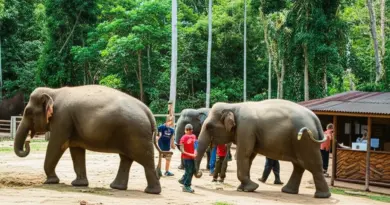
The demand for elephant rides and performances has historically driven a cycle of cruelty, often involving the harsh ‘phajaan’ (breaking of the spirit) process. When you choose to visit and support rescued elephants responsibly, you are actively voting against these practices with your wallet. Ethical sanctuaries operate on the principle of ‘observe only’ or ‘minimal interaction.’ These facilities prioritize the elephant’s natural behavior—foraging, socializing, and bathing—over human entertainment. By supporting these places, you fund the immense cost of caring for retired, rescued, or injured elephants, many of whom have spent their lives in logging or tourism industries.
How to Identify a Genuine Sanctuary
Not every place that calls itself a ‘sanctuary’ is truly ethical. Greenwashing is prevalent in the tourism industry. To ensure you are visiting a legitimate facility, look for these specific indicators:
- No Riding Policy: This is the most critical rule. Elephants are not biologically built to carry the weight of humans on their spines.
- Chain-Free Environment: Elephants should be free to roam within large, natural enclosures, not chained or tethered when not being monitored.
- No Shows or Tricks: If the elephants are performing, painting, or dancing, it is not a sanctuary.
- Educational Focus: Legitimate centers focus on teaching visitors about the history, biology, and conservation needs of the Asian elephant.
Recommended Ethical Locations in Thailand
Thailand hosts several globally recognized organizations that lead the way in welfare standards. When you decide to visit and support rescued elephants responsibly, consider these reputable options:
| Sanctuary Name | Location | Focus |
|---|---|---|
| Elephant Nature Park | Chiang Mai | Rescue and Rehabilitation |
| Burm and Emily’s Elephant Sanctuary (BEES) | Mae Chaem | Retirement and Natural Life |
| Wildlife Friends Foundation Thailand (WFFT) | Phetchaburi | Multi-species Rescue |
How to Support Without Visiting
If you cannot travel to Thailand or if your itinerary is full, you can still make a massive difference. The daily cost of feeding a single adult elephant is incredibly high. Most sanctuaries rely on donations to cover food, veterinary care, and land maintenance. You can sponsor an elephant, donate to general medical funds, or purchase merchandise from their online shops. These contributions ensure that rescued elephants can live out their lives in peace, away from the trauma of their pasts. By promoting these sanctuaries on social media, you also raise awareness, which is arguably the most valuable currency in modern conservation.
คำถามที่พบบ่อย (FAQ)
A: Most reputable sanctuaries now advise against bathing with elephants. It is often a stressful activity for the animals, forcing them into water on a schedule that suits the tourists rather than the elephants. Observing them bathing naturally from a distance is a much more ethical and respectful way to enjoy their presence.
A: Look for third-party certifications, transparent financial reporting, and clear ‘no-touch’ policies. If they offer ‘interaction’ packages like riding, bathing, or circus tricks, they are not an ethical sanctuary, regardless of what they name their business.
A: Bring comfortable walking shoes, biodegradable sunscreen, a hat, and a refillable water bottle. Dress modestly, as you are likely visiting rural areas. Most importantly, bring an open mind and a commitment to observing, not interfering.