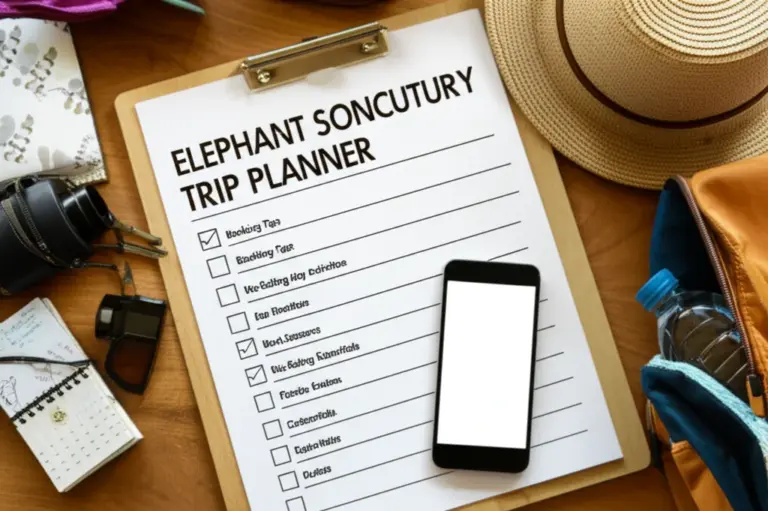
How to plan your visit: booking tips, best times to go, what to expect during a no‑riding sanctuary day, and packing checklist
- How to plan your visit: booking tips, best times to go, what to expect during a no‑riding sanctuary day, and packing checklist
- The Shift Towards Ethical Elephant Tourism in Thailand
- Step 1: Choosing and Booking Your Ethical Sanctuary
- Step 2: Preparing for Your Sanctuary Day & What to Expect
- Step 3: The Ultimate Thailand Sanctuary Packing Checklist
- Conclusion: Ethical Travel Leaves the Best Footprint
- คำถามที่พบบ่อย (FAQ)
- 1. How far in advance should I book an ethical elephant sanctuary in Thailand?
- 2. Are elephant sanctuaries in Thailand safe for tourists?
- 3. What is the difference between a sanctuary and an elephant park?
- 4. Can I bring my own snacks or food for the elephants?
- 5. What is the best type of shoe to wear for walking with elephants?
- References
Thailand has long been a magnet for travelers, but responsible tourism now demands a shift in how we interact with its iconic wildlife. Visiting an ethical, no-riding elephant sanctuary is one of the most rewarding experiences you can have, offering genuine connection without exploitation. Effective no-riding elephant sanctuary visit planning is crucial to ensure your funds support true conservation efforts and that your day is memorable for all the right reasons. This comprehensive guide covers everything from vetting providers to packing the perfect gear for your ethical encounter.
The Shift Towards Ethical Elephant Tourism in Thailand
For decades, the elephant tourism industry in Thailand operated under stressful conditions for these magnificent animals, often involving the cruel practice of ‘phajaan’ (crushing the spirit) and requiring riders. Today, a powerful movement champions sanctuaries where elephants roam freely, socialize naturally, and are treated with respect. When you choose a ‘no-riding’ facility, you are actively contributing to the rehabilitation and protection of these intelligent beings.
Step 1: Choosing and Booking Your Ethical Sanctuary
The most critical part of your preparation involves selecting a provider that genuinely adheres to high welfare standards. Not all sanctuaries are created equal; some may use superficial labels while still engaging in problematic practices.
Vetting for True Ethics
Red Flags to Watch Out For:
If a sanctuary allows riding, uses bullhooks (ankus) for control, forces elephants into unnatural performances, or allows bathing where tourists dominate the elephant, it is not truly ethical.
Look for sanctuaries that focus on observation, feeding, and walking alongside the elephants in their natural environment. Organizations accredited by reputable international bodies or those transparently detailing their elephant rescue stories usually offer the best experiences. Always check recent visitor reviews focusing specifically on animal welfare.
Best Times to Book and Visit
When planning your trip, timing can affect both the weather and the crowds. The best time to visit most regions of Thailand, including the elephant hubs like Chiang Mai and Phuket, is during the cool, dry season, running from November to February. Temperatures are comfortable, and humidity is low.
- High Season (Nov-Feb): Perfect weather, but sanctuaries book out months in advance. Book early!
- Shoulder Season (Mar-May & Sep-Oct): Hotter/wetter, but fewer tourists and potentially better availability. Elephants often enjoy the rain!
- Low Season (Jun-Aug): Monsoon season; expect heavy downpours, but green landscapes are beautiful.
Booking should be done at least 4-8 weeks ahead for popular weekend slots, especially during peak season. Direct booking via the sanctuary’s official website is often preferred over third-party agents to ensure transparency regarding fees and operations.
Step 2: Preparing for Your Sanctuary Day & What to Expect
Once booked, the anticipation builds. Understanding the itinerary for your no-riding elephant sanctuary visit planning means knowing that the day revolves entirely around the elephants’ well-being, not human schedules.
A Typical Day at a No-Riding Sanctuary
Most sanctuary visits are full-day experiences, typically running from 8:00 AM to 4:00 PM. Expect a structured, yet flexible, schedule:
- Arrival & Orientation: You will receive a mandatory briefing on the sanctuary’s rules, conservation mission, and elephant behavior.
- Feeding Time: Prepare fruits and vegetables to feed the elephants under staff supervision. This is often the first close interaction.
- Jungle Walk: Accompany the herd as they roam their enclosure or venture into the surrounding jungle. This allows for natural observation.
- Mud Bath/Water Play: If permitted by the elephants, you may join them for a refreshing mud bath or a dip in a river or pool. The elephants benefit greatly from the mud protection.
- Lunch Break: Usually a simple, vegetarian Thai meal provided for visitors.
- Departure: Time to say goodbye, often leaving the elephants to enjoy their evening peace.
Essential Dos and Don’ts for Interaction
Respect is paramount. Your guides are experts in elephant communication. Always defer to their instructions regarding proximity and touch.
| DO | DON’T |
|---|---|
| Approach slowly and speak softly. | Try to touch an elephant without permission. |
| Use biodegradable sunscreen/insect repellent. | Use flash photography near the animals. |
| Keep a safe, respectful distance when they are eating. | Offer food items not provided by the sanctuary staff. |
Step 3: The Ultimate Thailand Sanctuary Packing Checklist
Packing appropriately ensures your comfort and safety, and respects the environment. Since you will likely get muddy, wet, and possibly dusty, focus on quick-drying, durable items.
Clothing Essentials
Remember that temples and some sanctuary entrances require shoulders and knees to be covered, even if you plan on changing later. Lightweight, breathable fabrics are your best friend.
- Quick-Dry Clothing: Two sets of comfortable, durable clothes (synthetic or merino wool are ideal). Avoid heavy cotton.
- Swimsuit: Wear this underneath your clothes if you plan on bathing/mud wallowing.
- Cover-up: A sarong or light, long-sleeved shirt for modesty during transport or lunch.
- Hat: Wide-brimmed for sun protection.
Health, Safety, and Gear
This gear ensures you can fully enjoy the day without worry.
- Footwear: Sturdy, closed-toe shoes that you don’t mind getting completely ruined (e.g., old sneakers or hiking sandals like Tevas/Chacos). Flip-flops are generally unsafe for jungle walks.
- Water Bottle: Reusable bottle. Many sanctuaries encourage minimizing plastic waste.
- Sun Protection: High SPF, reef-safe/biodegradable sunscreen.
- Insect Repellent: Essential, especially during dawn/dusk or in humid areas.
- Camera Protection: Waterproof bag or dry bag for electronics.
Experience the Day Before You Go!
See what a responsible interaction looks like:
Conclusion: Ethical Travel Leaves the Best Footprint
By dedicating time to careful no-riding elephant sanctuary visit planning, you guarantee an enriching, guilt-free experience. Thailand offers incredible opportunities to witness wildlife thriving in protected environments. Respect the rules, embrace the mud, and cherish the moments you spend connecting respectfully with these gentle giants. Your informed choices make a tangible difference in preserving Thailand’s natural heritage for future generations.
คำถามที่พบบ่อย (FAQ)
1. How far in advance should I book an ethical elephant sanctuary in Thailand?
For popular sanctuaries, especially those near Chiang Mai, it is highly recommended to book at least 4 to 8 weeks in advance, particularly if you are traveling during the peak tourist season (November to February).
2. Are elephant sanctuaries in Thailand safe for tourists?
Yes, ethical, no-riding sanctuaries are generally very safe. Staff are highly trained professionals who prioritize visitor safety while ensuring elephants are not stressed. Always follow their instructions regarding distance and handling of food.
3. What is the difference between a sanctuary and an elephant park?
A true sanctuary focuses solely on rescue, rehabilitation, and providing a natural habitat, strictly prohibiting riding or forced performances. An ‘elephant park’ may offer these activities, making the term often synonymous with commercial riding camps unless explicitly advertised as ‘no-riding/ethical’.
4. Can I bring my own snacks or food for the elephants?
No. You should never offer food to the elephants that has not been explicitly provided or approved by the sanctuary staff. Certain foods can harm their digestive systems, and staff manage feeding schedules carefully.
5. What is the best type of shoe to wear for walking with elephants?
The best footwear is sturdy, closed-toe shoes, such as old hiking boots or durable trekking sandals, as you may encounter slippery mud, uneven terrain, and water during walks and bathing sessions.
References
- World Animal Protection: Guidelines for Responsible Elephant Tourism
- Tourism Authority of Thailand Official Website
- Visit Ethical Elephant Sanctuaries in Chiang Mai (No Riding): Responsible Wildlife Experiences and How to Choose the Best One
- Why choose no-riding elephant sanctuaries in Chiang Mai? Understanding ethical tourism, welfare standards, and what “no riding” truly means
- Top ethical elephant sanctuaries near Chiang Mai (no riding): profiles, offerings, pricing, and how they prioritize elephant well‑being