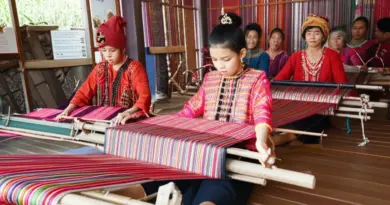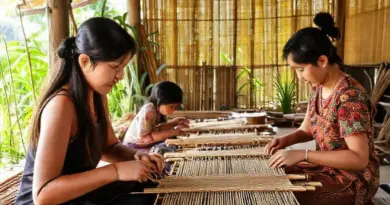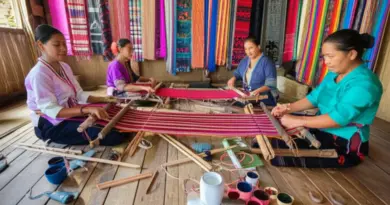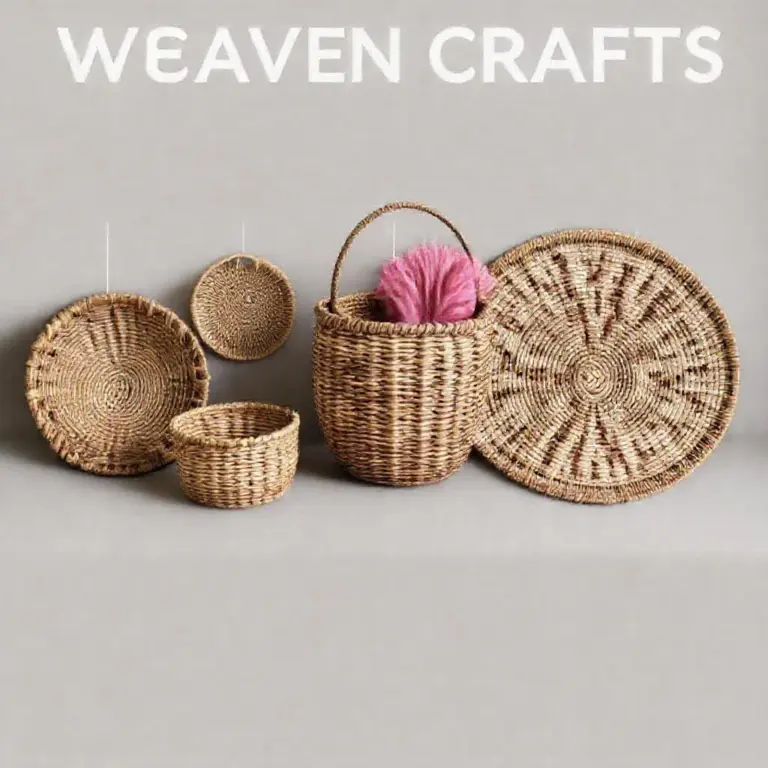
Step-by-step overview of common projects and techniques taught: simple baskets, mats, decorative souvenirs, required materials, and skill progression
- Step-by-step overview of common projects and techniques taught: simple baskets, mats, decorative souvenirs, required materials, and skill progression
Welcome to the vibrant world of Thai handicraft! For tourists visiting the Kingdom, engaging with local crafts offers a profound connection to the culture, far beyond just purchasing souvenirs. This comprehensive guide provides a step-by-step overview of common projects and techniques taught, focusing on essential items like simple baskets, functional mats, and intricate decorative souvenirs. Understanding the required materials and the natural skill progression will enhance your appreciation for the artistry involved.
Cultural Context
Thai handicrafts are deeply rooted in local traditions, often utilizing sustainable materials sourced directly from nature. Learning these skills connects you to generations of artisans across provinces like Chiang Mai, Nan, and Isaan.
The Foundation: Essential Materials for Thai Weaving
Before diving into any project, mastering the materials is crucial. The initial phase of any craft workshop in Thailand focuses heavily on sourcing, preparing, and treating the natural fibers. The materials dictate the final look, texture, and durability of the piece.
Key Natural Fibers Used:
- Bamboo (Mai Phai): The most versatile material, used for everything from sturdy utility baskets to delicate decorative screens. It must be split, dried, and sometimes soaked to achieve the right pliability.
- Rattan (Wuk): Stronger and thicker than bamboo, often used for furniture frames or robust basket bases.
- Sedge Grass (Yaek): Excellent for floor mats and wider items due to its long, flexible stalks. It is often dyed vibrant colors.
- Palm Leaves (Bai Tong/Bai Taak): Commonly used for temporary items, hats, or intricate folding souvenirs where a fine, textured weave is required.
Required Tools and Preparation:
Tools are generally simple but require precision. A basic kit will include sharp splitting knives, awls (for piercing holes), and natural dyes (often derived from bark or indigo).
Skill Progression I: Simple Baskets and Utility Items
The journey into Thai weaving mastery begins with fundamental structural techniques. These early projects are designed to build muscle memory and understand tension control. The step-by-step overview of common projects and techniques taught always starts here.
Project 1: The Basic Round Basket (Kratib)
- Base Construction: Learning the ‘star’ base or ‘plait’ base, ensuring all spokes radiate evenly.
- Wall Raising: Transitioning from the flat base to the vertical wall, maintaining consistent tension.
- Weaving Pattern: Practicing the simple ‘over-one, under-one’ weave (plain weave).
- Rim Finishing: Creating a durable, smooth edge, often involving tucking or braiding the ends.
Project 2: Simple Rectangular Mats (Kratong)
Mats introduce the concept of working with broader, flatter materials. This requires careful management of the weft (horizontal) threads to prevent bunching or slackness, which is vital for a smooth surface.
Video Tutorial: Mastering the Thai Weaving Basics
Watching an artisan work is invaluable. This embedded resource demonstrates the foundational movements taught in introductory Thai craft classes.
Skill Progression II: Decorative Souvenirs and Intermediate Techniques
Once the structural integrity of basic forms is mastered, artisans move toward aesthetics and complexity. This stage involves introducing color, texture variation, and more complex weaving patterns suitable for decorative souvenirs.
Techniques Introduced:
- Checkerboard Weave: Using two colors or materials to create a distinct checked pattern on the surface.
- Twining: A technique where two weft strands twist around the warp strands, creating a denser, more textured fabric, often used for small bags or containers.
- Coiling and Stitching: Essential for creating three-dimensional, rounded shapes without traditional warp/weft structures.
Project 3: Animal Figurines or Small Containers
Souvenirs often mimic local fauna or traditional shapes. Creating a small woven elephant or a lotus-shaped trinket box demands precise shaping and complex finishing techniques. The required materials here often include finer, pre-dyed strands to achieve detail.
| Project Level | Primary Skill Focus | Material Focus |
|---|---|---|
| Beginner | Tension Control, Plain Weave | Thick Bamboo Strips |
| Intermediate | Pattern Introduction, Shaping | Dyed Sedge Grass, Rattan |
| Advanced | Intricate Coiling, Detailing | Fine Palm Leaf, Mixed Fibers |
Mastering the Craft: Advanced Finishing and Preservation
True mastery in Thai handicraft isn’t just about weaving; it’s about longevity. The final stage involves treating the finished piece to withstand humidity and handling. Artisans learn varnishing techniques or natural oil treatments to protect their work.
For tourists interested in immersive learning, look for workshops in areas renowned for specific crafts. For example, many excellent bamboo weaving classes are held near Chiang Mai, offering a genuine step-by-step overview of common projects and techniques taught directly by local experts. Always support ethical tourism by purchasing directly from the artisan or certified cooperatives.
คำถามที่พบบ่อย (FAQ)
How long does it take to learn how to weave a simple Thai basket?
With dedicated instruction, most beginners can complete a small, functional simple basket within a 3 to 4-hour workshop session, focusing primarily on basic tension and the over-under technique.
Are the materials used for Thai souvenirs sustainable?
Yes, traditionally the materials—bamboo, rattan, and natural grasses—are highly sustainable as they grow quickly and are harvested using traditional, non-destructive methods.
What is the most challenging aspect of making decorative souvenirs?
The most challenging aspect is achieving perfect symmetry and fine detail, especially when using coiling or specialized knotting techniques required for complex decorative souvenirs.
References
- Bamboo weaving course in Chiang Rai: Craft your own handmade souvenirs — complete guide for beginners and travelers
- Why choose a bamboo weaving class in Chiang Rai: benefits, what to expect, and how it fits into local culture and sustainable tourism
- How to pick the right workshop: class levels, duration, pricing, location (Chiang Rai city vs. surrounding villages), and instructor credentials