Bamboo weaving course in Chiang Rai: Craft your own handmade souvenirs — complete guide for beginners and travelers
- Bamboo weaving course in Chiang Rai: Craft your own handmade souvenirs — complete guide for beginners and travelers
- Why Choose Chiang Rai for Bamboo Crafting?
- Getting Started: What to Expect in Your First Weaving Class
- Finding the Best Bamboo Weaving Course in Chiang Rai
- The Art of Sustainable Crafting
- Beyond Bamboo: Exploring Chiang Rai’s Artisan Scene
- Essential Traveler Tips for Your Workshop Visit
- คำถามที่พบบ่อย (FAQ)
- How long does a typical beginner bamboo weaving course last?
- Do I need to bring my own tools or bamboo?
- Is bamboo weaving difficult for older travelers?
- Can I buy finished bamboo products directly from the course location?
Welcome to the heart of Northern Thailand! If you are looking for an authentic, hands-on experience far beyond the usual tourist trails, taking a Bamboo weaving course in Chiang Rai is an absolute must. This guide provides everything a beginner or traveler needs to know to immerse themselves in this ancient, sustainable craft and leave with a unique, handmade souvenir.
Why Choose Chiang Rai for Bamboo Crafting?
Chiang Rai, known for its stunning temples and proximity to hill tribe communities, is a treasure trove of traditional Thai artistry. Bamboo, readily available in the lush surrounding mountains, has been a fundamental material for centuries—used for everything from housing structures and fishing traps to intricate household goods. Participating in a Bamboo weaving course in Chiang Rai connects you directly to this heritage, offering insight into sustainable living practices embraced by local artisans.
The Appeal of Handmade Souvenirs
In an age of mass production, a handmade souvenir carries incomparable value. When you weave your own basket, placemat, or decorative item, you are not just buying a product; you are acquiring a memory. These workshops emphasize slow, mindful creation, providing a perfect digital detox for busy travelers. Furthermore, supporting these courses directly benefits local Chiang Rai families and helps preserve traditional Lanna craftsmanship.
Getting Started: What to Expect in Your First Weaving Class
Don’t worry if you’ve never worked with natural fibers before. The beauty of these introductory courses is that they are specifically designed for beginners. An experienced teacher will guide you through every step, often starting with the simplest techniques.
Preparation and Materials
Most reputable workshops provide everything you need. Here is a general overview of the materials you will encounter:
- Bamboo Selection: Learning to choose the right stalks—mature yet flexible.
- Splitting and Preparation: The crucial process of splitting the bamboo into thin, pliable strips (splints).
- Soaking: Techniques used to make the strips soft enough to bend without breaking.
Fundamental Weaving Techniques
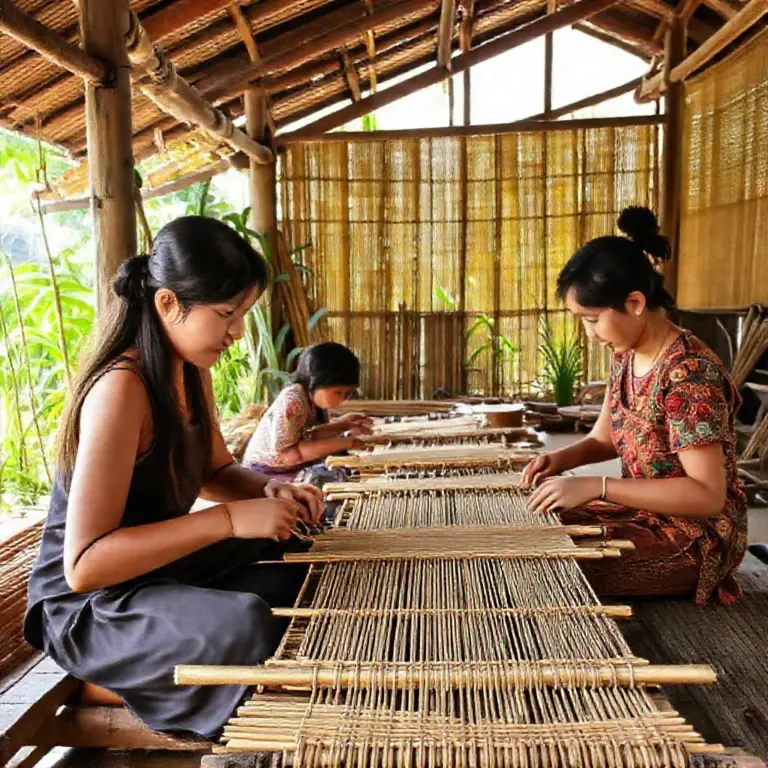
The initial focus is mastering the basic weave. You will learn to create tension and pattern consistency. Common beginner projects include simple mats or small, square containers.
Pro Tip for Beginners!
Bamboo can be unforgiving when dry. Listen closely to your instructor regarding soaking times—damp bamboo is happy bamboo!
Finding the Best Bamboo Weaving Course in Chiang Rai
While many local markets display bamboo goods, finding a dedicated, structured course requires looking in the right places. Often, the best workshops are located slightly outside the main city center, closer to the villages where the artisans reside. We recommend looking for courses affiliated with local community tourism initiatives.
Popular Workshop Locations and Styles
The style of weaving can differ based on the ethnic group hosting the workshop (e.g., Lahu, Akha influences). Here are a few renowned areas to investigate:
- Chiang Rai City Fringe Workshops: Convenient for travelers staying centrally. These often focus on quick, souvenir-sized projects (e.g., coasters, small bowls).
- Doi Mae Salong Area: While famous for tea, surrounding villages offer deeper cultural immersion, often featuring more complex, traditional weaving patterns.
- Local Community Homestays: The most authentic option. Booking a homestay package often includes a multi-day weaving curriculum.
Booking Your Experience
To ensure a quality experience, always book in advance. Check reviews focusing on instructor patience and material quality. While many tours can be booked through local travel agents in Chiang Rai, booking directly with the artisan cooperative, if possible, maximizes the benefit to the community.
The Art of Sustainable Crafting
Bamboo is one of the most eco-friendly materials on the planet, growing rapidly and requiring minimal resources. A key takeaway from any good Bamboo weaving course in Chiang Rai is understanding this sustainability. Thai artisans treat the material with immense respect, ensuring that only mature, properly harvested bamboo is used, minimizing environmental impact.
For context on the beauty of Northern Thai crafts, here is a short video showcasing the dedication involved in traditional Thai artisanship:
Watching a master at work highlights the patience required. The steady rhythm you learn in your course is the same rhythm that has sustained these communities for generations.
Beyond Bamboo: Exploring Chiang Rai’s Artisan Scene
Your trip to Chiang Rai doesn’t have to end with bamboo. The region is rich in other crafts. Consider pairing your weaving course with explorations of:
- Celadon Pottery: Discovering the unique jade-green glazes famous in this region.
- Silver Jewelry Making: Learning techniques passed down from the various hill tribes.
- Tea Plantation Tours: Complementing the natural environment where the bamboo grows.
To help you locate the general area where these artisan workshops thrive, here is a general point of reference:
Essential Traveler Tips for Your Workshop Visit
To maximize your enjoyment and cultural exchange, keep these practical tips in mind:
| Tip Category | Advice for Travelers |
|---|---|
| Language | Learn a few basic Thai phrases. While instructors often speak English, effort is appreciated. |
| Attire | Wear comfortable, modest clothing, especially if visiting workshops near temples or conservative villages. |
| Duration | Allow ample time. Rushing the weaving process leads to frustration. A half-day minimum is recommended. |
| Transport | Arrange transport beforehand. Many artisan centers are not easily accessible by public bus. |
Ultimately, enrolling in a Bamboo weaving course in Chiang Rai is more than just a crafting session; it’s an act of cultural preservation and mindful travel. You will return home not just with a beautiful, self-made souvenir, but with a deeper appreciation for Northern Thai ingenuity.
คำถามที่พบบ่อย (FAQ)
References
Official Tourism Authority of Thailand Website
Chiang Rai Provincial Administration Organization Information
- Why choose a bamboo weaving class in Chiang Rai: benefits, what to expect, and how it fits into local culture and sustainable tourism
- How to pick the right workshop: class levels, duration, pricing, location (Chiang Rai city vs. surrounding villages), and instructor credentials
- Step-by-step overview of common projects and techniques taught: simple baskets, mats, decorative souvenirs, required materials, and skill progression