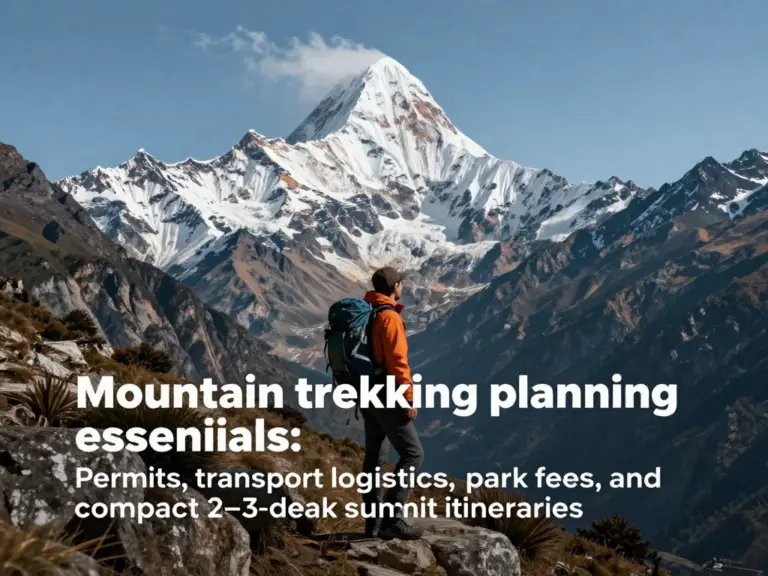
How to Plan Your Trek — Permits, Transport, Park Fees, and Ideal 2–3 Day Itineraries to Reach the Summit
- How to Plan Your Trek — Permits, Transport, Park Fees, and Ideal 2–3 Day Itineraries to Reach the Summit
Embarking on a journey through the misty peaks of Northern Thailand is a dream for many outdoor enthusiasts. However, to successfully plan your trek, one must navigate a landscape of logistics ranging from seasonal permits to complex transport arrangements. Whether you are eyeing the rugged ridges of Doi Luang Chiang Dao or the lush trails of Khao Yai, preparation is the foundation of a safe and memorable summit experience.
Essential Permits and Regulations to Plan Your Trek
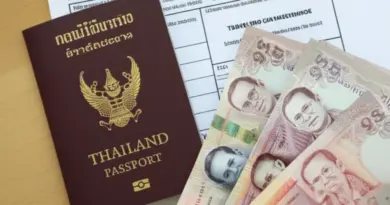
When you begin to plan your trek in Thailand, the first hurdle is often administrative. Most high-altitude summits are located within National Parks, which require specific entry permits. For popular destinations like Doi Luang Chiang Dao, permits are strictly limited and often require booking months in advance through the Department of National Parks (DNP) online portal or authorized local agencies. You will typically need to provide passport copies and proof of a local guide, as solo trekking is prohibited in most protected areas for safety and conservation reasons.
Understanding Park Fees and Budgeting
Budgeting is a critical part of the planning process. Thailand’s National Parks operate on a dual-pricing system. While fees are subject to change, having a clear breakdown of expected costs ensures no surprises at the trailhead.
| Expense Category | Estimated Cost (Foreigner) | Notes |
|---|---|---|
| Park Entry Fee | 200 – 400 THB | Per person, valid for 1-3 days |
| Camping Fee | 30 THB | Per night if using own tent |
| Local Guide | 1,500 – 2,500 THB | Mandatory for most summit treks |
| Porter Service | 500 – 800 THB/Day | Optional, carries up to 20kg |
Transport and Logistics: Reaching the Trailhead
Transportation in Thailand varies significantly by region. In the north, Chiang Mai serves as the primary hub. To reach remote trailheads, you can utilize ‘Songthaews’ (red trucks), which can be hired privately for a fixed fee. Alternatively, renting a motorbike is popular, but ensure you have an international driving permit and experience with steep, winding mountain roads. For those heading to the deep south or central parks, public buses and trains provide affordable links to the nearest towns, where local pickups can be arranged.
Ideal 2–3 Day Itinerary: The Doi Luang Chiang Dao Example
To truly experience the majesty of the Thai highlands, a multi-day itinerary is recommended. Here is a classic 3-day plan to reach one of Thailand’s most iconic summits:
- Day 1: Arrival and Base Camp – Depart from Chiang Mai, register at the park office, and trek 4-6 hours to the Ang Salung campsite.
- Day 2: The Summit and Exploration – Wake up early for the sunrise at the summit (2,225m). Spend the day exploring nearby ridges or birdwatching. Return to the summit for a spectacular sunset.
- Day 3: Descent and Departure – A 3-4 hour descent via a different trail (if available) to experience diverse flora, followed by transport back to the city.
Preparation and Safety Checklist
Safety should never be an afterthought. High-altitude trekking in Thailand can involve rapid weather changes and steep terrain. Ensure your pack includes:
- Water Purification: Natural water sources can be scarce on ridges.
- Thermal Layers: Temperatures can drop to near freezing at night in the mountains.
- First Aid: Include blister care and electrolyte salts.
- Offline Maps: Use apps like AllTrails or Gaia GPS, but always carry a physical backup if possible.
คำถามที่พบบ่อย (FAQ)
References
- Department of National Parks, Wildlife and Plant Conservation (DNP)
- Tourism Authority of Thailand (TAT)
- Thai National Parks Guide
- Phu Kradueng Summit Trek: Complete Logistics, Best Seasons, and Practical Camping Tips for a Safe Hike
- Best Times to Visit Phu Kradueng — Seasonal Weather, Crowds, and When Trails Are Most Accessible
- Camping Logistics on the Plateau — Campsite Options, What to Pack, Food & Water Strategies, and Overnight Safety