What types of tents and equipment are available in Thai national parks and how to choose the right gear for your trip
Exploring the lush jungles and misty mountains of Southeast Asia is a dream for many, and understanding the tents and equipment in Thai national parks is the first step toward a successful adventure. Thailand’s Department of National Parks, Wildlife and Plant Conservation (DNP) offers an extensive network of campsites that cater to both seasoned trekkers and casual tourists. Whether you are looking to wake up to the sunrise over the Mekong or fall asleep to the sounds of the rainforest in Khao Sok, knowing what to expect in terms of gear can make or break your experience.
Understanding Rental Tents and Equipment in Thai National Parks
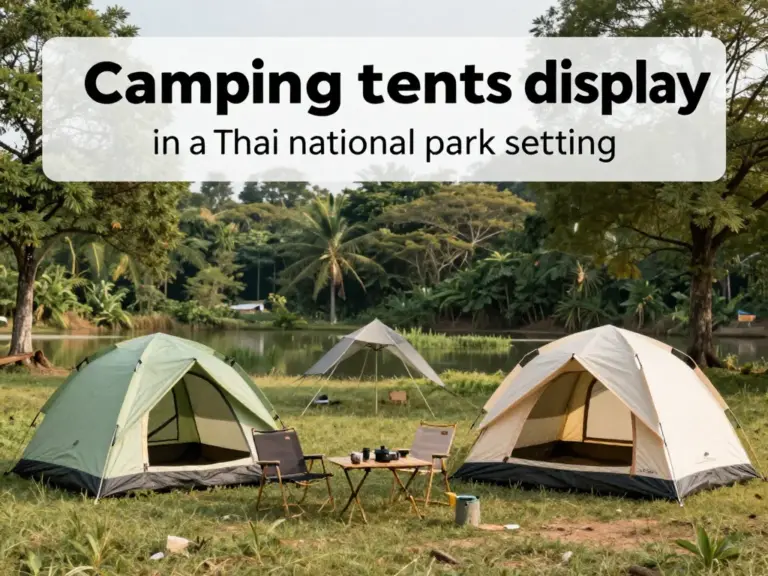
When you arrive at a designated campsite within a Thai national park, you will typically find a rental office managed by park rangers. The most common tents and equipment in Thai national parks include standardized dome-style tents. These are usually categorized by size: 2-person, 3-person, and occasionally large family tents. The quality is generally robust, designed to withstand tropical humidity and occasional rain showers.
Beyond the tent itself, you can rent a variety of accessories. A standard rental kit often includes a thin sleeping mat (silver foil or foam), a sleeping bag, and a small pillow. In some of the more popular parks like Khao Yai or Doi Inthanon, you might even find chairs, tables, and charcoal grills for rent. However, it is important to note that ‘comfort’ levels vary; the mats provided are often quite thin, so side-sleepers might want to consider bringing an extra inflatable pad.
Essential Gear List for Your Trip
If you decide to bring your own gear rather than relying on the tents and equipment in Thai national parks, your choices should be dictated by Thailand’s unique climate. The ‘Land of Smiles’ is notoriously hot and humid, but mountain nights in the North can drop to near-freezing temperatures between November and February.
| Item | Recommended Specification | Why You Need It |
|---|---|---|
| Tent | Double-layer with Mesh | Airflow is critical to prevent condensation in the tropics. |
| Sleeping Bag | 15°C to 20°C Rating | Lightweight is best for most areas; warmer for the North. |
| Lighting | Headlamp + Lantern | Campsites can be very dark; hands-free light is essential. |
| Power Bank | 20,000mAh+ | Charging stations are limited at many remote campsites. |
How to Choose the Right Gear for Your Trip
Choosing the right gear involves balancing weight, weather protection, and comfort. For those planning a multi-day trek in the northern highlands, lightweight, packable gear is a priority. Conversely, if you are car-camping at a seaside park like Khao Sam Roi Yot, you can afford to bring heavier, more comfortable items.
Always check the season. During the monsoon (June-October), a high-quality rainfly and a footprint (ground cloth) are non-negotiable. Without these, the heavy tropical downpours will quickly seep through the floor of your tent. During the cool season, focus on layering; a light down jacket and a thermal base layer are vital for high-altitude spots like Phu Kradueng.
Top Tips for Camping in Thailand
- Store food securely to avoid attracting macaques or wild boars.
- Carry a portable fan; even at night, the humidity can be stifling.
- Respect the 10:00 PM quiet hours enforced by rangers.
- Use biodegradable soap to protect the local water sources.
คำถามที่พบบ่อย (FAQ)
Q: Can I rent a tent at any national park in Thailand?
A: Most major national parks with designated camping areas offer rental services. However, smaller or more remote parks may have limited stock, so it is best to check the DNP website beforehand.
Q: Is it safe to camp in Thai national parks?
A: Yes, it is generally very safe. Campsites are patrolled by rangers. The biggest ‘threats’ are usually cheeky monkeys looking for food, so keep your tent zipped and food hidden.
Q: How much does it cost to rent gear?
A: Prices are very affordable. A 2-3 person tent usually costs between 225-300 THB per night, while sleeping kits (mat, pillow, bag) cost about 60-100 THB per person.
References
Department of National Parks, Wildlife and Plant Conservation (Official Site)
Tourism Authority of Thailand (TAT)
- How to Reserve National Park Tents and Gear in Thailand: A Complete Step-by-Step Guide for Visitors
- How to check availability, park rules, and the online/onsite reservation systems for Thailand’s national parks
- Step-by-step reservation process: booking platforms, required documents, payment methods, and tips to secure popular campsites