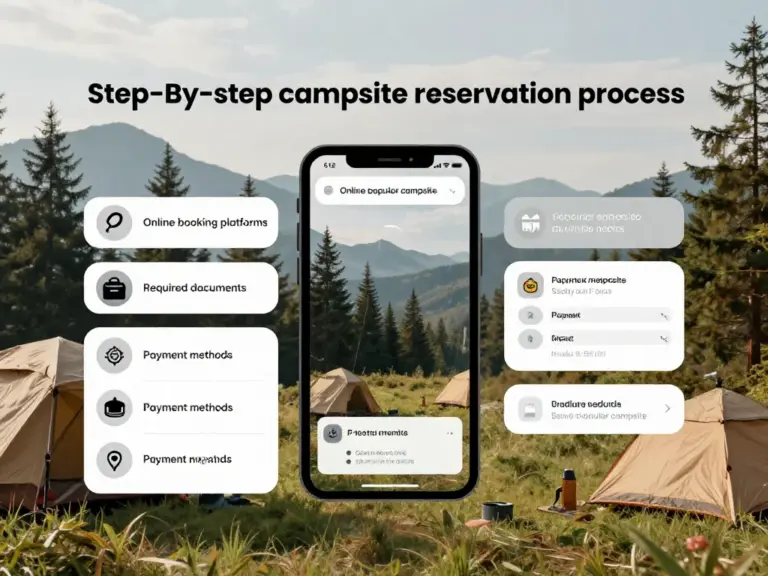
Step-by-step reservation process: booking platforms, required documents, payment methods, and tips to secure popular campsites
Embarking on a camping journey through Thailand’s lush national parks and scenic landscapes offers an unparalleled connection with nature. However, the key to a stress-free adventure lies in understanding the step-by-step reservation process. From the misty peaks of Khao Kho to the pristine shores of Mu Ko Similan, securing your spot requires early planning and knowledge of local booking systems. This guide provides a comprehensive walkthrough to ensure you don’t miss out on Thailand’s most sought-after campsites.
Understanding the Booking Platforms
The primary platform for booking campsites in Thailand’s National Parks is the Department of National Parks, Wildlife and Plant Conservation (DNP) official website. While some private campsites use social media or dedicated apps, the DNP portal remains the most critical tool for travelers. It is available in both Thai and English, though some deeper navigation may require a translation tool. For private sites, platforms like Agoda or direct Facebook bookings are common.
The Step-by-Step Reservation Process
To successfully navigate the step-by-step reservation process, follow these essential stages:
- Account Creation: Visit the DNP website and register an account. You will need a valid email address and personal details.
- Select Destination: Choose the specific National Park and the ‘Zone’ or campsite area you prefer.
- Check Availability: Use the calendar tool to check for open dates. Note that weekends are significantly busier than weekdays.
- Enter Camper Details: Input the number of visitors and whether you require equipment rentals (tents, sleeping bags, etc.).
- Confirmation: Review your booking summary before proceeding to the payment gateway.
Required Documents and Information
When using the online portal or checking in at the ranger station, you must have specific documentation ready. For international tourists, a Passport is mandatory. For residents, a Thai ID card or Work Permit may be used. It is highly recommended to keep a digital copy and a printed version of your Booking Confirmation Voucher. Some parks may also request proof of vaccination or specific health declarations depending on current local regulations.
Payment Methods and Fees
Payment for National Park campsites is typically handled via bank transfer or at Krungthai Bank counters. Recently, more digital payment options including QR codes (PromptPay) and credit cards have been integrated into the DNP system. Fees are generally divided into two parts: the park entry fee (paid at the gate) and the camping spot fee (paid during reservation).
| Fee Type | Estimated Cost (THB) | Payment Timing |
|---|---|---|
| Park Entry (Foreigner) | 200 – 500 | At Entrance |
| Camping Spot (per night) | 30 – 100 | During Booking |
| Tent Rental | 250 – 500 | Online or On-site |
Tips to Secure Popular Campsites
Securing a spot at a high-demand location requires strategy. First, ensure your internet connection is stable at the moment the 60-day window opens (usually at midnight Thai time). Second, consider visiting during the “shoulder season” (late February or early October) to avoid the peak crowds while still enjoying manageable weather. Lastly, always check the ‘News’ section of the DNP website for temporary closures due to forest recovery or weather conditions.
คำถามที่พบบ่อย (FAQ)
Q: Can I walk in without a reservation?
A: While some parks allow walk-ins, popular parks like Erawan or Khao Yai often reach capacity. It is always safer to use the online reservation process.
Q: What happens if I don’t pay within the time limit?
A: Most online bookings require payment within 48 hours. If unpaid, the system automatically cancels the reservation and releases the spot back to the public.
Q: Do I need to bring my own tent?
A: No, most major national parks offer tent and bedding rentals, though bringing your own gear ensures better comfort and quality.
References
- Department of National Parks, Wildlife and Plant Conservation (DNP) Official Portal
- Tourism Authority of Thailand (TAT) Newsroom
- How to Reserve National Park Tents and Gear in Thailand: A Complete Step-by-Step Guide for Visitors
- What types of tents and equipment are available in Thai national parks and how to choose the right gear for your trip
- How to check availability, park rules, and the online/onsite reservation systems for Thailand’s national parks