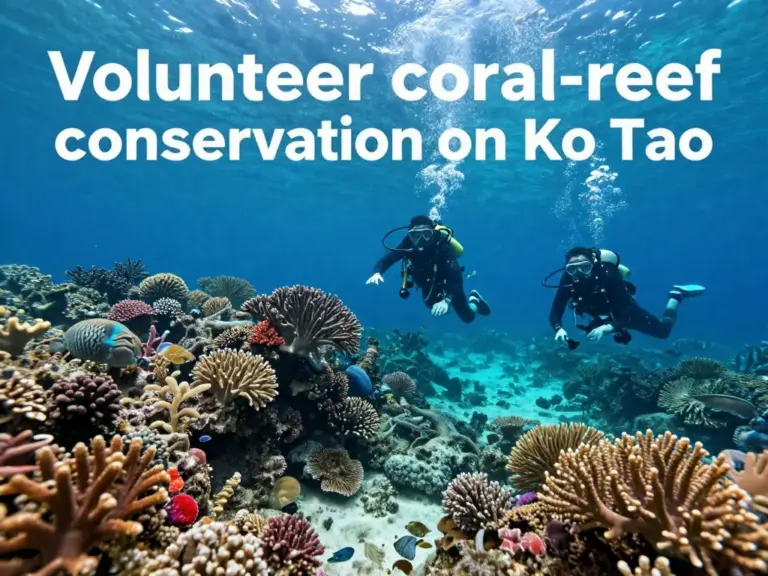
Why volunteer on Ko Tao? Understanding goals, conservation outcomes, and what reef-safe practices mean for coral health
- Why volunteer on Ko Tao? Understanding goals, conservation outcomes, and what reef-safe practices mean for coral health
Ko Tao, often referred to as the ‘Pearl of the Gulf,’ is world-renowned for its vibrant marine life and crystal-clear waters. However, beyond the postcard-perfect scenery lies a fragile ecosystem that requires active protection. To volunteer on Ko Tao is to step beyond the role of a typical tourist and become a guardian of the ocean. This article explores the core motivations for volunteering, the tangible conservation outcomes achieved by dedicated teams, and the critical role of reef-safe practices in ensuring the longevity of our coral reefs.
The Core Goals of Marine Conservation on Ko Tao
The primary objective of any marine volunteer program on the island is the restoration and maintenance of biodiversity. Ko Tao faces significant pressure from climate change, rising sea temperatures, and heavy tourism. Conservation goals are typically divided into three pillars: monitoring, restoration, and education. By participating, volunteers help collect vital data on fish populations and coral coverage, which informs local government policies and international research.
Tangible Conservation Outcomes: From Nurseries to Healthier Reefs
When you choose to volunteer on Ko Tao, you see the results of your labor firsthand. Artificial reef structures, such as ‘Junkyard Reef’ or ‘Buoyancy World,’ serve as successful case studies. These sites alleviate pressure from natural reefs by providing alternative diving spots and new substrates for coral larvae to attach to. Over the years, these man-made structures have transformed into thriving ecosystems, hosting schools of batfish, juvenile turtles, and a diverse array of macro-life.
| Conservation Activity | Intended Outcome | Impact Level |
|---|---|---|
| Coral Gardening | Increased coral biomass | High |
| Mooring Buoy Maintenance | Prevention of anchor damage | Critical |
| Marine Debris Collection | Reduced plastic pollution | Moderate |
Understanding Reef-Safe Practices for Coral Health
One of the most immediate ways a volunteer—or any visitor—can help is by adopting reef-safe practices. But what does this actually mean? It starts with the chemical composition of our skincare. Common sunscreen ingredients like oxybenzone and octinoxate are toxic to coral, causing bleaching even at low concentrations. Furthermore, ‘reef-safe’ also refers to physical behavior: maintaining perfect buoyancy to avoid touching the reef and refusing to feed fish, which disrupts the natural food chain and allows algae to overgrow the coral.
The Science of Coral Resilience
Coral health is the ultimate indicator of ocean wellness. When we practice reef-safe habits, we reduce the ‘stress load’ on the polyps. This allows the coral to focus its energy on growth and reproduction rather than fighting off chemical toxins or physical wounds. Healthy corals act as natural barriers against coastal erosion and provide the essential foundation for the entire marine ecosystem of Ko Tao.
Conclusion: Why Your Contribution Matters
The decision to volunteer on Ko Tao is a commitment to the future of our oceans. By understanding the goals of conservation and implementing reef-safe practices, you contribute to a legacy of environmental stewardship. Whether you are underwater transplanting coral or on land educating fellow travelers, your efforts ensure that Ko Tao remains a vibrant paradise for generations to come.
คำถามที่พบบ่อย (FAQ)
What is the best time of year to volunteer on Ko Tao?
The best time is generally from February to September when the visibility is highest and the seas are calmest, allowing for more consistent underwater work.
Do I need to be a certified diver to volunteer?
While many programs require Open Water or Advanced certification, some organizations offer training on-site or have land-based roles for non-divers.
What should I look for in a reef-safe sunscreen?
Look for mineral-based sunscreens containing Zinc Oxide or Titanium Dioxide, and ensure they are labeled ‘Non-Nano’ and free from oxybenzone.
How long do volunteer programs usually last?
Programs can range from a single day of reef cleaning to multi-month internships focusing on marine biology and research.
References
- Coral Gardeners: Marine Restoration Science
- Save Koh Tao Community Group
- NOAA: Sunscreen and Coral Reefs
- Coral nursery volunteering on Ko Tao with reef-safe practices: Complete guide for responsible conservation and snorkeling impact reduction
- How to choose the right coral nursery volunteer program: certifications, daily tasks, duration, costs, and reviews
- Preparing for your trip and on-site training: reef-safe sunscreen, dive/snorkel skills, biosecurity, and safety protocols