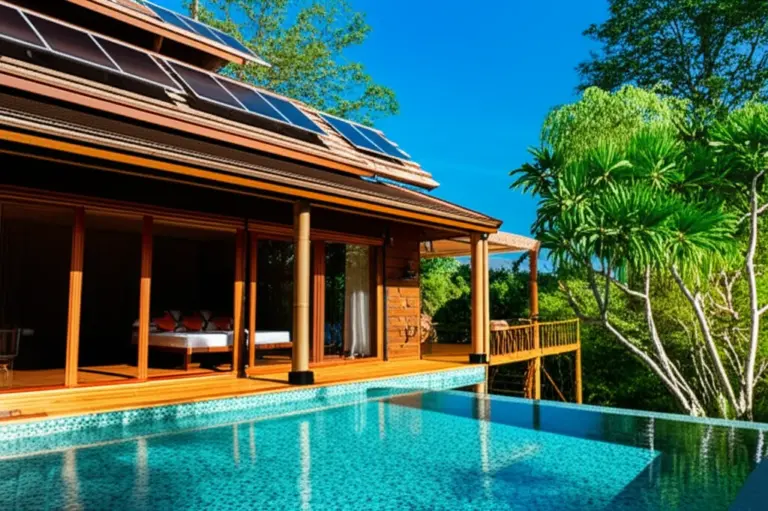
How to Choose Eco-Friendly Accommodations in Thailand (sustainable hotels, eco-lodges, community stays)
- How to Choose Eco-Friendly Accommodations in Thailand (sustainable hotels, eco-lodges, community stays)
Thailand, with its breathtaking landscapes, vibrant culture, and warm hospitality, beckons millions of travelers each year. As the allure of the ‘Land of Smiles’ grows, so does the collective consciousness around responsible travel. Choosing eco-friendly accommodations in Thailand is no longer just a niche preference; it’s a vital step towards preserving this paradise for future generations. This comprehensive guide will illuminate the path to finding truly sustainable hotels, immersive eco-lodges, and authentic community stays, ensuring your Thai adventure leaves a positive footprint. Join us in making a difference, one mindful booking at a time.
Why Embrace Eco-Friendly Stays in Thailand?
Opting for accommodations that prioritize environmental and social responsibility offers benefits far beyond a clear conscience. It enriches your travel experience and contributes directly to the well-being of the destinations you visit. Understanding these impacts can empower your choices.
Protecting Thailand’s Pristine Beauty
Thailand’s natural wonders, from the coral reefs of the Andaman Sea to the lush jungles of the north, are delicate ecosystems. Traditional tourism can place immense strain on these environments through waste generation, excessive resource consumption, and habitat destruction. Eco-friendly accommodations actively work to minimize their ecological footprint, implementing practices like waste reduction, water conservation, renewable energy, and supporting local conservation efforts. Your stay directly supports the preservation of these invaluable natural assets.
Empowering Local Communities
Many sustainable establishments are deeply integrated with their local communities. They often employ local staff, source food and goods from nearby producers, and invest in community development projects. By choosing these options, you ensure that your tourism dollars circulate within the local economy, creating jobs, supporting traditional crafts, and fostering a sense of pride and ownership among residents. This direct contribution helps combat economic leakage often associated with mass tourism.
Enhancing Your Authentic Travel Experience
Sustainable accommodations often offer more intimate and authentic experiences. Eco-lodges might immerse you in nature, while community stays provide unparalleled opportunities to connect with local culture and traditions. You might learn to cook traditional Thai dishes, participate in local farming, or explore hidden gems known only to residents. These experiences create lasting memories and a deeper understanding of Thailand beyond its typical tourist façade.
Decoding Eco-Friendly Accommodation Types
The term ‘eco-friendly’ can be broad. Here’s a breakdown of the types of eco-friendly accommodations in Thailand you might encounter and what makes them stand out.
Sustainable Hotels: More Than Just Greenwashing
These are often larger establishments that have implemented significant changes to reduce their environmental impact. Look for hotels that have clear policies on energy efficiency, water conservation, waste management (including recycling and composting), and responsible sourcing. True sustainable hotels will also engage with and support their local communities, offering fair wages and opportunities. Be wary of ‘greenwashing’ – marketing that makes a hotel seem more eco-friendly than it is. Look for verifiable certifications.
Eco-Lodges: Immersing in Nature Responsibly
Typically nestled in natural environments like jungles, mountains, or coastal areas, eco-lodges are designed to blend seamlessly with their surroundings. They often use sustainable building materials, operate on renewable energy, and have robust systems for water treatment and waste disposal. The focus here is on minimal impact and maximum immersion, often offering educational programs about local ecology and culture. Expect a rustic yet comfortable experience, deeply connected to the natural world.
Community Stays: Connecting with Local Life
Also known as community-based tourism (CBT) or homestays, these accommodations allow you to stay directly with local families or in guesthouses managed by the community. They offer the most authentic cultural exchange, providing insights into daily life, traditions, and cuisine. Profits directly benefit the community, supporting local development and conservation initiatives. While amenities might be simpler than in a hotel, the richness of the experience is unparalleled.
Watch: The Eco Homestay Smashing the UN’s Sustainable Tourism Goals
This video showcases an inspiring eco-homestay in Thailand, demonstrating how sustainable practices can make a real difference and provide unique travel experiences.
What to Look for: Key Indicators of Truly Green Accommodations
When searching for eco-friendly accommodations in Thailand, it’s crucial to look beyond superficial claims. Here are concrete indicators:
Certifications and Accreditations
Legitimate certifications provide third-party verification of a property’s sustainability efforts. Look for internationally recognized labels like Green Globe, EarthCheck, or national programs such as the ASEAN Green Hotel Standard. These certifications often require rigorous audits and adherence to strict environmental and social criteria.
Resource Management: Water, Energy, and Waste
A truly eco-friendly place will have visible and stated policies:
- Energy: Use of solar panels, energy-efficient lighting (LEDs), smart thermostats, and encouraging guests to conserve.
- Water: Low-flow fixtures, rainwater harvesting, greywater recycling, and linen reuse programs.
- Waste: Comprehensive recycling programs, composting organic waste, minimizing single-use plastics, and bulk dispensers for toiletries.
Local Sourcing and Fair Practices
Enquire about where their food comes from. Do they support local farmers and fishermen? Do they offer traditional dishes made with seasonal ingredients? Beyond food, do they purchase local handicrafts and employ staff from the surrounding area, offering fair wages and good working conditions? These practices strengthen the local economy and preserve cultural heritage.
Commitment to Conservation and Animal Welfare
Many eco-friendly properties actively participate in local conservation projects, such as reforestation, marine protection, or wildlife rehabilitation. If they offer animal-related excursions, ensure they adhere to strict ethical guidelines, prioritizing the welfare of animals over tourist entertainment (e.g., no elephant riding, responsible wildlife viewing).
Finding Your Ideal Eco-Stay in Thailand
With growing demand, finding sustainable options is becoming easier. Here’s how to search:
Specialized Platforms and Directories
Websites like Green Pearls, Book Different, or Ecobnb specifically list certified eco-friendly accommodations worldwide. For Thailand specifically, look for directories or initiatives promoted by the Tourism Authority of Thailand (TAT) focusing on responsible tourism.
Direct Engagement with Properties
Don’t hesitate to contact hotels directly and ask about their sustainability practices. A truly committed property will be transparent and proud to share their efforts. Their website should also clearly outline their environmental and social policies.
Leveraging Tour Operators
Many responsible tour operators specialize in sustainable travel and have curated lists of eco-friendly accommodations. They can help you plan an entire itinerary focused on ethical and environmentally conscious choices.
Beyond Your Accommodation: Further Sustainable Travel Tips
Your impact extends beyond where you sleep. Here are ways to make your entire trip more sustainable:
Mindful Packing and Consumption
Pack light to reduce fuel consumption. Bring reusable water bottles, shopping bags, and toiletries to minimize waste. Choose reef-safe sunscreen. Opt for local, seasonal food and avoid excessive consumption of resources.
Respecting Culture and Environment
Learn a few basic Thai phrases, dress modestly in religious sites, and ask permission before taking photos of people. Stick to marked trails, don’t touch or remove natural elements, and dispose of your waste properly. Be a respectful guest in Thailand’s home.
Supporting the Local Economy
Dine at local restaurants, shop at local markets, and buy souvenirs directly from artisans. This ensures your money directly benefits the people who live and work in Thailand, fostering a more equitable distribution of tourism revenue.
คำถามที่พบบ่อย (FAQ)
Conclusion
Choosing eco-friendly accommodations in Thailand is a powerful way to transform your vacation into a force for good. By consciously selecting sustainable hotels, immersive eco-lodges, or authentic community stays, you contribute to the preservation of Thailand’s stunning natural beauty, empower its local communities, and enrich your own travel narrative with deeper, more meaningful experiences. Let your next journey to Thailand be a testament to responsible tourism, proving that unforgettable adventures and positive impact can go hand-in-hand. Make informed choices, travel with respect, and help keep the ‘Land of Smiles’ smiling for generations to come.
- Sustainable Travel in Thailand: Essential Tips to Minimize Your Environmental and Cultural Impact
- Low-Impact Transportation Options for Exploring Thailand Responsibly (public transit, trains, biking, carbon offsetting)
- Responsible Wildlife and Nature Activities: Ethical Tours and Marine Conservation Tips (no animal shows, coral-safe snorkeling)