How to choose the right coral nursery volunteer program: certifications, daily tasks, duration, costs, and reviews
Finding the right coral nursery volunteer program is a transformative journey for ocean enthusiasts and conservationists alike. As Thailand’s marine ecosystems face increasing pressure from climate change and tourism, coral restoration initiatives have become vital. Choosing the right program ensures that your contribution is meaningful, ethical, and safe. This guide explores everything from essential certifications to the daily realities of life as a marine volunteer in the Land of Smiles.
Essential Certifications and Skills
Most coral nursery volunteer programs require a minimum level of scuba diving proficiency. Since coral restoration involves delicate work underwater, excellent buoyancy control is non-negotiable. Most reputable centers in Thailand, such as those in Koh Tao or Phuket, require at least an Advanced Open Water certification. Some programs offer specific ‘Coral Restoration’ specialty courses as part of their induction. If you are not yet certified, look for programs that include PADI or SSI training as a prerequisite phase.
Daily Tasks: What to Expect Underwater
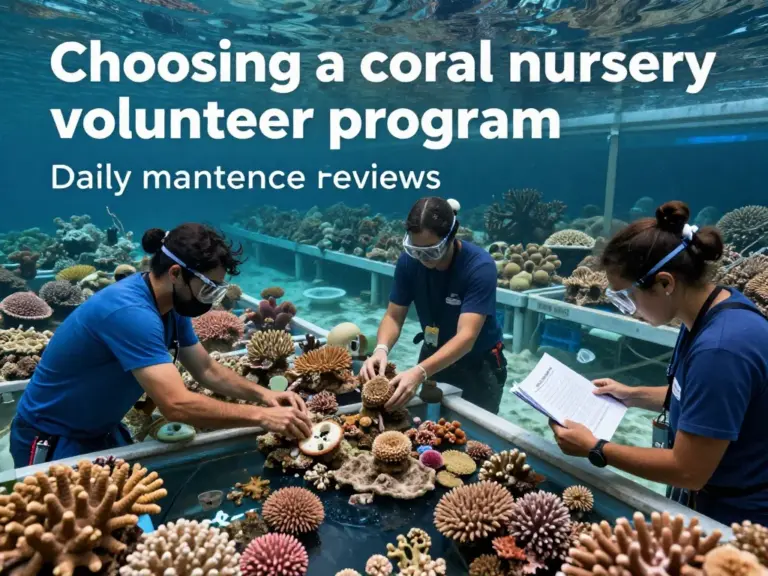
Working in a coral nursery is physically demanding but rewarding. Daily tasks typically include:
- Nursery Maintenance: Scrubbing algae off coral trees or tables to prevent them from smothering the fragments.
- Fragment Collection: Gathering ‘corals of opportunity’ (naturally broken pieces) from the seabed.
- Transplanting: Moving healthy, grown corals from the nursery back onto the natural reef.
- Data Collection: Monitoring growth rates and health indicators for scientific reporting.
Duration and Commitment
Programs in Thailand range from 1-day introductory workshops to 3-month internships. For a meaningful impact, a 2 to 4-week stay is highly recommended. This allows you to move past the learning curve and contribute effectively to the nursery’s maintenance cycles. Short-term programs are great for awareness, but long-term volunteers often gain deeper technical knowledge in marine biology.
Costs and Budgeting
Volunteering for conservation is rarely free, as fees cover equipment, boat fuel, expert supervision, and project materials. In Thailand, prices vary significantly:
| Program Type | Estimated Cost (USD) | Inclusions |
|---|---|---|
| 1-Week Intensive | $500 – $800 | Diving, Training, Gear |
| 1-Month Internship | $1,500 – $2,500 | Accommodation, Unlimited Diving |
Evaluating Reviews and Credibility
Before booking, research the organization’s reputation. Look for reviews on platforms like TripAdvisor or GoOverseas. A credible coral nursery volunteer program will be transparent about where your money goes and provide clear scientific goals. Avoid ‘greenwashing’ projects that prioritize tourist photos over actual coral survival rates.
คำถามที่พบบ่อย (FAQ)
Q: Do I need to be a marine biologist to volunteer?
A: No, most programs provide the necessary training. However, a passion for the ocean and a willingness to learn are essential.
Q: Is diving equipment provided?
A: Most programs include basic gear (BCD, regulator), but many volunteers prefer to bring their own mask, fins, and computer for comfort.
Q: Can I volunteer if I only have an Open Water certification?
A: Some programs allow it but will require you to complete your Advanced training on-site before starting nursery work to ensure reef safety.
References
Department of Marine and Coastal Resources Thailand
PADI Reef Conservation Programs
- Coral nursery volunteering on Ko Tao with reef-safe practices: Complete guide for responsible conservation and snorkeling impact reduction
- Why volunteer on Ko Tao? Understanding goals, conservation outcomes, and what reef-safe practices mean for coral health
- Preparing for your trip and on-site training: reef-safe sunscreen, dive/snorkel skills, biosecurity, and safety protocols