Why Seasonality Matters: Comparing Dry vs Wet Season River Conditions, Safety, and Best Times to Go
- Why Seasonality Matters: Comparing Dry vs Wet Season River Conditions, Safety, and Best Times to Go
When planning a trip to Thailand, most travelers focus on beach weather or city festivals. However, for those drawn to the kingdom’s majestic waterways—from the Chao Phraya to the wild rapids of Mae Taeng—understanding Why Seasonality Matters is the difference between a serene adventure and a safety hazard. Thailand’s tropical climate dictates the pulse of its rivers, creating two distinct worlds: the lush, high-energy wet season and the calm, crystal-clear dry season.
Understanding the Impact of Seasonality on Thailand’s Rivers
Seasonality in Thailand is primarily driven by the monsoon cycles. The Southwest Monsoon (May to October) brings rain, while the Northeast Monsoon (November to April) ushers in drier, cooler air. These shifts drastically alter water volume, flow velocity, and water clarity. For tourists, this means that a river trek or rafting trip booked in January will look and feel completely different from one booked in September.
The Wet Season (May – October): Power and Vitality
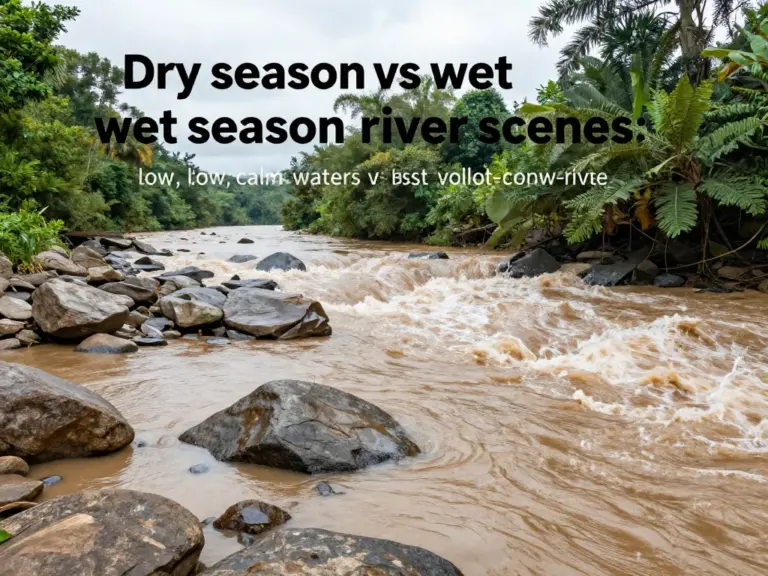
During the wet season, Thailand’s rivers transform into powerful arteries of water. This is the peak time for white-water rafting enthusiasts. The increased volume creates higher-grade rapids and a thrilling experience. However, this vitality comes with increased risks.
- Pros: Lush green scenery, exciting rapids, full waterfalls.
- Cons: Murky brown water (sediment), higher risk of flash floods, potential closures of national parks.
The Dry Season (November – April): Serenity and Clarity
As the rains subside, the rivers settle. The water slows down and clears up, revealing rocky beds and allowing for more leisurely activities like bamboo rafting, kayaking, and swimming. This is widely considered the best time for family-friendly river excursions. The air is cooler, especially in Northern Thailand, making outdoor exploration much more comfortable.
| Feature | Wet Season | Dry Season |
|---|---|---|
| Water Speed | Fast / Turbulent | Slow / Calm |
| Visibility | Low (Muddy) | High (Clear) |
| Safety Risk | Moderate to High | Low |
| Best For | Extreme Rafting | Kayaking & Swimming |
Safety is the most critical reason Why Seasonality Matters. In the wet season, hidden debris like logs can be swept downstream, and undercurrents become significantly stronger. Professional guides are essential during this period. Conversely, in the dry season, the main risk is low water levels, which can lead to hitting submerged rocks in shallow areas. Regardless of the season, always wear a life jacket and use reputable tour operators who monitor water levels daily.
The Best Times to Go: A Regional Guide
The “best” time depends on your goals. For white-water rafting in Chiang Mai, August and September offer the most adrenaline. For a scenic river cruise in Bangkok or a peaceful float down the River Kwai in Kanchanaburi, the cool months of December and January are unbeatable. If you prefer avoiding crowds, the shoulder months of May and November provide a balance of decent water levels and fewer tourists.
คำถามที่พบบ่อย (FAQ)
Is it safe to go rafting during the wet season in Thailand?
Yes, provided you go with a licensed professional guide. Many operators increase safety protocols during the wet season. However, tours may be cancelled if water levels exceed a safe threshold.
When is the river water clearest for swimming?
The water is clearest during the peak of the dry season, specifically from January to March, when there is minimal sediment runoff from rain.
Does the rainy season affect river transport in Bangkok?
Generally, the Chao Phraya Express boats operate year-round. However, during extreme high tides or heavy rainfall in October, some piers may experience minor flooding or temporary service adjustments.
What should I wear for a river tour in the dry season?
Lightweight, quick-dry clothing and sun protection are essential. Even though it’s the “cool” season, the tropical sun remains strong, especially when reflecting off the water.
References
- Song Phraek Whitewater Rafting in Phang Nga: Complete Dry & Wet Season Guide for Planning Your Adventure
- What to Expect on the River: Rapids, Difficulty Levels, Typical Trip Routes, and Wildlife Sightings by Season
- Safety, Gear, and Local Regulations: Essential Equipment, Weather-Related Risks, and Guidelines for Guides and Visitors