What You’ll Learn: Techniques, Materials, and a Typical Lesson Plan for Khon Mask Painting Workshops
- What You’ll Learn: Techniques, Materials, and a Typical Lesson Plan for Khon Mask Painting Workshops
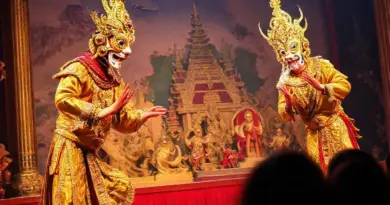
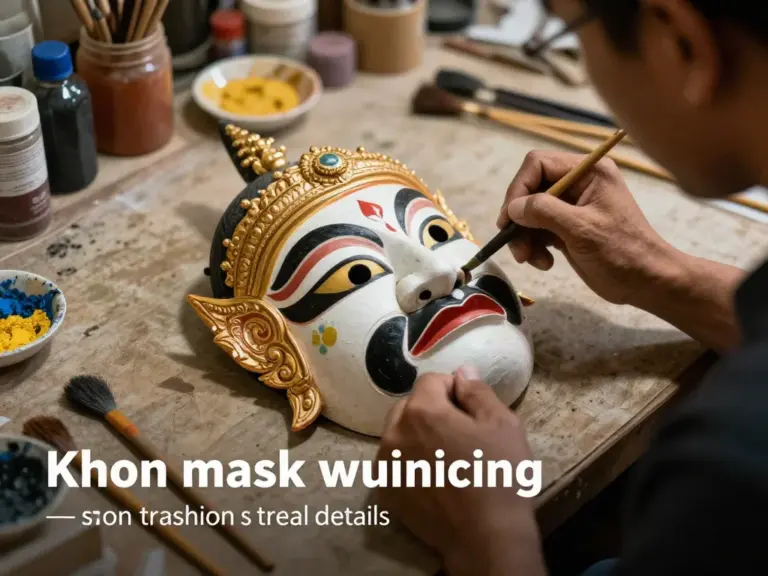
Immersing yourself in Thai culture goes far beyond visiting temples and tasting street food. For those seeking a deeper connection to the Kingdom’s heritage, Khon Mask Painting Workshops offer a unique window into the soul of Thai performing arts. Khon, a UNESCO-recognized heritage, is a masked dance drama that narrates the Ramakien epic. The masks themselves are masterpieces of craftsmanship, representing gods, demons, and heroes. In this guide, we explore what you can expect when you pick up the brush to create your own piece of Thai history.
The Significance of Khon Mask Painting Workshops
Participating in these workshops isn’t just about art; it’s about preservation. Historically, Khon masks were crafted by master artisans in the royal court. Today, these workshops bridge the gap between ancient tradition and modern tourism, allowing visitors to appreciate the meticulous detail required to bring characters like Hanuman or Ravana to life. You will learn that every line and color choice has a specific meaning rooted in Thai mythology.
Essential Materials Used in Khon Mask Painting
In a professional workshop, you will be introduced to the specialized tools and materials that define this craft. While full-sized performance masks are made from khoi paper and lacquer, workshop versions often use high-quality plaster or resin miniatures to ensure students can finish their project within a day.
| Material | Purpose |
|---|---|
| Acrylic or Tempera Paints | Providing the vibrant base colors for the characters. |
| Gold Leaf (Gilding) | Adding the royal shimmer to crowns and ornaments. |
| Fine-tipped Brushes | Executing the intricate “Lai Thai” patterns. |
| Lacquer/Varnish | Protecting the finished mask and giving it a traditional sheen. |
Traditional Painting Techniques You Will Master
The core of Khon Mask Painting Workshops lies in mastering the traditional Thai motifs. Instructors will guide you through the following techniques:
- Kanok Patterns: Learning the flame-like curves that are fundamental to Thai design.
- Color Coding: Understanding that green represents Rama, white represents Hanuman, and gold often signifies royalty or divinity.
- Steady Hand Gilding: The delicate process of applying adhesive and pressing gold leaf onto specific raised areas of the mask.
- Detailing the Eyes: In Khon art, the eyes are said to hold the spirit of the character; learning to paint the “life” into the gaze is a highlight of the session.
A Typical Lesson Plan for Khon Mask Painting Workshops
Most workshops are designed for beginners and last between 3 to 5 hours. Here is a typical breakdown of the experience:
- Introduction & Storytelling: A brief history of the Ramakien and an introduction to the character you will be painting.
- Base Layer Application: Applying the primary color to the mask surface.
- Tracing the Patterns: Using pencils or light paint to outline the intricate traditional patterns.
- The Painting Phase: Filling in the details with a focus on symmetry and color contrast.
- Gilding & Finishing: Applying gold accents and a final protective coat.
- Photo Op & Blessing: Many studios conclude with a small ceremony or a chance to photograph your work in a traditional setting.
Where to Find These Workshops in Thailand
If you are looking to join Khon Mask Painting Workshops, the best places are often found in cultural hubs like Bangkok or Ayutthaya. Baan Silapin (The Artist’s House) in Khlong Bang Luang is a famous spot where you can paint masks while watching traditional puppet shows. Additionally, many high-end hotels and cultural centers like the Sacict (Sustainable Arts and Crafts Institute of Thailand) offer curated experiences for tourists.
คำถามที่พบบ่อย (FAQ)
Do I need prior art experience to join?
No, most workshops are designed for beginners. Instructors provide templates and step-by-step guidance to ensure everyone leaves with a beautiful mask.
How long does a typical workshop take?
A standard session usually lasts between 3 to 4 hours, depending on the complexity of the mask chosen.
Can I take the mask home with me?
Yes! The mask you paint is yours to keep as a unique, handmade souvenir of your time in Thailand.
Is this activity suitable for children?
Absolutely. It is a fantastic educational activity for children aged 7 and up, helping them learn about Thai culture through hands-on creativity.
References
- UNESCO: Khon Masked Dance Drama in Thailand
- Tourism Authority of Thailand (TAT)
- Sustainable Arts and Crafts Institute of Thailand