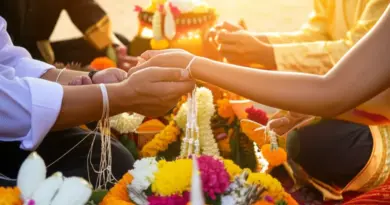
Preparing to participate: what to wear, what to bring (offering items), and step-by-step instructions for giving alms respectfully
- Preparing to participate: what to wear, what to bring (offering items), and step-by-step instructions for giving alms respectfully
Participating in Tak Bat, the daily morning alms giving ceremony, is one of the most profound and authentic cultural experiences a visitor can have in Thailand. It is a beautiful, centuries-old Buddhist tradition where laypeople offer food to Buddhist monks, supporting their monastic life and accumulating merit. To ensure your participation is meaningful and, crucially, giving alms respectfully, preparation is key. This guide provides comprehensive advice on attire, appropriate offerings, and the proper etiquette for this sacred ritual, ensuring you honor the local customs and the monks.
Understanding the Significance of Tak Bat
In Theravada Buddhism, practiced widely in Thailand, monks rely entirely on the community for their sustenance. They take a vow of poverty and are forbidden from earning money or growing their own food. The daily collection of alms is not a handout; it is a vital, reciprocal relationship. The monks provide spiritual guidance and blessings, and the laypeople provide material support. When giving alms respectfully, you are participating in this essential cycle of generosity (Dāna) and mutual support.
When and Where to Offer Alms
The ceremony typically takes place just after sunrise, often between 6:00 AM and 7:30 AM, depending on the location. Cities like Luang Prabang (Laos, but highly influential on Thai tradition) and Chiang Mai are famous for their early morning processions. Always check local times, as variations exist between urban centers and smaller villages.
What to Wear: Dressing for Respect
Appropriate attire is the first step in showing reverence. The monks are highly respected figures, and visitors must dress in a manner that reflects this solemnity. Failure to adhere to dress codes can cause offense, even if unintentional.
Essential Clothing Guidelines
- Cover Shoulders: Both men and women must cover their shoulders. T-shirts, blouses, or shirts with sleeves are mandatory. Tank tops or spaghetti straps are strictly prohibited.
- Cover Knees: Long trousers or skirts that reach below the knee are required. Shorts, even long ones, should generally be avoided in favor of full-length covering.
- Footwear: While shoes are usually removed before approaching the monks directly, you should wear respectful, closed-toe shoes or neat sandals when waiting.
- General Modesty: Avoid overly tight or revealing clothing. Think conservative and covered.
What to Bring: Appropriate Offerings
The primary offering is food, specifically cooked meals. Monks cannot eat after noon, so morning offerings are essential. While purchasing items from local vendors near the procession route is common, preparing your own offerings shows deeper respect and intention.
Acceptable Food Offerings
The best offerings are simple, ready-to-eat, single-serving portions. Remember, the monk must consume the food that day.
- Sticky Rice (Khao Niao): This is the staple offering, often molded into small balls or served in a small plastic bag or container.
- Pre-packaged Snacks: Small packets of biscuits, crackers, or instant coffee/tea are acceptable, though fresh food is preferred.
- Drinks: Bottled water, fruit juices, or sometimes milk are appreciated, especially in the heat.
- Avoid: Alcohol, strong-smelling foods (like durian), or anything requiring extensive preparation.
Non-Food Offerings (For Special Occasions)
While food is paramount, certain essential items can be offered, especially if you are donating to the temple (Wat) rather than directly to the monks on the street:
- Toiletries (soap, shampoo)
- Candles, incense, and flowers for the temple altar
- Basic cleaning supplies.
Step-by-Step Guide to Giving Alms Respectfully (Tak Bat Procedure)
Following the correct sequence is vital for showing deference to the Sangha (monastic community). This process is the core of giving alms respectfully.
- Find Your Spot Early: Arrive at your chosen location 15–20 minutes before the procession is expected. Do not block local traffic or pathways.
- Prepare Your Stance: You should kneel or squat on the ground if possible. If you must stand, do so slightly behind any locals who are kneeling. Never stand over the monks.
- The Offering Container: If you have prepared individual portions (like sticky rice balls), hold them ready in your hands or a small bowl.
- Receiving the Alms Bowl: As the monk approaches, hold your offering up slightly. The monk will extend his alms bowl. Gently place the offering into the bowl. Do not touch the monk or his bowl directly, if possible.
- Silence and Observation: Remain silent and respectful during the entire process. Do not speak to the monks, take photos directly in front of them, or attempt to engage them in conversation.
- Receiving the Blessing: After all monks have passed, or after you have given your offering, you may be offered a brief blessing (often chanted in Pali). You can nod respectfully in acknowledgment. Remain kneeling or bowed until the chanting is complete.
- Depart Quietly: Once the blessing is over, you may rise and leave the area quietly, allowing the monks to continue their rounds.
To fully appreciate the spiritual depth of this practice, consider watching this short guide on the etiquette involved:
Temple Etiquette: Beyond the Morning Ritual
Your respectful behavior should extend to the temple grounds themselves, which are the monks’ residences and places of worship. Whether you are visiting a Wat in Bangkok or Chiang Mai, these rules apply universally.
Key Rules for Temple Visits
By adhering to these guidelines—from your respectful attire to the manner in which you present your offering—you transform a simple transaction into a genuine cultural exchange and honor the profound spiritual traditions of Thailand. Remember, the focus is on the intention behind the act of giving.
คำถามที่พบบ่อย (FAQ)
Can tourists give alms every day?
Yes, tourists can participate daily, but it is recommended to do so selectively. Excessive participation by large tourist groups can sometimes disrupt the quiet routine of the monks. Choose a quiet location and ensure you are prepared to follow the etiquette each time.
What should I do if I accidentally touch a monk while giving alms?
If an accidental touch occurs (especially by a woman), remain calm. Apologize sincerely if possible, but do not make a scene. In many cases, the monk may be required to spend the day in meditation or perform minor penances. A sincere, quiet apology is the best response.
Is it okay to give money instead of food?
Generally, no, money is not given directly during the morning alms round. Monks are forbidden from handling money. For monetary donations, it is appropriate to donate directly to the temple office or a designated temple fund, not during the procession itself.
Are there specific temples known for excellent alms giving experiences?
In Chiang Mai, the area around Wat Chedi Luang or the path leading to Wat Phra Singh often hosts traditional processions. For a more authentic, less crowded experience, seek out smaller local Wats outside the immediate tourist centers.
References
- Join morning alms-giving in Chiang Rai with the local community: Complete guide for first-timers and cultural respect
- What to expect at a Chiang Rai morning alms-giving ceremony — schedule, rituals, and local etiquette for visitors
- How to find authentic alms-giving opportunities in Chiang Rai — best neighborhoods, temples, and community events