Step-by-step guide to buying tickets and checking schedules: online booking, counter purchase, apps, and peak-time considerations
- Step-by-step guide to buying tickets and checking schedules: online booking, counter purchase, apps, and peak-time considerations
Navigating the vibrant landscape of Thailand requires a solid understanding of its transportation network. Whether you are traversing the bustling streets of Bangkok or heading to the serene islands of the south, mastering the art of buying tickets and checking schedules is essential for a seamless journey. This comprehensive guide provides expert insights into the various booking methods available to travelers today, ensuring you stay ahead of the crowd, especially during the hectic peak seasons.
1. Online Booking: The Modern Traveler’s Choice
In the digital age, online booking has become the gold standard for securing transport. For trains, the State Railway of Thailand (SRT) offers the ‘D-Ticket’ system, allowing travelers to reserve seats up to 30 days in advance. For buses and ferries, platforms like 12Go Asia or BusOnlineTicket provide a centralized hub to compare prices and times. When buying tickets and checking schedules online, ensure you are using official or reputable third-party sites to avoid inflated prices.
2. Mobile Apps for On-the-Go Planning
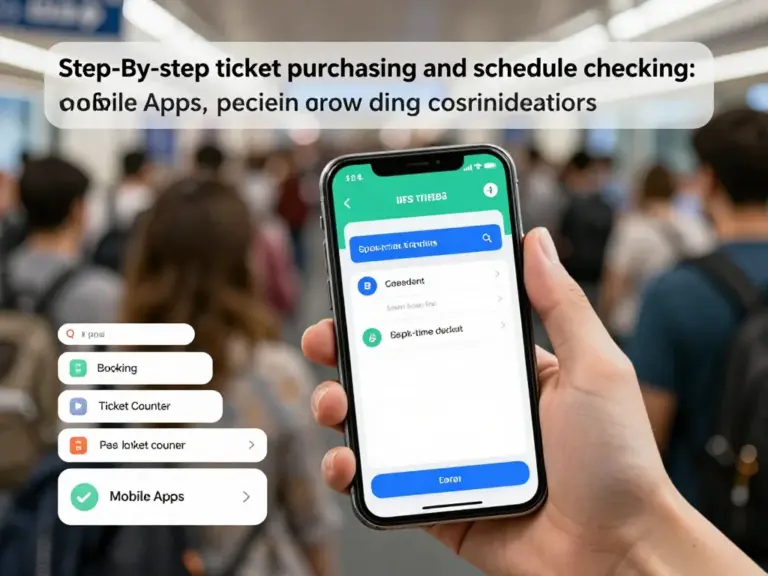
Mobile applications offer unparalleled flexibility. For urban transit in Bangkok, apps like ‘BKK Rail’ help you navigate the BTS, MRT, and Airport Rail Link with real-time updates. For long-distance travel, the ‘SRT Timetable’ app is invaluable for checking train arrivals and departures. Using these apps simplifies the process of buying tickets and checking schedules, as they often integrate payment gateways like credit cards or local QR prompts.
3. Traditional Counter Purchases
While digital methods are convenient, counter purchases remain a reliable option, particularly for short-distance commutes or spontaneous trips. Major hubs like Krung Thep Aphiwat Central Terminal (for trains) or Mo Chit Bus Terminal (for northern routes) have dedicated ticket windows. When buying at the counter, it is helpful to have your destination written in Thai or shown on a map to minimize communication barriers. Be aware that popular routes can sell out quickly at the station.
Thailand’s peak travel periods—such as Songkran (April), New Year, and the high season (November to February)—require extra planning. During these times, buying tickets and checking schedules should be done weeks, if not months, in advance. Expect longer queues at counters and increased traffic on booking websites. If you are traveling during these periods, consider booking ‘First Class’ or ‘Sleeper’ tickets early, as these are the first to disappear.
| Transport Mode | Best Booking Method | Advance Booking Recommended |
|---|---|---|
| Trains (SRT) | D-Ticket Website/App | 30 Days |
| Intercity Bus | 12Go Asia / Station Counter | 7-14 Days |
| Ferries/Speedboats | Online Portals | 3-5 Days |
| BTS/MRT | Ticket Vending Machines | Not Required |
คำถามที่พบบ่อย (FAQ)
How far in advance should I book train tickets in Thailand?
For long-distance sleeper trains, it is highly recommended to book 30 days in advance via the official D-Ticket website, especially for popular routes like Bangkok to Chiang Mai.
Can I buy BTS and MRT tickets online?
Currently, BTS and MRT tickets are primarily purchased via vending machines at stations. However, you can use stored-value cards like the Rabbit Card (BTS) which can be topped up via certain mobile banking apps.
What happens if I miss my scheduled bus or train?
Generally, tickets are non-refundable if you miss the departure. At major stations, you can try to talk to the ticket counter to see if they can put you on the next available service for a fee, but this is not guaranteed during peak times.
Is it safe to use third-party booking websites like 12Go Asia?
Yes, 12Go Asia is a reputable and widely used platform for travelers in Southeast Asia. They provide electronic vouchers that are easily exchanged for physical tickets or used directly for boarding.
References
- Official State Railway of Thailand (D-Ticket)
- 12Go Asia Transportation Portal
- Ministry of Transport Thailand
- Using intercity vans and buses from Ekkamai and Mo Chit terminals: Ultimate guide to routes, schedules, fares, and tips for seamless travel
- How to choose between Ekkamai and Mo Chit terminals: comparing destinations, vehicle types (vans vs buses), and travel time
- Understanding fares, concessions, and luggage rules: pricing structure, discounts, baggage limits, and hidden fees