Navigating the vibrant landscapes of Thailand requires more than just a map; it requires a deep understanding fares, concessions, and luggage rules. Whether you are gliding through Bangkok on the BTS Skytrain, taking a long-haul sleeper train to Chiang Mai, or hopping on a low-cost carrier to the southern islands, knowing the pricing structure and hidden costs can significantly impact your travel budget. This comprehensive guide is designed to help tourists and expats alike master the intricacies of Thailand’s transportation network, ensuring a seamless and cost-effective journey across the Land of Smiles.
The Pricing Structure of Public Transport in Thailand
Thailand’s public transport system is diverse, ranging from ultra-modern rail networks to traditional river boats. The pricing structure for the BTS (Skytrain) and MRT (Subway) in Bangkok is distance-based. Fares typically start at around 17 THB and can go up to 60 THB for a single journey. For frequent travelers, the Rabbit Card (BTS) and MRT Card offer convenience, though they don’t always provide a direct discount per trip compared to single-journey tokens. However, they save time and often integrate with retail discounts.
| Transport Mode | Base Fare | Payment Method |
|---|---|---|
| BTS Skytrain | 17 – 62 THB | Rabbit Card / Cash |
| MRT Subway | 17 – 45 THB | MRT Card / Contactless Credit Card |
| SRT Hopewell (Red Line) | 12 – 42 THB | Token / Contactless Card |
| Chao Phraya Express Boat | 15 – 33 THB | Cash on board / Pier office |
Understanding Fares, Concessions, and Discounts
When understanding fares, concessions, and luggage rules, it is vital to look at who qualifies for discounts. In Thailand, concessions are generally available for three groups: children, students, and senior citizens. For the MRT and BTS, children under 90cm in height usually travel for free. Children between 91-120cm and under 14 years old often receive a 50% discount. Senior citizens (aged 60 and over) are also eligible for 50% discounts, but it is important to note that many of these concessions are technically reserved for Thai nationals. However, some stations may honor the discount for tourists if a passport is presented.
For long-distance trains managed by the State Railway of Thailand (SRT), concessions are more strictly regulated. Foreigners usually pay the standard adult fare. However, booking in advance through the official D-Ticket website can help you secure ‘Early Bird’ styles of pricing for specific routes.
Baggage Limits and Luggage Rules
Luggage rules in Thailand vary drastically between transport modes. On Bangkok’s mass transit (BTS/MRT), there are no specific weight limits, but you must be able to carry your items through turnstiles. Large suitcases are permitted, but avoid peak hours (07:00-09:00 and 17:00-19:00) as trains become extremely crowded.
For domestic flights, baggage limits are a critical consideration. Low-cost carriers like AirAsia, Nok Air, and Thai Lion Air typically do not include checked baggage in their base ‘Promo’ fares. You are usually allowed 7kg of carry-on luggage. Checked baggage fees are significantly cheaper if paid at the time of booking rather than at the airport counter.
- Thai Airways: Usually includes 20-30kg checked baggage.
- Bangkok Airways: Includes 20kg checked baggage for all passengers and boutique lounge access.
- AirAsia: 7kg carry-on; checked bag fees apply based on weight (15kg, 20kg, 25kg+).
Hidden Fees to Watch Out For
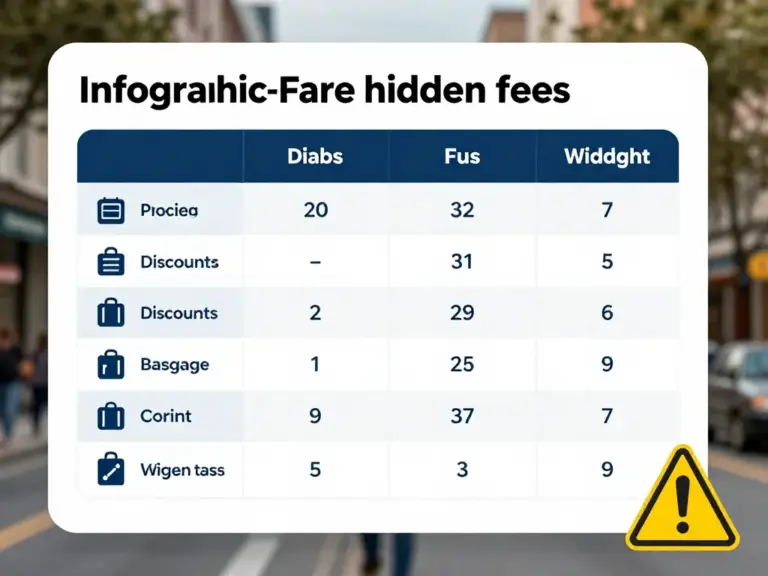
Hidden fees can quickly turn a cheap trip into an expensive one. One common ‘hidden’ fee in Thailand is the credit card surcharge for booking flights or train tickets online, which can range from 50 to 150 THB per passenger. Additionally, when taking a taxi from Suvarnabhumi or Don Mueang Airport, there is a mandatory 50 THB airport surcharge on top of the meter fare, plus any expressway toll fees (usually 25-75 THB).
When using ride-hailing apps like Grab or Bolt, be aware of ‘High Demand’ surcharges during rainstorms or rush hour. In regional areas, vans (minibuses) might charge an extra seat fee if your luggage is too large to fit in the small storage area, effectively doubling your fare.
คำถามที่พบบ่อย (FAQ)
Q: Can tourists get senior discounts on the BTS and MRT?
A: Generally, senior discounts (50% off) are reserved for Thai residents with a national ID card. However, some MRT stations may allow it if you show a passport, but it is not guaranteed for tourists.
Q: What happens if my carry-on bag exceeds 7kg on a domestic flight?
A: Most Thai budget airlines are strict at the gate. If your bag is overweight, you may be forced to check it in at ‘Gate Baggage’ rates, which are significantly higher than standard pre-booked rates.
Q: Are there baggage limits on Thai trains?
A: The SRT allows a reasonable amount of luggage (usually up to 40kg for first class, 30kg for second class). As long as you can manage your bags and they don’t block aisles, there is rarely an extra fee.
Q: Is it cheaper to buy tickets at the station or online?
A: For BTS/MRT, the price is the same. For long-distance trains and buses, buying at the station avoids the ‘service fee’ charged by online booking platforms, but you risk seats being sold out.
References
- BTS Skytrain Official Website
- MRT Bangkok Metro Official
- State Railway of Thailand (SRT)
- The Civil Aviation Authority of Thailand (CAAT)
- Using intercity vans and buses from Ekkamai and Mo Chit terminals: Ultimate guide to routes, schedules, fares, and tips for seamless travel
- How to choose between Ekkamai and Mo Chit terminals: comparing destinations, vehicle types (vans vs buses), and travel time
- Step-by-step guide to buying tickets and checking schedules: online booking, counter purchase, apps, and peak-time considerations