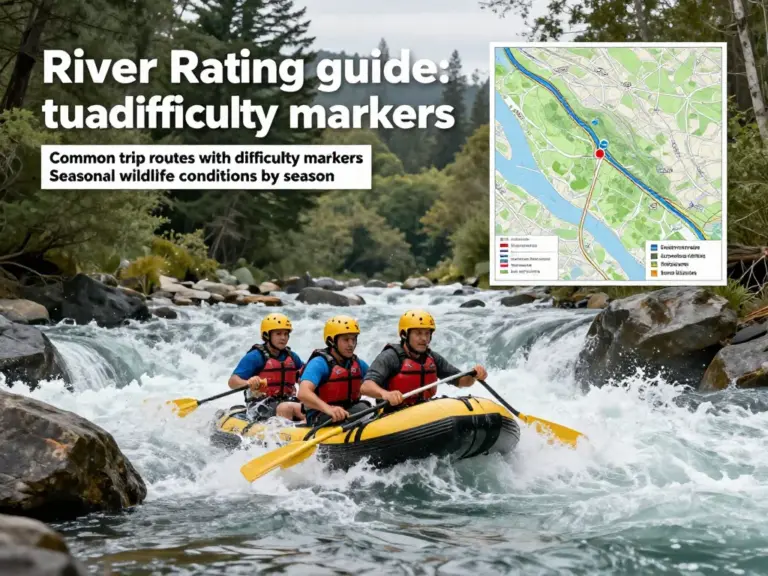
What to Expect on the River: Rapids, Difficulty Levels, Typical Trip Routes, and Wildlife Sightings by Season
Embarking on a river adventure in Thailand offers a unique perspective on the Kingdom’s lush landscapes. Whether you are a seasoned adrenaline seeker or a family looking for a scenic float, knowing What to Expect on the River is crucial for a safe and memorable experience. From the thunderous Class IV rapids of the rainy season to the tranquil emerald waters of the summer, Thailand’s waterways provide a diverse range of experiences tailored to every type of traveler.
Understanding Rapids and Difficulty Levels
River rapids are classified globally on a scale of I to VI. In Thailand, most commercial rafting trips operate within the Class I to Class IV range. Understanding these levels helps you choose a trip that matches your comfort and skill level.
| Class | Difficulty | Description |
|---|---|---|
| Class I | Easy | Fast moving water with riffles and small waves. Few obstructions. |
| Class II | Novice | Straightforward rapids with wide, clear channels which are evident without scouting. |
| Class III | Intermediate | Rapids with moderate, irregular waves which may be difficult to avoid and can swamp an open canoe. |
| Class IV | Advanced | Intense, powerful but predictable rapids requiring precise boat handling in turbulent water. |
During the peak monsoon (August – October), many rivers in Northern Thailand escalate to Class IV+, making them suitable only for experienced rafters. Conversely, the dry season (March – May) often sees these same rivers drop to Class II, perfect for a relaxed family outing.
Typical Trip Routes in Thailand
When considering What to Expect on the River in terms of geography, Thailand offers several iconic routes. The most famous is the Mae Taeng River in Chiang Mai. This route typically covers about 10 kilometers and features over 20 rapids, carving through dense jungle and passing local ethnic minority villages.
Further south, the Klong Song Phraek in Phang Nga offers a different vibe. This is often a dam-controlled release, providing consistent water levels throughout the year. For those seeking a multi-day expedition, the Pai River in Mae Hong Son offers overnight trips where you can camp on the riverbanks under the stars.
Wildlife Sightings by Season
The biodiversity along Thai rivers changes with the seasons, offering rafters a front-row seat to nature’s theater.
- Rainy Season (June – October): The jungle is at its most vibrant. Expect to see various species of kingfishers, herons, and perhaps the occasional Asian water monitor basking on the rocks. The lush canopy is home to macaques and gibbons, whose calls echo through the mist.
- Cool Season (November – February): This is the best time for birdwatching. Migratory birds from the north often settle near the riverbanks. The water is clearer, making it easier to spot freshwater fish and turtles.
- Dry Season (March – May): As water sources inland dry up, larger animals may venture closer to the river. It is not uncommon to see domesticated water buffaloes cooling off in the shallows or butterflies gathering in massive, colorful clusters on the damp sand.
คำถามที่พบบ่อย (FAQ)
Q1: Is white water rafting in Thailand safe for children?
A1: Yes, during the dry and cool seasons, many rivers like the Mae Taeng have sections suitable for children aged 7 and up. Always check with the operator regarding age restrictions for specific routes.
Q2: What should I wear for a river trip?
A2: Wear quick-dry clothing, swimwear, and secure sandals or water shoes. Avoid cotton as it becomes heavy when wet. Don’t forget eco-friendly sunscreen!
Q3: When is the best time for the biggest rapids?
A3: The peak of the rainy season, specifically September and October, offers the highest water levels and the most challenging Class IV+ rapids.
References
Tourism Authority of Thailand (TAT)
Conservation International – Southeast Asia Biodiversity
- Song Phraek Whitewater Rafting in Phang Nga: Complete Dry & Wet Season Guide for Planning Your Adventure
- Why Seasonality Matters: Comparing Dry vs Wet Season River Conditions, Safety, and Best Times to Go
- Safety, Gear, and Local Regulations: Essential Equipment, Weather-Related Risks, and Guidelines for Guides and Visitors