Safety, Gear, and Local Regulations: Essential Equipment, Weather-Related Risks, and Guidelines for Guides and Visitors
When exploring the vibrant landscapes of Thailand, understanding Safety, Gear, and Local Regulations is paramount for every traveler and professional guide. From the humid jungles of the north to the crystal-clear waters of the Andaman Sea, being prepared ensures that your adventure remains memorable for all the right reasons. This guide delves into the essential equipment you need, the weather-related risks unique to Southeast Asia, and the legal framework that keeps the tourism industry sustainable and safe.
Essential Gear for the Thai Climate
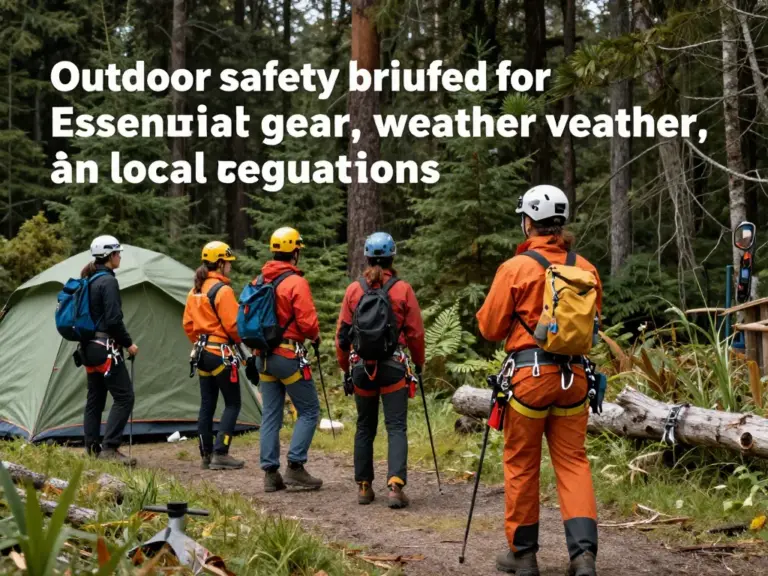
Packing for Thailand requires a balance between comfort and protection. The tropical climate demands gear that can handle high humidity and sudden downpours. For visitors, lightweight, moisture-wicking clothing is a must. If you are heading to the mountains of Chiang Mai, a sturdy pair of hiking boots with good grip is essential to navigate slippery trails. For those engaging in water sports, high-quality life jackets and UV-protective swimwear are non-negotiable .
- Lightweight, breathable apparel
- Waterproof dry bags for electronics
- Reef-safe sunscreen (to comply with marine park laws)
- Personal first-aid kit including electrolyte salts
Thailand’s weather can be unpredictable. The monsoon season, typically running from May to October, brings heavy rains that can lead to flash floods in caves or landslides in hilly regions. Heat exhaustion is another significant risk, especially for those unaccustomed to the 35°C+ temperatures and high humidity. Guides must be trained to recognize the early signs of heatstroke and ensure that visitors stay hydrated throughout the day.
Local Regulations and Guidelines for Guides
The Department of Tourism in Thailand enforces strict Safety, Gear, and Local Regulations to protect both the environment and the tourists. It is illegal for foreigners to work as tour guides; this profession is strictly reserved for Thai nationals who must be licensed. Guides are required to carry insurance for their clients and must adhere to capacity limits in sensitive ecological zones like Maya Bay or Similan Islands. Failure to follow these regulations can result in heavy fines or the revocation of operating licenses .
| Regulation Category | Key Requirement |
|---|---|
| Guide Licensing | Must be a Thai national with a valid license |
| Marine Protection | No feeding fish or touching coral reefs |
| Transportation | Mandatory life jackets on all registered speedboats |
Guidelines for Visitors: Responsible Tourism
As a visitor, your safety is partly your responsibility. Respecting local customs and laws is part of the experience. This includes dressing modestly when visiting temples (covering shoulders and knees) and adhering to the “Leave No Trace” principles in national parks. Always ensure you are booking through a registered travel agency to guarantee that safety standards and insurance coverage are met.
คำถามที่พบบ่อย (FAQ)
A: High-quality hiking boots with traction and a reliable insect repellent are essential to prevent slips and protect against mosquito-borne illnesses.
Q2: Are there specific regulations for visiting Thai National Parks?
A: Yes, visitors must pay entry fees, avoid single-use plastics, and are strictly prohibited from taking any natural items like shells or coral.
Q3: How can I tell if a tour guide is legally licensed?
A: A legal guide will wear a silver-colored badge issued by the Department of Tourism, which includes their photo and license number.
Q4: What should I do during a sudden monsoon storm?
A: Seek shelter in a sturdy building immediately. Avoid staying in the water or under tall trees, and follow the instructions of your local guide.
References
Tourism Authority of Thailand (TAT) Official Website
Thai Meteorological Department
- Song Phraek Whitewater Rafting in Phang Nga: Complete Dry & Wet Season Guide for Planning Your Adventure
- Why Seasonality Matters: Comparing Dry vs Wet Season River Conditions, Safety, and Best Times to Go
- What to Expect on the River: Rapids, Difficulty Levels, Typical Trip Routes, and Wildlife Sightings by Season