What Wildlife You Can Expect to See: Key Species, Birdwatching Hotspots, Seasonal Behaviors, and Ethical Wildlife Viewing Practices
- What Wildlife You Can Expect to See: Key Species, Birdwatching Hotspots, Seasonal Behaviors, and Ethical Wildlife Viewing Practices
Thailand, often celebrated for its stunning beaches, vibrant culture, and delicious cuisine, also harbors an astonishing diversity of wildlife. For any nature enthusiast planning a trip, understanding the rich biodiversity and how to experience it responsibly is key to an unforgettable journey. This guide delves into the incredible wildlife in Thailand, from its iconic land mammals and avian wonders to its mesmerizing marine creatures, ensuring you know what to expect and how to engage ethically with the natural world. Prepare to be captivated by the Land of Smiles’ wild side.
Key Wildlife Species in Thailand
Thailand’s varied ecosystems, from dense rainforests to pristine coral reefs, support an impressive array of species. Here’s a glimpse of the fascinating creatures you might encounter:
Mammals
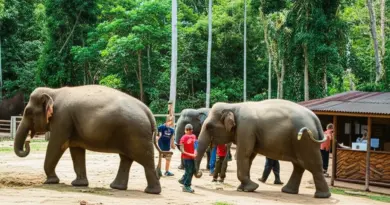
- Elephants: The national animal of Thailand, wild Asian elephants can be spotted in national parks like Kui Buri and Khao Yai. [9, 19] Ethical sanctuaries also offer responsible ways to observe these magnificent animals. [15, 16]
- Primates: Look out for various species of gibbons (such as White-handed Gibbons in Khao Yai) [19] and macaques (including Pig-tailed Macaques). [19]
- Big Cats & Other Predators: While rarer, leopards and clouded leopards inhabit larger, more remote parks like Kaeng Krachan National Park. [5] Other predators include civets, dholes (Asian wild dogs), and jackals. [5] Bears, such as sun bears and Asian black bears, are also present. [5, 18]
- Deer: Sambar and Barking deer are commonly found in forested areas. [19]
Birds
Thailand is a birdwatcher’s paradise, boasting hundreds of species. [21] Iconic birds include:
- Hornbills: With 13 species found in Thailand, including the Great Hornbill, Oriental Pied Hornbill, and Wreathed Hornbill, these large, distinctive birds are a highlight, especially in parks like Khao Yai and Kaeng Krachan. [6, 21, 25]
- Kingfishers: Vibrant and numerous, species like the Banded Kingfisher and Oriental Dwarf Kingfisher can be found near water bodies. [6, 21]
- Other Notable Species: Keep an eye out for diverse pigeons and doves, various plovers and lapwings, storks, and common residents like the White-vented Myna, Oriental Magpie Robin, and Indochinese Roller. [6, 13, 26]
Reptiles & Amphibians
From geckos to snakes (many of which are harmless), Thailand’s warmer climate is ideal for cold-blooded creatures. Large water monitors are a common sight, even in urban parks. [10]
Marine Life
Thailand’s Andaman Sea and Gulf coasts teem with aquatic life, making it a world-renowned diving and snorkeling destination.
- Whale Sharks: The largest fish in the ocean, these gentle giants are a major draw for divers. [4]
- Manta Rays: Often seen alongside whale sharks, especially in the Similan Islands. [7]
- Coral Reefs: Home to countless species of colorful fish, sea turtles, and various invertebrates.
Birdwatching Hotspots and Prime Viewing Locations
To maximize your chances of seeing the wildlife in Thailand, consider visiting these renowned locations:
National Parks
- Khao Yai National Park: A UNESCO World Heritage site and Thailand’s oldest national park, easily accessible from Bangkok. It’s excellent for spotting elephants, gibbons, deer, and over 280 bird species, including four types of hornbills. [5, 19, 21]
- Kaeng Krachan National Park: Thailand’s largest national park, offering exceptional biodiversity. It’s a prime location for serious naturalists, with sightings of leopards, clouded leopards, elephants, and a wide variety of birds. [5, 12, 18]
- Doi Inthanon National Park: Located in northern Thailand, home to the country’s highest peak. It’s particularly popular for birdwatching, especially between November and February. [5, 18]
- Kui Buri National Park: Renowned for its high likelihood of wild elephant sightings, often seen gathering around water holes. [9]
- Khao Sok National Park: A stunning rainforest with towering limestone cliffs and diverse wildlife, including elephants, gibbons, and hornbills. [9, 18]
Marine Hotspots
- Similan Islands & Richelieu Rock: Consistently ranked among the world’s best dive sites, known for frequent whale shark and manta ray sightings, especially from December to March (Andaman Sea). [2, 7]
- Koh Tao & Chumphon Pinnacle: In the Gulf of Thailand, these spots offer good chances for whale shark encounters, particularly from February to May. [17]
Seasonal Behaviors and Best Times to Visit
Timing your visit can significantly impact your wildlife viewing success:
| Season | Months | Wildlife Viewing Conditions |
|---|---|---|
| Dry & Cool Season | November – February |
Generally considered the best time for overall wildlife viewing. Cooler temperatures make trekking more comfortable, and animals are often easier to spot as water sources become scarcer, concentrating them around remaining pools. Excellent for birdwatching, including migratory species. [18] |
| Hot Season | March – May |
Very hot, but animals remain concentrated around water sources, potentially offering good viewing opportunities. Prime time for whale shark sightings in the Andaman Sea. [4, 8] |
| Rainy Season (Monsoon) | June – October |
Lush landscapes, but heavy rains can make some areas less accessible and spotting more challenging. However, certain marine life, like whale sharks in the Gulf of Thailand, might be more prevalent during this period. [4] |
Ethical Wildlife Viewing Practices
Responsible tourism is paramount to protecting Thailand’s precious biodiversity. When observing wildlife in Thailand, always adhere to these ethical guidelines:
- Support Ethical Sanctuaries: Choose facilities that prioritize animal welfare, rehabilitation, and conservation. Avoid places that offer elephant riding, tiger selfies, or animal shows, as these often involve exploitation and abuse. [11, 15, 16, 20]
- Maintain Distance: Observe animals from a safe and respectful distance. Never approach, chase, or try to touch wild animals. This allows them to behave naturally and minimizes stress. [20]
- Do Not Feed Wild Animals: Feeding wild animals can alter their natural behaviors, make them dependent on humans, and lead to aggression or health issues. [20]
- Stay on Designated Paths: Stick to marked trails and viewing areas in national parks to avoid disturbing habitats and ensure your safety. [20]
- Minimize Your Impact: Take all your trash with you, avoid loud noises, and do not collect souvenirs from natural habitats.
- Choose Responsible Tour Operators: Research and select tour operators with a proven commitment to ethical practices and environmental conservation. [16, 20]
- Educate Yourself: Learn about the local wildlife and conservation efforts. Your knowledge helps you make informed choices and encourages others to do the same. [20]
Experiencing the wildlife in Thailand is a privilege. By embracing responsible and ethical viewing practices, you contribute directly to the conservation of these magnificent creatures and their habitats, ensuring that future generations can also marvel at Thailand’s natural wonders. Your journey can be a powerful force for good.
คำถามที่พบบ่อย (FAQ)
References
- Much Better Adventures – 10 of the Best National Parks to Visit in Thailand
- Thai National Parks – List of bird species of Thailand
- Khao Lak Explorer – Whale Sharks Season at Similan Islands, Thailand
- Sharkey Scuba – Sharks of Phuket, Thailand: Whale Sharks
- GetYourGuide – The 10 Must-Visit National Parks in Thailand
- Prime Video – Wild Thailand
- Dear Destination Travel Blog – Ethical Wildlife Tourism in Thailand
- Thai National Parks
- Thinglish Lifestyle – Common Birds of Thailand
- The Independent – Thailand’s ethical wildlife getaways
- Big Blue Diving – Whale shark Season starting early in 2024
- Vespa Adventures – Wildlife Wonders of Thailand: Best Places to Visit
- The Wildlife Diaries – 12 National Parks in Thailand to Fall in Love With
- WFFT – Ethical Tourism in Thailand
- Khao Yai National Park – Birds
- YouTube – Wildest Indochina | Episode 3: Thailand – Nature’s Survivors
- YouTube – Wild Thailand | BBC Select
- North Thailand Birding – Top 25 Sought-after Birds
- Bird Watching HQ – 24 COMMON Birds That Are Found in Thailand!
- Giant Stride – Best place and time to see Whale Shark in Thailand
- Khao Nor Chu Chi & Forest Conservation: A Guide to Wildlife Spotting and Jungle Treks
- Why Khao Nor Chu Chi Matters: Overview of the Park, Best Seasons to Visit, and Conservation Significance for Wildlife and Local Communities
- Planning Your Jungle Trek: Routes, Permits, Guided Tours, Safety Tips, and Recommended Gear for Wildlife Spotting