Managing crowds safely: situational awareness, entry/exit strategies, and emergency plans
Thailand is world-renowned for its vibrant festivals, bustling night markets, and iconic landmarks. From the water-soaked streets of Songkran to the glowing skies of Loy Krathong, the kingdom attracts millions of visitors. However, with large gatherings comes the critical responsibility of managing crowds safely. Ensuring the wellbeing of tourists and locals requires a sophisticated blend of situational awareness, strategic planning, and robust emergency protocols to prevent accidents and maintain a positive travel experience.
The Importance of Situational Awareness in Crowd Management
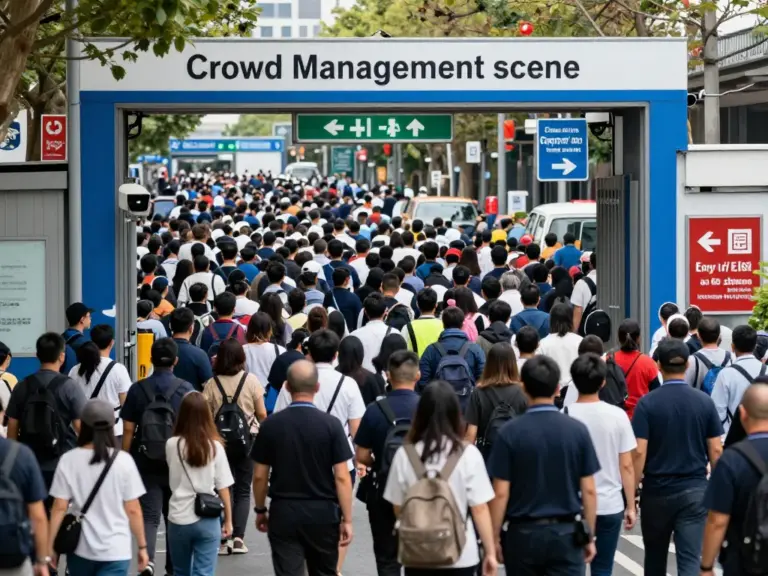
Situational awareness is the ability to perceive, understand, and effectively respond to what is happening in a specific environment. For event organizers and tourism authorities in Thailand, this means monitoring the density and mood of a crowd in real-time. High-density areas like Bangkok’s Khao San Road or the Grand Palace require constant vigilance to identify potential ‘choke points’ where movement might stall.
By utilizing modern technology such as CCTV with AI-driven density analysis and on-ground personnel, authorities can detect early signs of crowd distress. Recognizing the difference between a high-energy festive crowd and a panicked or frustrated one is key to managing crowds safely before an incident escalates.
Strategic Entry and Exit Strategies
One of the most effective ways to maintain order is through the design of entry and exit points. In Thailand’s major venues, flow control is essential. A well-designed strategy avoids ‘bottlenecks’ by ensuring that the rate of people entering does not exceed the capacity of the space or the rate of people leaving.
- One-Way Systems: Implementing directional flow to prevent head-on crowd collisions.
- Staggered Entry: Using timed ticketing or waves to manage the volume of arrivals.
- Clear Signage: Providing bilingual signs (Thai and English) that are elevated and visible from a distance.
For instance, during large-scale concerts in Bangkok’s Rajamangala Stadium, exit paths must be wider than entry paths to facilitate a quick and calm dispersal of the audience after the event concludes.
Developing Comprehensive Emergency Plans
No crowd management strategy is complete without a detailed emergency plan. This involves preparing for scenarios such as medical emergencies, fires, or sudden weather changes—common during Thailand’s monsoon season. Managing crowds safely dictates that every staff member knows their role during a crisis.
| Component | Action Plan |
|---|---|
| Communication | Using P.A. systems and megaphones to provide clear instructions. |
| Medical Access | Establishing ‘clear zones’ for ambulances and first-aid stations. |
| Evacuation | Identifying and marking secondary emergency exits that remain unobstructed. |
Training is paramount. Tourism police and event security should undergo regular drills to practice crowd thinning and evacuation techniques. This proactive approach minimizes panic, which is often the leading cause of injury in crowded environments.
คำถามที่พบบ่อย (FAQ)
References
Tourism Authority of Thailand Newsroom
WHO Guidance on Public Health for Mass Gatherings
- Festival Survival Kit for Thailand: Hydration, Shade, and Crowd Safety Essentials
- Why hydration matters at Thai festivals and how to plan your fluid intake (electrolytes, water schedule, travel bottles)
- Choosing and creating effective shade solutions for humid tropical weather (portable canopies, UV clothing, sun shelters)