When to Go: Understanding Thailand’s Seasons and What Each Means for Your Trip
- When to Go: Understanding Thailand’s Seasons and What Each Means for Your Trip
- Introduction to Thailand’s Climate
- The Cool Season: Optimal Exploration (November to February)
- The Hot Season: Sun and Songkran (March to May)
- The Rainy Season: Lush Landscapes and Fewer Crowds (June to October)
- Choosing Your Perfect Time to Visit: Tailoring Your Trip to Thailand’s Seasons
- คำถามที่พบบ่อย (FAQ)
Planning a trip to Thailand involves more than just picking a destination; it means understanding the country’s unique climate and Thailand’s Seasons. This tropical paradise offers diverse experiences year-round, but each season brings distinct weather patterns, activities, and cultural events. Knowing what to expect can significantly enhance your adventure, whether you’re seeking sun-drenched beaches, lush green landscapes, or vibrant festivals. Let’s explore the three main seasons and how they can shape your ideal Thai getaway.
Introduction to Thailand’s Climate
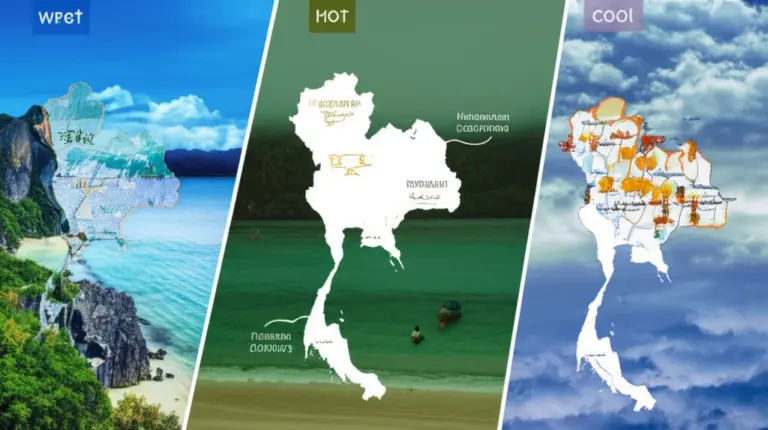
Thailand, nestled in Southeast Asia, boasts a tropical climate influenced by monsoons. This results in generally high temperatures and humidity throughout the year. While the mercury rarely dips low, the country experiences three primary seasons that dictate the rhythm of travel: the cool season, the hot season, and the rainy season. Understanding these Thailand’s Seasons is fundamental for any prospective traveler, as each period presents unique advantages and considerations for different types of activities and destinations. [3, 4, 7]
The Cool Season: Optimal Exploration (November to February)
Often hailed as the best time to visit, Thailand’s cool season runs from November to February. During these months, the northeast monsoon brings dry and relatively cooler air, resulting in pleasant temperatures, lower humidity, and abundant sunshine. Daytime temperatures typically range from a comfortable 24°C to 30°C (75°F to 86°F), making it ideal for outdoor activities. In Northern Thailand, such as Chiang Mai and Chiang Rai, evenings and early mornings can be notably cooler, sometimes dropping to 5°C to 10°C (41°F to 50°F), particularly at higher altitudes. [2, 3, 8, 12, 19, 42]
Weather and Activities
- Perfect Beach Weather: The Andaman Sea coast (Phuket, Krabi, Koh Lanta) and the Gulf of Thailand (Koh Samui, Koh Phangan, Koh Tao) experience calm seas and clear skies, perfect for swimming, snorkeling, scuba diving, and island hopping. [19, 42]
- Trekking and Exploration: Cooler temperatures make exploring national parks like Doi Inthanon and Khao Yai, or the ancient ruins of Ayutthaya and Sukhothai, much more enjoyable. [19, 21, 42]
- City Sightseeing: Bangkok’s bustling markets, majestic temples like Wat Arun and the Grand Palace, and vibrant street life are best experienced in this mild weather. [21, 42]
Festivals and Events
This season is rich with cultural celebrations. November often hosts the enchanting Loy Krathong and Yi Peng festivals, where thousands of lanterns illuminate rivers and skies, creating a breathtaking spectacle. New Year’s Eve is celebrated with fireworks and festivities nationwide, and February brings the vibrant Chiang Mai Flower Festival. [18, 19, 21, 26, 28, 30, 42]
The Hot Season: Sun and Songkran (March to May)
From March to May, Thailand transitions into its hot season, characterized by soaring temperatures and increasing humidity. Temperatures can reach highs of 35°C to 40°C (95°F to 104°F), particularly in the central and northern regions. This period can be intense, but it also offers unique opportunities and one of Thailand’s most famous festivals. [2, 3, 5, 8, 10, 12, 29]
Weather and Activities
- Water-Based Activities: The intense heat makes beaches and water activities particularly appealing. Destinations like Phuket, Krabi, and Koh Samui remain popular for swimming, snorkeling, and diving. [16, 17, 29]
- Island Escapes: The Gulf islands, such as Koh Samui, Koh Phangan, and Koh Tao, are excellent choices, offering cooler sea breezes and refreshing dips. [16, 17]
- National Parks: While hot, some national parks like Khao Yai offer slightly cooler climates due to their elevation, making them good for treks in the early mornings. [16, 17, 22]
Festivals and Events
The highlight of the hot season is undoubtedly Songkran, the traditional Thai New Year, celebrated in April. This nationwide water festival transforms cities into giant water fights, offering a fun and refreshing way to beat the heat and symbolize cleansing and renewal. It’s a truly unique cultural experience. [12, 16, 17, 18, 20, 21, 28, 30, 31]
The Rainy Season: Lush Landscapes and Fewer Crowds (June to October)
Often misunderstood, Thailand’s rainy season (also known as the monsoon or green season) typically runs from June to October. While it does rain, it rarely pours all day. Instead, you can expect short, intense downpours, usually in the late afternoon or early evening, which quickly give way to sunshine. This period transforms the landscape into a vibrant, lush green paradise. [2, 9, 12, 14, 15, 23, 37, 38]
Weather and Activities
- Lush Nature: The rain invigorates the country’s flora, making waterfalls powerful and jungles incredibly verdant. It’s an excellent time for nature lovers and photographers. [9, 12, 15, 37]
- Regional Variations: Crucially, the Gulf of Thailand islands (Koh Samui, Koh Phangan, Koh Tao) often experience less rainfall during June to September compared to the Andaman coast, making them a better choice for beach holidays during the early monsoon. The Andaman coast, however, is best avoided for beach activities during these months due to rougher seas. [4, 5, 8, 23, 39]
- Indoor Exploration: Cities like Bangkok and Chiang Mai offer numerous indoor activities such as cooking classes, spa treatments, shopping in modern malls, and visiting temples with covered walkways. [9, 14, 15, 39]
Festivals and Events
Fewer tourists mean a more authentic cultural experience. Festivals like Phi Ta Khon (Ghost Festival) in June and the Ubon Ratchathani Candle Festival in July offer unique insights into local traditions. The Phuket Vegetarian Festival in September/October is another notable event, though it is quite intense. [17, 18, 26, 31]
Choosing Your Perfect Time to Visit: Tailoring Your Trip to Thailand’s Seasons
The ‘best’ time to visit Thailand truly depends on your priorities. Here’s a quick guide to help you decide:
- For Beach Lovers & First-Timers: The cool season (November to February) offers consistently beautiful weather across most of the country, ideal for classic beach holidays and extensive sightseeing.
- For Festival Enthusiasts & Water Fun: The hot season (March to May), particularly April, is perfect for experiencing Songkran and enjoying water-based activities, despite the heat.
- For Budget Travelers & Nature Seekers: The rainy season (June to October) provides significant savings, fewer crowds, and stunningly vibrant landscapes. Focus on the Gulf islands during June-September or leverage indoor activities in cities.
Regardless of when you choose to go, Thailand’s warm climate and welcoming spirit promise a memorable trip. Being prepared for the specific weather conditions of your chosen season will ensure a smoother and more enjoyable journey. Don’t let the term ‘rainy season’ deter you; with flexible planning, it can reveal a more authentic and serene side of the country. [2, 9, 14, 23, 37]
คำถามที่พบบ่อย (FAQ)
References
- G Adventures – Navigating Thailand’s weather like a pro
- Climate to Travel – Thailand climate: average weather, temperature, rain, when to go
- Met Office – Thailand holiday weather
- YouTube – Thailand Weather Secrets Every Traveler Needs To Know!
- ThaiPod101 – 10 Things to Do in the Summer in Thailand
- Black Tomato – A guide to Thailand festivals