Best Ways to Experience Community-Based Tourism Responsibly in Thailand
- Best Ways to Experience Community-Based Tourism Responsibly in Thailand
Thailand is more than just bustling night markets and pristine beaches; it is a tapestry of diverse cultures, ancient traditions, and warm hospitality. To truly connect with the heart of the country, many travelers are turning to community-based tourism (CBT). Learning the best ways to experience community-based tourism responsibly in Thailand allows you to contribute directly to local economies, preserve cultural heritage, and create meaningful connections that transcend the typical tourist experience.
Understanding Community-Based Tourism
Community-based tourism is an approach where local residents manage and develop tourism activities in their own areas. Unlike mass tourism, which often leads to wealth leakage, CBT ensures that income remains within the community. When you engage in this type of travel, you aren’t just a visitor; you become a partner in the community’s sustainable development.
1. Choose Homestays Over Luxury Hotels
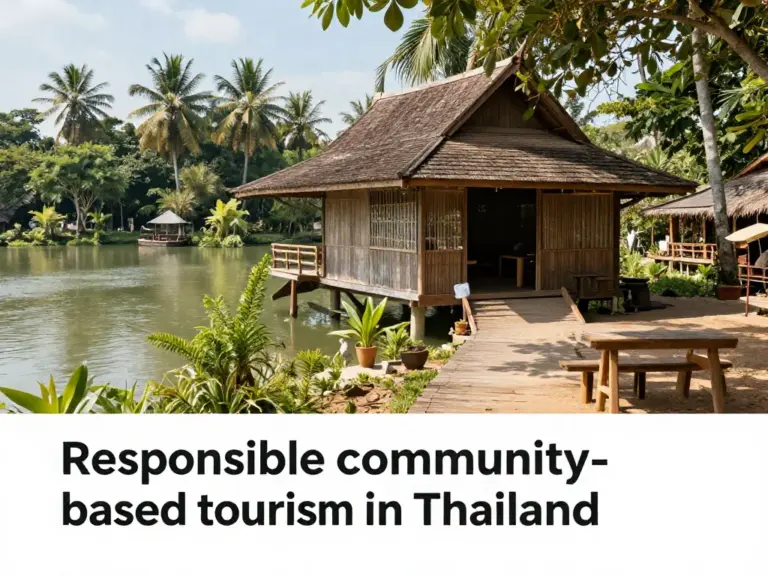
One of the most immersive ways to experience community-based tourism responsibly in Thailand is by staying in a local homestay. This isn’t just accommodation; it is an invitation into a family’s daily life. You will likely share meals, help with daily chores, or learn about traditional crafts directly from your hosts. It fosters genuine cultural exchange that a hotel simply cannot provide.
2. Prioritize Locally-Led Tours
Instead of booking large, international tour operators, seek out local guides who are members of the village. These guides possess indigenous knowledge about their environment, history, and customs. Whether it is trekking in the northern mountains or exploring mangrove forests in the south, a local guide ensures you respect the terrain and understand the significance of the sites you visit.
3. Respect Cultural Protocols and Etiquette
Responsible tourism begins with respect. When entering rural villages, be mindful of local customs. This often includes dressing modestly, especially when visiting temples or community spaces. Always ask for permission before taking photographs of people or private homes. By being observant and humble, you show that you value their culture, which strengthens the bonds of trust between the community and visitors.
Key Principles of Responsible Interaction
- **Dress Modestly:** Cover shoulders and knees, especially in rural areas.
- **Ask First:** Always seek permission before photographing locals.
- **Avoid Plastic:** Bring your own reusable water bottle to minimize waste in sensitive environments.
- **Support Local Crafts:** Buy souvenirs directly from the artisans who make them.
4. Engage with Traditional Crafts and Skills
Many Thai communities are renowned for their unique crafts—be it indigo-dyed textiles in the North or intricate basketry in the Northeast. Participating in workshops where you learn these skills is a fantastic way to support the local economy. It keeps traditional knowledge alive and demonstrates to the younger generation that their heritage has value in the modern world.
5. Mind Your Environmental Footprint
Community-based tourism often takes place in ecologically sensitive areas. To travel responsibly, adhere to the principle of “Leave No Trace.” Stick to marked trails, avoid disturbing wildlife, and be conscious of your water usage. Many rural communities in Thailand face challenges with water scarcity and waste management, so your mindfulness goes a long way in preserving the environment for future generations.
คำถามที่พบบ่อย (FAQ)
What is the main benefit of community-based tourism in Thailand?
The primary benefit is that it ensures tourism revenue directly supports local families and community development projects, rather than external corporations, while preserving local culture and environment.
How do I find reputable community-based tourism projects?
Look for programs endorsed by the Thailand Community Based Tourism Institute (CBT-I) or check official Tourism Authority of Thailand (TAT) resources that specifically highlight village-based experiences.
Do I need to speak Thai to participate?
While not required, learning a few basic Thai phrases is highly appreciated and shows respect. Most established CBT programs will have local guides who can facilitate communication.