What Is Community-Based Tourism in Thailand and Why Does It Matter?
- What Is Community-Based Tourism in Thailand and Why Does It Matter?
Travelers today are increasingly looking for more than just a beachside retreat or a bustling city market. They are seeking connection, authenticity, and a way to leave a positive impact on the places they visit. This shift in traveler values has brought the concept of community-based tourism in Thailand to the forefront of the travel industry. But what exactly does this mean, and why is it becoming such a vital part of the Kingdom’s travel narrative?
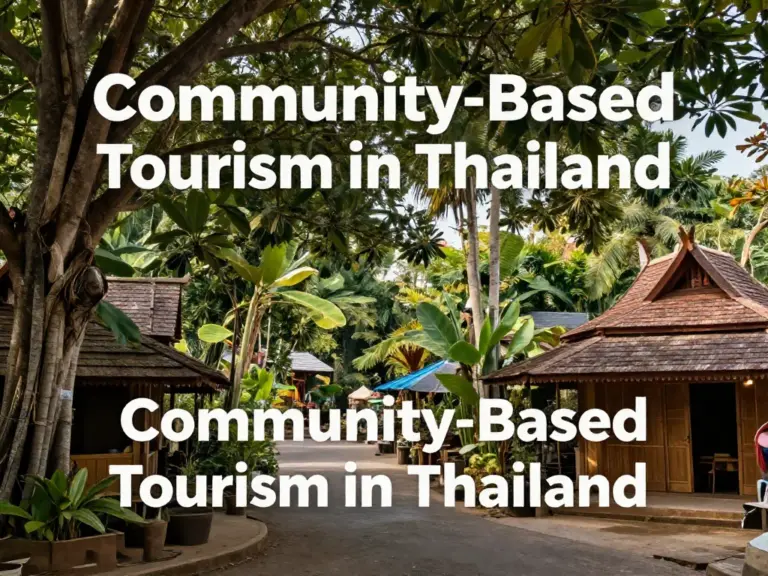
At its core, community-based tourism (CBT) is a form of travel that is managed and owned by the local community. Instead of profits flowing to large, international hotel chains or tour operators, the revenue generated stays within the village or the local region. When you participate in community-based tourism in Thailand, you aren’t just a visitor; you are a partner in the development of that specific area. It offers an immersive experience where you learn about local traditions, craft, and way of life directly from the people who live there.
Understanding Community-Based Tourism in Thailand
Unlike mass tourism, which often leads to the commodification of culture, community-based tourism in Thailand is designed to be sustainable. It emphasizes the preservation of natural resources and the cultural heritage of the community. In these programs, local people act as guides, hosts, and organizers, ensuring that the tourism activities align with their cultural values and capacity. For travelers, this means an authentic glimpse into Thai life that is rarely found in commercial guidebooks.
Why Does It Matter?
The significance of this tourism model cannot be overstated. It matters because it empowers local voices. In rural Thailand, where agriculture has long been the primary source of income, tourism provides a vital secondary revenue stream that helps keep families together rather than forcing younger generations to migrate to Bangkok for work. By keeping the economy vibrant, these communities can invest in better education, healthcare, and infrastructure.
Preservation of Cultural Heritage
When communities realize that their traditional crafts, weaving techniques, or culinary practices are valued by visitors, they are much more likely to preserve them. CBT turns the local culture into a source of pride rather than something to be discarded in favor of modernization. Travelers get to participate in workshops—perhaps learning to make indigo-dyed cloth in Sakon Nakhon or cooking traditional Northern Thai dishes in a local home.
Environmental Stewardship
Community-based tourism in Thailand is inherently tied to the land. Because the community members live in these areas, they have a vested interest in keeping their rivers clean, their forests intact, and their air breathable. Visitors often find themselves participating in reforestation projects, community clean-ups, or eco-trekking activities that highlight the natural biodiversity of the region.
How to Experience CBT Responsibly
If you are planning to support these initiatives, it is essential to do so responsibly. Start by researching community-led projects rather than booking through massive aggregators. Look for initiatives that have transparent financial models where it is clear that the money goes back into the community fund. Respect the local customs, dress modestly, and always ask for permission before taking photographs of residents or their homes. Your presence is a privilege, and treating it as such is the hallmark of a responsible traveler.
คำถามที่พบบ่อย (FAQ)
Is community-based tourism in Thailand expensive?
Generally, no. In fact, it is often more affordable than luxury commercial tours. Because you are dealing directly with the community, you avoid the high markups of middle-men agencies. The prices are usually set to cover fair wages for the villagers and to contribute to a community development fund.
Do I need to speak Thai to participate?
While knowing basic Thai phrases is always appreciated and helps build rapport, it is not strictly necessary. Most community-based tourism programs have English-speaking coordinators or guides from within the village who are eager to facilitate communication and exchange.
Where can I find these community-based tourism projects?
There are community-based tourism projects all over Thailand. Popular regions include the northern mountains of Chiang Mai and Chiang Rai, the coastal villages of the south, and the rural heartlands of Isan. It is recommended to check the official Tourism Authority of Thailand website for certified community projects.