How Community-Based Tourism Directly Supports Local Villages and Families
- How Community-Based Tourism Directly Supports Local Villages and Families
- The Economic Ripple Effect of Community-Based Tourism
- Cultural Preservation Through Tourism
- Environmental Stewardship and Sustainability
- How to Travel Responsibly in Thailand
- คำถามที่พบบ่อย (FAQ)
- What is community-based tourism?
- How does my visit help local families?
- Is community-based tourism sustainable?
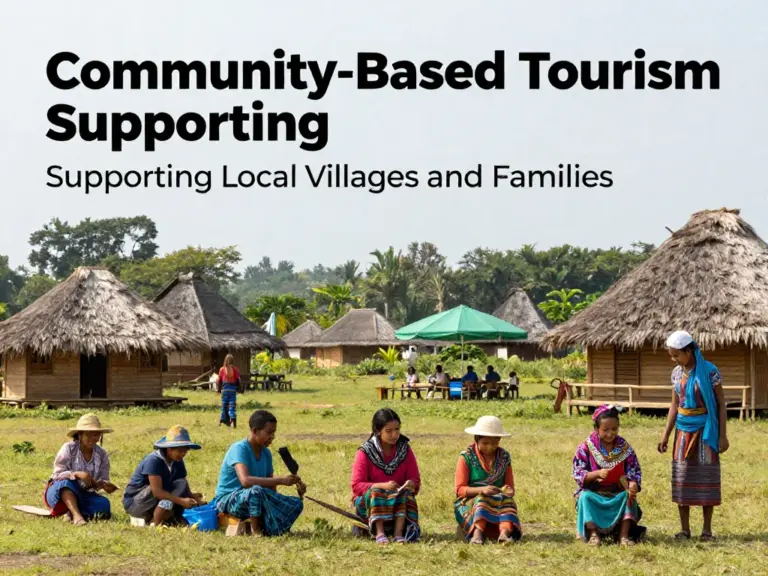
In the heart of Thailand, a transformative movement is reshaping the travel industry. Beyond the bustling streets of Bangkok and the crowded beaches of Phuket, a quiet revolution is taking place in rural provinces. Community-based tourism (CBT) has emerged as a beacon of hope for remote villages, offering a sustainable path that directly supports local families while preserving the rich tapestry of Thai culture. When travelers choose to engage with authentic, community-led experiences, they are not just taking a vacation—they are investing in the future of the people who call these landscapes home.
Unlike mass tourism, which often leads to ‘leakage’—where profits flow back to international corporations rather than the local area—community-based tourism ensures that the economic benefits remain within the village. By participating in homestays, local workshops, and guided tours led by villagers, visitors contribute directly to the financial stability of households, funding education, infrastructure improvements, and healthcare.
The Economic Ripple Effect of Community-Based Tourism
At its core, the economic model of community-based tourism is designed to be inclusive. In rural Thai villages, income from tourism is often managed collectively or distributed among participating families, ensuring that the wealth generated is spread equitably. This creates a powerful ripple effect that touches every member of the community.
Direct Economic Benefits
- Employment Diversification: Villagers can supplement farming income with roles as guides, cooks, or artisans.
- Infrastructure Funding: Profits are often pooled to repair roads, improve water systems, and build communal spaces.
- Youth Retention: When tourism provides a viable livelihood, young people are less likely to migrate to cities, keeping families together.
Cultural Preservation Through Tourism
One of the most profound impacts of this model is the preservation of intangible cultural heritage. When local traditions, crafts, and culinary arts are valued by visitors, they gain renewed significance in the eyes of the younger generation. Whether it is learning the intricate process of natural indigo dyeing in Sakon Nakhon or understanding the spiritual significance of Northern Thai temple architecture, travelers play a crucial role in validating these practices.
Why Authentic Engagement Matters
Authentic engagement goes beyond a simple transaction. It is about creating a dialogue between the visitor and the host. When tourists take the time to learn about the history of a village, they are actively participating in the documentation and celebration of that history. This mutual respect fosters a sense of pride within the community, encouraging villagers to protect the natural environments and historical sites that make their home unique.
Environmental Stewardship and Sustainability
Community-based tourism in Thailand is inherently linked to environmental conservation. Because the community owns the tourism product, they have a vested interest in maintaining the health of their local ecosystems. From mangrove reforestation projects in the south to sustainable farming initiatives in the north, these communities are leading the charge in protecting Thailand’s natural beauty.
| Initiative | Environmental Impact |
|---|---|
| Agro-tourism | Promotes organic farming and reduces chemical runoff. |
| Community-led Trekking | Prevents over-tourism and protects wildlife habitats. |
| Waste Management | Villages implement recycling programs to keep areas pristine for visitors. |
How to Travel Responsibly in Thailand
If you are planning your next trip to Thailand, consider incorporating community-based tourism into your itinerary. Start by researching official tourism resources that highlight certified community enterprises. Look for homestays where you can learn about local life directly from the source. Remember, your goal is to be a guest, not just a spectator. Engage with your hosts, respect local customs, and purchase souvenirs directly from the artisans who made them. By making conscious choices, you ensure that your travel budget directly supports the people who make Thailand so special.
คำถามที่พบบ่อย (FAQ)
What is community-based tourism?
Community-based tourism is a form of travel where local residents are involved in the management, development, and delivery of tourism experiences, ensuring that benefits are shared within the community.
How does my visit help local families?
By staying in local homestays, hiring local guides, and purchasing local crafts, your money goes directly to the village economy rather than international intermediaries, supporting local livelihoods.
Is community-based tourism sustainable?
Yes. Because the community owns the tourism assets, they are highly motivated to preserve their environment and culture, making it one of the most sustainable forms of travel.