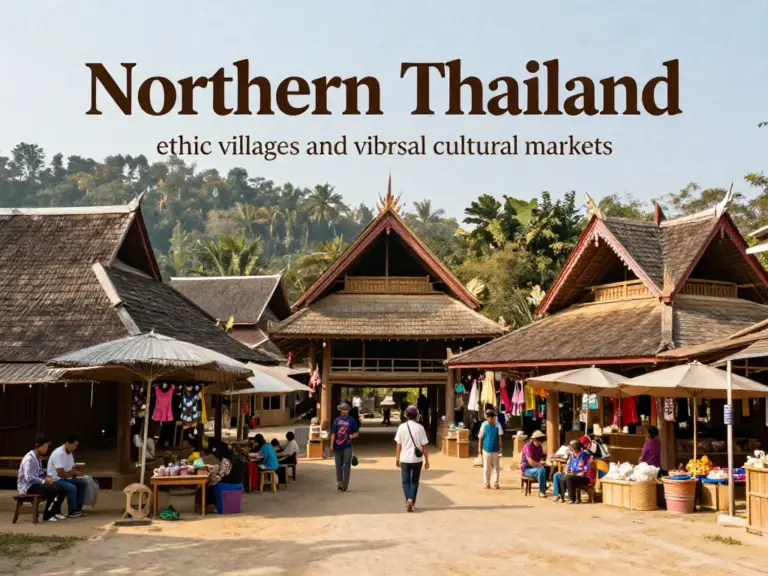
H2: Where to Experience Thailand’s Ethnic Diversity: Northern Villages, Markets, and Cultural Destinations
Thailand is more than just pristine beaches and bustling city life; it is a rich tapestry of cultures, languages, and traditions. For travelers seeking a deeper connection, exploring Thailand’s ethnic diversity offers a profound journey into the heart of the North. From the misty mountains of Chiang Rai to the remote valleys of Mae Hong Son, the region is home to various hill tribe communities, each with its own distinct heritage.
Understanding the Cultural Tapestry of Northern Thailand
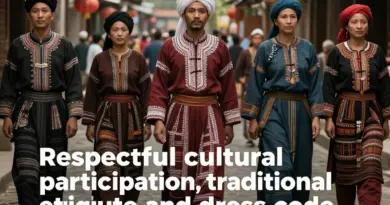
The northern highlands of Thailand serve as a sanctuary for several ethnic groups, including the Karen, Hmong, Lahu, Akha, and Lisu people. These communities have preserved their ancestral customs, textile arts, and spiritual beliefs despite the rapid modernization of the country. Engaging with these groups is not just a sightseeing opportunity; it is an exercise in cultural exchange and respect. By visiting community-based tourism initiatives, travelers contribute directly to the local economy and help preserve these unique ways of life.
Top Destinations to Experience Authentic Hill Tribe Culture
If you are wondering where to witness the living history of the North, these destinations are essential stops on your itinerary:
- Mae Hong Son: Known as the ‘City of Three Mists,’ this province is a melting pot of Shan, Karen, and Hmong cultures. It offers a slower pace of life and authentic interactions far from the mass tourism circuits.
- Chiang Rai (Doi Mae Salong): Famous for its tea plantations and Chinese-settler history, this area is also home to diverse hill tribe villages where you can observe traditional farming techniques.
- Nan Province: Often overlooked, Nan provides a deeply immersive experience into the lives of the Lua and H’tin people, set against a backdrop of stunning, unspoiled mountains.
Engaging with Local Markets and Craftsmanship
One of the most accessible ways to appreciate Thailand’s ethnic diversity is through local markets. Markets like the Sunday Walking Street in Chiang Mai or the smaller, rustic markets in Mae Sariang often feature stalls run by hill tribe artisans. Here, you can find intricate embroidery, silver jewelry, and hand-woven textiles that tell stories of generations of craftsmanship. These markets are the perfect place to learn about the significance of specific patterns and colors, which often denote social status, age, or marital status within the tribe.
คำถามที่พบบ่อย (FAQ)
Yes, provided you choose community-based tourism programs. These initiatives ensure that the income generated benefits the village directly and respects the privacy and dignity of the local residents.
The cool season, from November to February, is ideal. The weather is comfortable for trekking and exploring, and it coincides with many traditional festivals.
Always ask for permission first. Many hill tribe members are happy to have their photo taken, but it is a sign of respect to establish rapport and ask before capturing their image.
References
For more information on planning your cultural trip to Northern Thailand, visit the Tourism Authority of Thailand official website.