Overview of Thailand’s Major Festivals by Season and Region — What to Expect, Best Times to Visit, and Key Cultural Significance for Travelers and Locals
- Overview of Thailand’s Major Festivals by Season and Region — What to Expect, Best Times to Visit, and Key Cultural Significance for Travelers and Locals
Thailand, often called the ‘Land of Smiles,’ is a country rich in vibrant traditions and deep cultural roots. These are spectacularly showcased through its numerous festivals, offering both locals and travelers a unique glimpse into the heart and soul of Thai society. Understanding Thailand’s Major Festivals by season and region is key to experiencing the country’s dynamic spirit. From ancient rituals to joyous celebrations, each event carries profound cultural significance, rooted in Buddhist beliefs, agricultural cycles, and historical events. This guide explores the seasonal calendar of these captivating festivals, regional specialties, what visitors can expect, the best times to plan a trip around them, and their enduring importance to the Thai people.
Thailand’s Festivals by Season: A Cultural Calendar
Thailand’s climate typically features three main seasons: the cool season, the hot season, and the rainy season. Each brings its own set of unique celebrations.
Cool Season (November – February): Festivals of Light and Bloom
The cool season is arguably the most popular time to visit Thailand, offering pleasant temperatures and clear skies. It’s also when some of the country’s most enchanting festivals take place.
- Loy Krathong (November): Celebrated on the full moon night of the 12th lunar month, Loy Krathong sees Thais release small, beautifully decorated ‘krathongs’ (floating baskets) onto rivers, canals, and lakes. This act symbolizes letting go of misfortunes and bad feelings, and making wishes for the future. It’s a truly picturesque and serene event.
- Yi Peng (Lantern Festival – November): Often coinciding with Loy Krathong, especially in Northern Thailand (most famously Chiang Mai), Yi Peng involves releasing thousands of sky lanterns (khom loi) into the night sky. The sight of countless glowing lanterns ascending creates an unforgettable, magical spectacle.
- Chiang Mai Flower Festival (February): Held annually on the first weekend of February, this festival transforms Chiang Mai into a vibrant wonderland of floral displays. Elaborately decorated floats parade through the city, alongside traditional dance performances and beauty pageants.
- New Year Celebrations (December 31st – January 1st): While not unique to Thailand, the country embraces the Gregorian New Year with fireworks, concerts, and countdown events, particularly in major cities like Bangkok and Chiang Mai.
Hot Season (March – May): The Splashing New Year
As temperatures soar, Thailand cools down with its most famous and boisterous festival.
- Songkran (Thai New Year – April 13th-15th): This is perhaps the most well-known of Thailand’s Major Festivals. Songkran is celebrated nationwide as a massive water fight, symbolizing cleansing and renewal. Beyond the playful splashing, it’s a deeply spiritual time when Thais visit temples, make merit, and pay respects to elders. Major cities like Bangkok, Chiang Mai, and Pattaya become epicenters of joyful chaos.
- Rocket Festivals (Bun Bang Fai – May): Predominantly celebrated in the Northeastern (Isaan) region, these festivals involve launching homemade rockets into the sky to encourage rainfall for the upcoming rice planting season. They are lively events with parades, traditional music, and often a competitive spirit.
Rainy Season (June – October): Unique Traditions and Spiritual Depth
While the rainy season brings lush landscapes and fewer crowds, it also hosts some truly unique cultural events.
- Phi Ta Khon (Ghost Festival – June/July): Held in Dan Sai, Loei Province (Isaan), this vibrant and quirky festival combines animist and Buddhist beliefs. Participants wear elaborate, colorful ghost masks and costumes, parading through the town. It’s a lively celebration with roots in Buddhist tales of the Buddha’s last great incarnation.
- Khao Phansa (Buddhist Lent – July): Marking the beginning of the three-month Buddhist Lent, this period sees monks retreat to temples for meditation and study. Laypeople often bring offerings, and candle festivals are held in various provinces, most notably Ubon Ratchathani, featuring intricate wax carvings.
- Phuket Vegetarian Festival (September/October): This intense and fascinating festival, primarily observed by the Chinese community in Phuket, involves a strict vegetarian diet and various acts of self-mutilation by mediums (mah song) to invoke the gods. It’s a powerful display of devotion and faith.
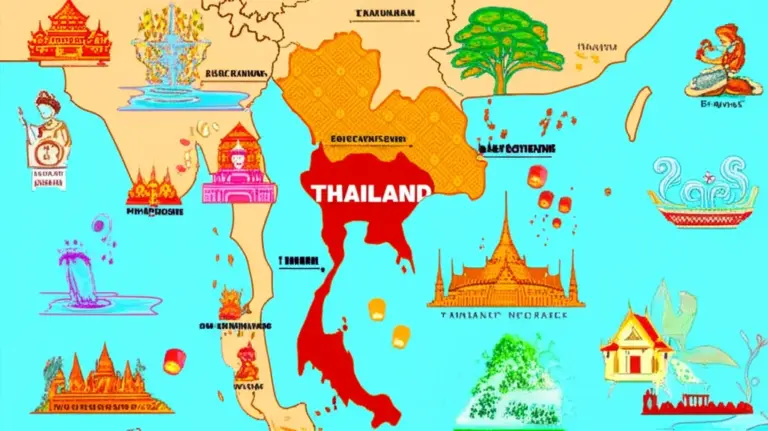
Regional Highlights: Where to Experience the Best
While some festivals are celebrated nationwide, many have distinct regional flavors and traditions.
| Region | Key Festivals | Unique Aspects |
|---|---|---|
| Northern Thailand (e.g., Chiang Mai, Sukhothai) | Loy Krathong, Yi Peng, Flower Festival | Chiang Mai is the epicenter for Yi Peng’s sky lanterns. Sukhothai’s Loy Krathong is particularly atmospheric amidst historical ruins. |
| Central Thailand (e.g., Bangkok, Ayutthaya) | Songkran, Loy Krathong, Royal Ploughing Ceremony | Bangkok hosts massive Songkran water fights and sophisticated Loy Krathong events along the Chao Phraya River. Ayutthaya offers a historical backdrop for Loy Krathong. |
| Northeastern Thailand (Isaan) (e.g., Yasothon, Loei) | Rocket Festivals (Bun Bang Fai), Phi Ta Khon (Ghost Festival) | Known for its lively and unique local traditions, these festivals are deeply integrated with agricultural cycles and local folklore. |
| Southern Thailand (e.g., Phuket, Hat Yai) | Phuket Vegetarian Festival, Songkran | Phuket’s Vegetarian Festival is a powerful and intense spectacle. Coastal areas celebrate Songkran with beach parties and water splashing. |
What to Expect as a Traveler
Attending Thailand’s Major Festivals offers an unparalleled cultural immersion. Expect:
- Crowds: Popular festivals, especially Songkran and Loy Krathong, draw massive crowds, both local and international. Book accommodations and transport well in advance.
- Participation: Many festivals, particularly Songkran, encourage active participation. Be prepared to get wet and join in the fun!
- Respect for Traditions: While fun is encouraged, remember the spiritual and religious significance of many festivals. Dress modestly when visiting temples, and always be respectful of local customs.
- Planning: Festival dates, especially those based on the lunar calendar, can vary each year. Check official tourism websites for confirmed dates.
Pro Tip for Travelers:
For a truly immersive experience, try to learn a few basic Thai phrases. Locals appreciate the effort, and it can enhance your interactions during these festive times.
Key Cultural Significance for Locals
For Thais, these festivals are far more than mere holidays; they are integral to their way of life and cultural identity.
- Merit-Making: Many festivals are deeply rooted in Buddhist practices, offering opportunities to make merit (tham bun) by visiting temples, offering food to monks, and participating in religious ceremonies.
- Family & Community Bonds: Festivals are prime times for families to reunite, pay respects to elders, and strengthen community ties. They foster a sense of belonging and shared heritage.
- Preservation of Traditions: Through these celebrations, ancient customs, beliefs, and art forms are passed down through generations, ensuring the continuity of Thai culture.
- Gratitude & Renewal: Whether it’s thanking the water goddess during Loy Krathong or cleansing away misfortune during Songkran, many festivals embody themes of gratitude, purification, and new beginnings.
Best Times to Visit for Festivals
The ‘best’ time to visit Thailand largely depends on which festival experience you seek.
- November – February (Cool Season): Ideal for those seeking comfortable weather and the enchanting beauty of Loy Krathong and Yi Peng. This is peak tourist season, so expect higher prices and larger crowds. [2, 3, 5, 8]
- April (Hot Season): Perfect for travelers who want to experience the exhilarating fun of Songkran. Be prepared for high temperatures and widespread water activities. [3, 8]
- September – October (Rainy Season): A good time for those interested in the unique cultural depth of the Phuket Vegetarian Festival or the regional charm of Isaan’s festivals, often with fewer tourists and lower prices. [3, 5, 9]
คำถามที่พบบ่อย (FAQ)
What is the most famous festival in Thailand?
The most famous festival in Thailand is undoubtedly Songkran, the Thai New Year, celebrated from April 13th to 15th. It’s known globally for its vibrant and nationwide water fights, symbolizing purification and new beginnings. [3, 6, 11]
When is the best time to visit Thailand to experience festivals?
The best time to visit Thailand for festivals depends on the type of festival you wish to experience. The cool season (November to February) is ideal for the visually stunning Loy Krathong and Yi Peng. April is perfect for Songkran. Generally, November to February offers the most comfortable weather for travel alongside significant festivals. [2, 3, 5, 8]
What is the cultural significance of Loy Krathong?
Loy Krathong holds deep cultural significance as a way to pay respect to the water goddess, Phra Mae Khongkha, for providing water and to ask for forgiveness for polluting the waters. Floating the krathong also symbolizes releasing misfortunes and bad feelings from the past year and making wishes for the future. [6, 12, 15]
Are there any festivals in Thailand during the rainy season?
Yes, there are several significant festivals during Thailand’s rainy season (June to October). Notable examples include Phi Ta Khon (Ghost Festival) in Loei, Khao Phansa (Buddhist Lent) with its impressive candle festivals, and the intense Phuket Vegetarian Festival. These offer unique cultural insights and are often less crowded than peak season festivals. [3, 9]
Conclusion
Thailand’s Major Festivals are more than just events on a calendar; they are living expressions of the nation’s rich heritage, deep-seated beliefs, and joyous spirit. From the ethereal glow of Yi Peng lanterns to the exhilarating splashes of Songkran, each festival offers a profound connection to Thai culture. For travelers, participating in these celebrations is an unforgettable experience, while for locals, they are vital moments of community, family, and spiritual renewal. Planning your visit around these vibrant festivities promises an immersive journey into the heart of the Land of Smiles.
References
- Agoda.com – Best Time to Visit Thailand: Festivals and Sunshine Await
- DHT Holidays – Best Time To Visit Thailand: Weather And Festivals You Can’t Miss
- Fanclubthailand.co.uk – Thailand Festivals
- Travel + Leisure – The Best Times to Visit Thailand for Great Weather, Low Prices, and Fun Festivals
- Amphawa Floating Market – Thailand’s Festival Calendar: A Year-Round Celebration Guide
- Responsible Travel – Best time to visit Thailand
- Asia Highlights – Best & Worst Time to Visit Thailand
- Thaizer – Thailand Events & Festivals
- ThaiEmbassy.com – Major Thai Festivals and Events
- TakeMeTour – Public Holidays and Festivals in Thailand
- Thailand’s Festivals and Events: The Ultimate Calendar of Unforgettable Cultural Celebrations
- Songkran, Loy Krathong, and Other Highlight Events — Traditions, Rituals, Safety Tips, and How to Experience Them Authentically
- Regional and Niche Celebrations Worth Travel Planning — Loi Prathip, Phi Ta Khon, Bun Bang Fai, and Local Long-tail Festival Searches for Trip Itineraries