How to choose authentic CBT experiences: vetting operators, certifications, and red flags to avoid exploitation
- How to choose authentic CBT experiences: vetting operators, certifications, and red flags to avoid exploitation
- Understanding Authentic Community-Based Tourism (CBT) in Thailand
- Vetting CBT Operators: Key Questions and Considerations
- Certifications and Recognitions: What to Look For
- Red Flags to Avoid Exploitation in Thai Tourism
- Tips for a Truly Responsible CBT Experience in Thailand
- Conclusion
- คำถามที่พบบ่อย (FAQ)
Thailand, renowned for its vibrant culture, stunning landscapes, and warm hospitality, offers an increasing number of Community-Based Tourism (CBT) opportunities. These experiences promise a deeper immersion into local life, directly benefiting the communities you visit. However, navigating the landscape of CBT can be challenging. To ensure you’re truly engaging in authentic CBT experiences and not contributing to exploitation, it’s crucial to understand how to vet operators, recognize legitimate certifications, and identify potential red flags. This guide will empower you to make informed choices, fostering responsible and enriching travel in the Land of Smiles.
Understanding Authentic Community-Based Tourism (CBT) in Thailand
Community-Based Tourism (CBT) is a form of sustainable tourism that allows visitors to experience local culture, traditions, and environments, while directly supporting the economic and social well-being of the host community. In Thailand, CBT often involves staying in local homes (homestays), participating in traditional activities like cooking, farming, or craft-making, and exploring natural areas with local guides. The core principle is that the community itself manages and benefits from the tourism activities, ensuring that profits remain local and that cultural integrity and environmental sustainability are prioritized. It’s about genuine interaction and mutual respect, moving beyond superficial tourist attractions to foster real connections.
Why Authenticity Matters for Your Thai Adventure
- Ethical Impact: Authentic CBT ensures your travel money directly benefits local families and projects, rather than being siphoned off by external corporations.
- Cultural Preservation: It supports the continuation of traditional practices, languages, and local heritage.
- Environmental Stewardship: Many CBT initiatives are deeply rooted in preserving the natural environment that sustains the community.
- Enriched Experience: For the traveler, it offers a profoundly more meaningful and memorable experience than conventional tourism, fostering a deeper understanding of Thailand.
Vetting CBT Operators: Key Questions and Considerations
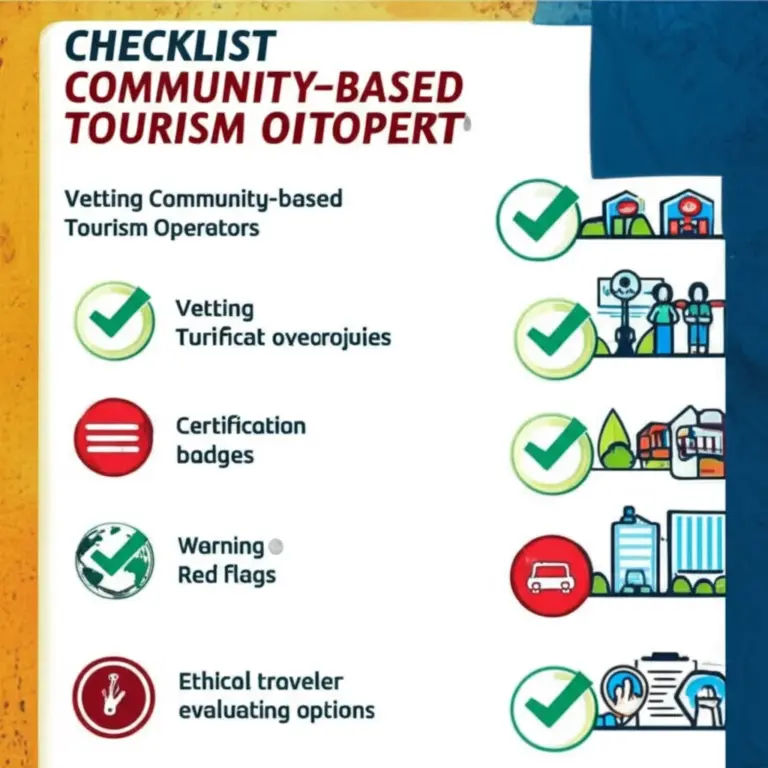
Choosing the right CBT operator is paramount to ensuring your experience is genuinely authentic and beneficial. Don’t be afraid to ask probing questions and do your homework. Here’s what to look for when seeking authentic CBT experiences:
| Criteria | Questions to Ask / What to Look For |
|---|---|
| Community Ownership & Involvement |
|
| Fair Wages & Working Conditions |
|
| Cultural Respect & Preservation |
|
| Environmental Sustainability |
|
| Transparency & Communication |
|
A good operator will be proud to share details about their community engagement and sustainable practices. Be wary of those who are vague or deflect questions about these crucial aspects.
Certifications and Recognitions: What to Look For
While not all authentic CBT initiatives will have formal certifications (especially smaller, grassroots projects), certain recognitions can provide an extra layer of assurance. In Thailand, look for:
- Thailand Community Based Tourism Institute (CBT-I): This organization works to develop and promote responsible CBT across Thailand. Operators associated with CBT-I are likely to adhere to ethical standards.
- Green Leaf Foundation: While broader than just CBT, this certification indicates a commitment to environmental protection and sustainable tourism practices in general.
- Local Government Endorsements: Some provincial or district tourism offices may endorse specific CBT projects.
- International Sustainable Tourism Certifications: Organizations like Green Destinations or the Global Sustainable Tourism Council (GSTC) endorse various sustainable tourism initiatives globally. While less common for small CBT projects, larger, well-established ethical tour operators might hold such certifications.
Always remember that a certificate is only as good as the practices behind it. Use certifications as a starting point for further investigation, not as the sole determinant.
Important Note on Elephant Tourism
When considering any animal-related tourism, especially elephant sanctuaries, exercise extreme caution. Many places marketed as ‘sanctuaries’ or ‘rescues’ still engage in exploitative practices like elephant riding, bathing with tourists, or performances. For truly ethical elephant experiences, look for venues that strictly prohibit direct interaction, riding, and prioritize the elephants’ natural behaviors and welfare above all else. Research organizations like the World Animal Protection’s ‘Wildlife. Not Entertainers’ campaign for guidance.
Red Flags to Avoid Exploitation in Thai Tourism
While the desire to have authentic CBT experiences is strong, it’s crucial to be aware of practices that might indicate exploitation or greenwashing. Here are some red flags to watch out for:
- Unrealistically Low Prices: If an experience seems too cheap for what it offers, it often means someone in the supply chain (usually the local community) is not being paid fairly.
- Lack of Clear Community Benefit: If the operator cannot articulate how the community benefits, or if it seems all profits go to an external company, be suspicious.
- Staged or Artificial Interactions: “Cultural performances” that feel inauthentic, or interactions that seem forced and lacking genuine connection, are red flags.
- Heavy Sales Pressure: Aggressive selling of souvenirs or additional services by community members can indicate pressure from external operators.
- Animal Exploitation: As mentioned, any activity involving direct interaction or performance with wild animals (especially elephants, tigers, monkeys) is a major red flag.
- Voluntourism Scams: Programs offering short-term, unskilled volunteer work (especially with children or animals) that charge high fees and lack transparency about where the money goes.
- Disrespectful Practices: Operators promoting activities that are culturally insensitive or environmentally damaging (e.g., littering, taking protected items).
- Lack of Local Language & Guides: If all communication is in English and local guides are absent or marginalized, it suggests a top-down, external operation.
Your vigilance as a traveler is a powerful tool against exploitation. By being informed, you can help steer the tourism industry towards more ethical and sustainable practices.
Tips for a Truly Responsible CBT Experience in Thailand
To maximize the positive impact of your trip and ensure you have truly authentic CBT experiences, consider these practical tips:
- Do Your Research Thoroughly: Utilize online resources, reputable travel blogs, and ethical tourism organizations to find well-regarded CBT projects.
- Book Directly or Through Ethical Agents: Where possible, book directly with the community or through a travel agent specializing in responsible and sustainable tourism.
- Be Open-Minded and Flexible: Rural community life can be different from what you’re used to. Embrace the differences and be prepared for less luxury but more authenticity.
- Learn Basic Thai Phrases: Even a few words like ‘Sawasdee’ (hello) and ‘Khop Khun’ (thank you) can go a long way in showing respect and fostering connection.
- Respect Local Customs and Dress Codes: Especially when visiting temples or rural villages, dress modestly.
- Support Local Crafts and Products: Purchase souvenirs directly from artisans in the community to ensure they receive the full benefit.
- Minimize Your Environmental Impact: Follow responsible tourism guidelines – reduce waste, conserve water, and respect wildlife.
Engaging in CBT is an opportunity to be a part of something bigger than just a vacation. It’s about contributing positively to the places and people you encounter.
Video: Community-Based Tourism in Thailand. Source: GLP Films.
Conclusion
Choosing authentic CBT experiences in Thailand requires diligence and a conscious effort to look beyond superficial offerings. By actively vetting operators, understanding certifications, and recognizing red flags, you can ensure your travel contributes to sustainable development and genuine cultural exchange, rather than exploitation. Your journey through Thailand can be more than just a trip; it can be a powerful force for good, enriching both your life and the lives of the communities you visit. Travel responsibly, travel authentically, and discover the true heart of Thailand.
คำถามที่พบบ่อย (FAQ)
References
- Tourism Authority of Thailand (TAT)
- World Animal Protection
- Responsible Travel
- Global Sustainable Tourism Council (GSTC)
- Community-Based Tourism in Thailand: How Your Trip Can Support Local Villages and Create Lasting Benefits
- What is community-based tourism (CBT) and why it matters for sustainable travel in Thailand
- Practical ways your visit directly benefits local villages: income, skills transfer, cultural preservation, and environmental protection