What is community-based tourism (CBT) and why it matters for sustainable travel in Thailand
- What is community-based tourism (CBT) and why it matters for sustainable travel in Thailand
- Understanding Community-Based Tourism (CBT)
- The Significance of CBT for Sustainable Travel in Thailand
- How CBT is Implemented in Thailand
- Choosing a CBT Experience in Thailand
- The Future of Sustainable Travel with CBT in Thailand
- คำถามที่พบบ่อย (FAQ)
- What is the main goal of community-based tourism (CBT) in Thailand?
- How does CBT contribute to sustainable travel in Thailand?
- What kind of experiences can travelers expect from a CBT trip in Thailand?
- How can I find reliable community-based tourism options in Thailand?
Thailand, renowned for its vibrant culture, stunning landscapes, and warm hospitality, has long been a global tourism hotspot. However, with growing concerns about environmental impact and cultural preservation, the spotlight is increasingly turning towards more responsible forms of travel. This is where community-based tourism (CBT) emerges as a powerful model. It’s not just a buzzword; it’s a transformative approach that redefines how visitors interact with destinations, ensuring that local people are at the heart of the tourism experience. Understanding community-based tourism (CBT) is essential for anyone interested in truly sustainable travel in Thailand, offering a pathway to authentic cultural immersion while directly benefiting the communities that host these unique experiences.
Understanding Community-Based Tourism (CBT)
At its core, community-based tourism is a form of sustainable tourism where local communities have substantial control over its development and management, and a significant proportion of the benefits remain within the community. Unlike mass tourism, which often sees profits siphoned off by external corporations, CBT prioritizes the well-being and empowerment of the host community. It’s about creating mutually beneficial relationships between travelers and locals.
Defining CBT
The concept of community-based tourism is rooted in several key principles. It involves small-scale tourism activities managed and owned by the community itself. This means that decisions regarding tourism development, visitor numbers, and activities are made collectively by the residents, ensuring that tourism aligns with their values and preserves their way of life. It’s a bottom-up approach, contrasting sharply with the top-down models often seen in conventional tourism. This direct involvement ensures that the tourism offerings are authentic and reflect the true essence of the local culture and environment.
Key Principles of CBT
Several guiding principles define effective community-based tourism initiatives:
- Local Ownership and Control: The community manages and makes decisions about tourism activities.
- Economic Benefits: A significant portion of tourism revenue stays within the community, supporting livelihoods and local development projects.
- Cultural Preservation: Tourism activities respect and promote local traditions, crafts, and heritage.
- Environmental Sustainability: Practices are designed to minimize negative environmental impacts and contribute to conservation efforts.
- Meaningful Visitor Experiences: Travelers gain deeper insights into local life and culture through direct interaction.
The Significance of CBT for Sustainable Travel in Thailand
For a country like Thailand, which has experienced the double-edged sword of rapid tourism growth, CBT offers a vital path toward sustainability. It addresses many of the challenges posed by conventional tourism, such as overtourism, cultural erosion, and environmental degradation. By embracing CBT, Thailand can ensure that its natural beauty and rich cultural heritage are preserved for future generations, while also providing tangible benefits to its diverse local populations.
Economic Empowerment of Local Communities
One of the most immediate and impactful benefits of community-based tourism (CBT) is its ability to generate income and create employment opportunities directly for local people. Instead of large hotel chains or foreign-owned tour operators dominating the industry, CBT ensures that profits from homestays, local guides, craft sales, and food services directly support families and community projects. This economic empowerment can reduce rural-urban migration, foster local entrepreneurship, and improve living standards in often marginalized areas.
Cultural Preservation and Exchange
Thailand’s diverse ethnic groups, each with unique traditions, languages, and culinary practices, are a major draw for tourists. CBT provides a platform for these cultures to be celebrated and sustained. When tourists engage directly with communities, they participate in cultural activities like traditional cooking classes, weaving workshops, or local ceremonies, fostering a deeper appreciation and respect for these practices. This active engagement helps prevent the commodification of culture, instead promoting genuine cultural exchange and pride among locals.
Environmental Conservation
Many CBT initiatives are located in areas of high biodiversity or natural beauty, making environmental stewardship a crucial component. Local communities, whose livelihoods are often directly tied to the health of their natural surroundings, have a vested interest in protecting these resources. CBT projects frequently involve conservation activities, such as reforestation, waste management, and wildlife protection. By educating visitors about local ecosystems and involving them in conservation efforts, CBT contributes significantly to environmental sustainability. The following video highlights this connection:
This video beautifully illustrates how community-based tourism in places like Baan Talae Nok in Southern Thailand integrates conservation of mangrove forests with responsible travel experiences, showcasing the direct link between local livelihoods and environmental protection. [5]
Authentic and Meaningful Experiences for Travelers
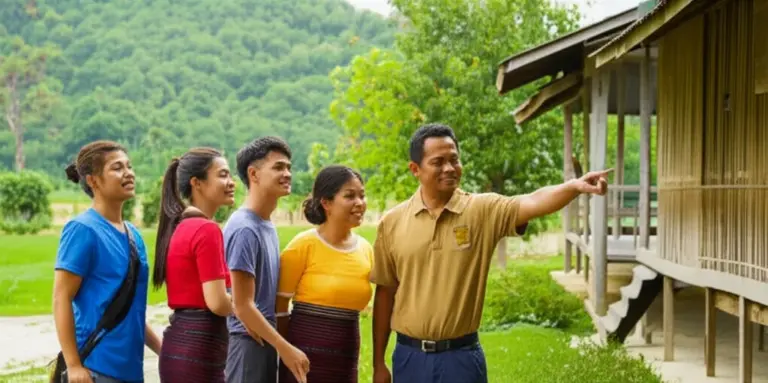
For travelers, CBT offers an unparalleled opportunity to move beyond typical tourist traps and experience the real Thailand. It’s about staying in a traditional homestay, sharing meals with a local family, learning about farming practices, or exploring hidden natural gems with a local guide. These immersive experiences create lasting memories and foster a deeper understanding and connection with the destination and its people. It’s travel with a purpose, enriching both the visitor and the host.
How CBT is Implemented in Thailand
Thailand has been a pioneer in promoting CBT, with various government agencies, NGOs, and local communities working together to develop and support these initiatives. From the mountainous regions of Northern Thailand to the coastal villages of the South, CBT models are being adapted to suit local contexts and resources.
Examples of Successful CBT Initiatives
Numerous successful CBT projects dot the Thai landscape:
Case Studies in Thai CBT
- Mae Kampong, Chiang Mai: Famous for its coffee plantations and homestays, this village offers a glimpse into traditional Lanna life, with villagers directly benefiting from tourism.
- Koh Yao Noi, Phang Nga: Known for sustainable fishing practices and ecotourism, offering visitors kayak tours through mangroves and interactions with local fishermen.
- Baan Talae Nok, Ranong: A coastal community that rebuilt after the 2004 tsunami, now offering homestays and cultural activities focused on mangrove conservation. [5]
- Baan Rai Kong Khing, Chiang Mai: A community focusing on wellness tourism, built a sustainable model with health and wellness as key drivers. [4]
Challenges and Opportunities
While CBT offers immense potential, it also faces challenges, including market access, quality control, and the need for ongoing capacity building within communities. However, these challenges present opportunities for collaboration between local communities, tour operators, and government bodies to develop robust support systems, training programs, and marketing strategies to connect CBT initiatives with a wider audience of responsible travelers.
Choosing a CBT Experience in Thailand
For travelers keen to embrace sustainable travel, seeking out CBT experiences in Thailand is a rewarding endeavor. Look for tour operators or initiatives that explicitly state their commitment to community benefits, cultural respect, and environmental protection. Websites of organizations like Local Alike often feature verified CBT options, ensuring your travel contributes positively. Empowering communities with sustainable tourism is at the heart of such initiatives. [8] Engaging with these programs allows you to become an active participant in sustainable development, not just a passive observer.
The Future of Sustainable Travel with CBT in Thailand
The future of sustainable travel in Thailand is intrinsically linked to the continued growth and success of community-based tourism (CBT). As global awareness about responsible travel increases, so too will the demand for authentic, impactful experiences that prioritize local well-being and planetary health. By supporting CBT, travelers not only enjoy richer, more meaningful journeys but also contribute to a more equitable and sustainable tourism industry for Thailand, ensuring its unique charm endures for generations to come. The Thai government itself is promoting ‘Green Travel’ routes to foster low-impact tourism. [9] This commitment from various stakeholders solidifies CBT’s role as a cornerstone of Thailand’s sustainable tourism strategy.
คำถามที่พบบ่อย (FAQ)
References
- Sustainable Thailand: Community-Based Tourism and Conservation – YouTube
- Wellness Leads Community-Based Tourism in Chiang Mai, Thailand – YouTube
- Empowering Communities with Sustainable Tourism – YouTube (Local Alike)
- Walk-A-Tif: Thailand promotes local tourism with ‘Green Travel’ routes – YouTube (Thai PBS World)
- Community-Based Tourism in Thailand: How Your Trip Can Support Local Villages and Create Lasting Benefits
- How to choose authentic CBT experiences: vetting operators, certifications, and red flags to avoid exploitation
- Practical ways your visit directly benefits local villages: income, skills transfer, cultural preservation, and environmental protection