Where to stay and eat: Chiang Mai neighborhoods, mountain homestays, night markets, and recommended local dishes
- Where to stay and eat: Chiang Mai neighborhoods, mountain homestays, night markets, and recommended local dishes
- Introduction: The Gateway to Northern Thailand
- Choosing Your Base: Essential Chiang Mai Neighborhoods
- Escaping the City: Mountain Homestays and Retreats
- A Culinary Journey: Must-Try Chiang Mai Dishes
- Top Night Markets for Food and Atmosphere
- Accommodation Guide: From Hostels to Luxury Resorts
- คำถามที่พบบ่อย (FAQ)
Introduction: The Gateway to Northern Thailand
Chiang Mai, the Rose of the North, offers a complex blend of ancient history, modern vibrancy, and stunning natural beauty. For any traveler looking to experience the best of Northern Thailand, deciding where to stay and eat is crucial. Your choice of accommodation and dining will define your trip, whether you seek bustling city life, peaceful mountain retreats, or culinary adventure. This comprehensive guide details the key Chiang Mai neighborhoods, introduces you to tranquil mountain homestays, navigates the famous night markets, and highlights the essential local dishes you must try. Understanding the distinct character of the different areas is the first step toward crafting your perfect itinerary.
Choosing Your Base: Essential Chiang Mai Neighborhoods
The beauty of Chiang Mai lies in its diversity. Each district, or *neighborhood*, caters to a different travel style and budget. Choosing the right one is essential for maximizing convenience and immersion. The focus on Chiang Mai neighborhoods ensures you find the perfect base for exploring.
The Old City (Walled City)
The historical heart of Chiang Mai, defined by its ancient moat and crumbling brick walls. The Old City is home to over 30 temples, including Wat Chedi Luang and Wat Phra Singh. Staying here offers unparalleled access to cultural sites and the famous Sunday Walking Street market. Accommodation ranges from charming boutique hotels nestled within traditional teak houses to budget guesthouses. This area is ideal for history buffs and first-time visitors who want everything within easy walking distance.
Nimmanhaemin: The Trendy Hub
Affectionately known as “Nimman,” this area west of the Old City is the epicenter of modern Chiang Mai. It’s characterized by upscale condos, designer boutiques, co-working spaces, and specialty coffee shops. Nimman attracts digital nomads, young professionals, and travelers seeking modern amenities and vibrant nightlife. Dining options are diverse, featuring everything from high-end international cuisine to chic Thai fusion restaurants. While slightly further from the historical sites, the area is well-connected by red songthaews (shared taxis).
Riverside and Charoen Muang: Tranquility and Views
The area along the Ping River offers a more relaxed, picturesque atmosphere. Here you will find luxury hotels and resorts with stunning waterfront views, alongside traditional Lanna-style restaurants and lively jazz bars. This location is perfect for couples or those who prefer a quieter environment while still being close to the action of the Night Bazaar and Warorot Market. The proximity to the train station also makes it convenient for onward travel.
Escaping the City: Mountain Homestays and Retreats
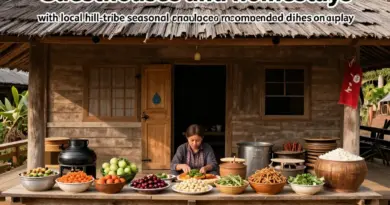
Chiang Mai is surrounded by majestic mountains, offering incredible opportunities for immersion in nature and local hill tribe culture. For travelers seeking peace and cooler temperatures, a mountain homestay provides a unique experience away from the urban hustle.
Mon Jam, located north of the city, is famous for its stunning panoramic views and glamping-style tents and resorts, offering chilly mornings and beautiful sunsets. Alternatively, destinations like Doi Inthanon National Park (Thailand’s highest peak) feature rustic guesthouses where you can hike and explore waterfalls. These retreats emphasize simple living, often including meals prepared with local, organic ingredients grown on site. Be prepared for less reliable Wi-Fi and transportation, which is part of the charm.
Explore the region:
A Culinary Journey: Must-Try Chiang Mai Dishes
Northern Thai cuisine, known as Lanna cuisine, is distinct from the central and southern styles. It features less coconut milk, relies heavily on pork, fresh herbs, and bitter spices, and often involves sticky rice (khao niao) instead of jasmine rice.
Northern Thai Staples (Lanna Cuisine)
- Khao Soi: The undisputed champion of Chiang Mai cuisine. This creamy, slightly spicy curry noodle soup features egg noodles, slow-cooked chicken or beef, and is topped with crispy fried noodles and served with pickled mustard greens and shallots. You can find excellent Khao Soi in almost every Chiang Mai neighborhoods, but the best stalls are often found off the main streets.
- Sai Oua (Northern Thai Sausage): A flavorful grilled sausage seasoned with lemongrass, kaffir lime leaves, chili, and turmeric. Perfect as a snack or served with sticky rice.
- Gaeng Hung Lay (Burmese-style Pork Belly Curry): A rich, oily, and mildly sweet pork belly curry influenced by Burmese cooking, featuring tamarind, ginger, and garlic.
- Nam Prik Ong / Nam Prik Num: Two essential chili dips. *Ong* is tomato and minced pork based, while *Num* is green chili based. Both are traditionally eaten with fresh vegetables and crispy pork rind (Cap Moo).
Street Food and Night Markets
Street food culture thrives in Chiang Mai, offering incredible affordability and authenticity. Don’t miss trying local desserts like *Mango Sticky Rice* or *Khanom Krok* (coconut pancakes). Always look for stalls with long lines—this is the best indicator of quality and freshness.
A taste of Chiang Mai street food:
Top Night Markets for Food and Atmosphere
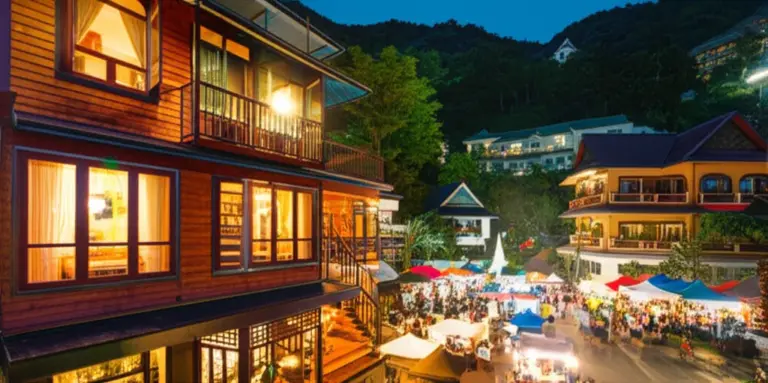
Night markets are the social and culinary heart of Chiang Mai. They are essential stops for souvenir shopping, trying diverse snacks, and soaking in the lively Thai atmosphere.
| Market Name | Location & Schedule | Specialty |
|---|---|---|
| Sunday Walking Street Market | Ratchadamnoen Road (Old City). Sunday evenings only. | Handicrafts, local art, huge variety of street food, and cultural performances. Extremely crowded but essential. |
| Chiang Mai Night Bazaar | Chang Klan Road (Near Riverside). Daily. | Tourist-oriented, known for clothing, souvenirs, and permanent food halls. Excellent access to hotels. |
| Warorot Market (Kad Luang) | Riverside/Charoen Muang. Daytime and early evening. | Authentic local market. Best for fresh produce, dried goods, flowers, and Northern Thai snacks like *Sai Oua* and *Cap Moo*. |
Accommodation Guide: From Hostels to Luxury Resorts
Chiang Mai offers accommodation for every budget. In the Old City, you will find most of the budget guesthouses and hostels, often centered around the eastern and southern gates, offering a vibrant, backpacker-friendly environment. Nimman is the domain of modern serviced apartments and minimalist boutique hotels. For truly luxurious stays, the riverside area and the foothills of Doi Suthep offer five-star resorts complete with infinity pools and spa services. Regardless of your chosen Chiang Mai neighborhoods, booking in advance, especially during the high season (November to February), is highly recommended.
คำถามที่พบบ่อย (FAQ)
Q1: What is the best time of year to visit Chiang Mai?
A1: The best time to visit is during the cool and dry season, from November to February. Temperatures are pleasant (around 20-25°C), making sightseeing and exploring the markets very enjoyable. Avoid the “burning season” (March to April) when air quality is poor due to agricultural burning.
Q2: Is the Old City or Nimman better for first-time visitors?
A2: The Old City is generally recommended for first-time visitors who prioritize historical sites, temples, and easy walking access to major markets. Nimmanhaemin is better suited for those who prioritize modern cafes, nightlife, and proximity to the airport and university.
Q3: What is the difference between Khao Soi and regular Thai curry?
A3: Khao Soi is unique because it uses both boiled and deep-fried egg noodles, providing a distinct texture contrast. The curry base is typically richer and slightly sweeter than red or green curries, and it is served as a soup, not usually eaten with jasmine rice, but rather with the accompanying crispy toppings and condiments.
Q4: Are mountain homestays easily accessible from the city?
A4: While not as easy as navigating the city, many popular homestay areas like Mon Jam or Doi Suthep’s lower slopes are accessible via rented scooter or hired private driver (songthaew or taxi). It is generally not recommended to rely on public transport for these remote areas.
References
- 7-day Northern Thailand road trip: Ultimate Chiang Mai itinerary for temples, mountains, and local culture
- Best time to travel, getting there, and planning tips for a 7-day Northern Thailand road trip from Chiang Mai
- Day-by-day 7-day itinerary: must-see temples, Doi Inthanon, Pai detour options, and scenic driving routes