Sustainable Travel in Thailand: Essential Tips to Minimize Your Environmental and Cultural Impact
- Sustainable Travel in Thailand: Essential Tips to Minimize Your Environmental and Cultural Impact
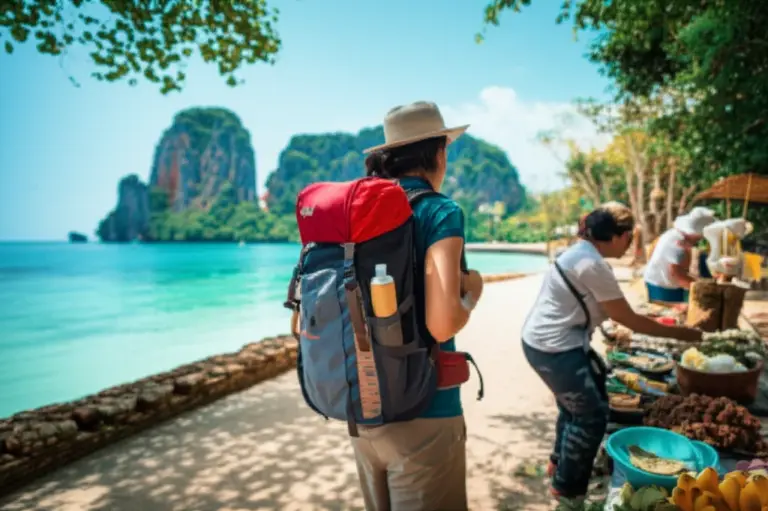
Thailand, with its breathtaking landscapes, vibrant culture, and warm hospitality, beckons millions of travelers each year. However, the sheer volume of tourism can exert immense pressure on its delicate ecosystems and rich cultural heritage. This makes Sustainable Travel in Thailand not just an option, but a necessity. Embracing responsible tourism practices allows you to experience the ‘Land of Smiles’ authentically while ensuring its beauty endures for future generations. This article will guide you through essential tips to minimize your environmental and cultural impact, making your journey both memorable and meaningful.
Understanding Sustainable Travel in Thailand
Sustainable travel, often interchangeably called eco-tourism or responsible tourism, is about making conscious choices that reduce the negative effects of travel and maximize its positive impact. It’s a holistic approach that considers environmental, social, and economic factors. For a country like Thailand, which relies heavily on tourism, adopting sustainable practices is vital for preserving its natural wonders and unique cultural identity. It’s about respecting the land, the people, and the traditions that make Thailand so special.
What is Sustainable Travel?
At its core, sustainable travel aims to foster a positive relationship between visitors and their destination. It encourages travelers to be mindful of their consumption, support local economies, and engage respectfully with local communities. This includes everything from choosing eco-friendly accommodations to participating in ethical animal encounters and minimizing waste.
Why is it Crucial for Thailand?
Thailand’s stunning beaches, lush jungles, and ancient temples draw millions, but this popularity comes at a cost. Over-tourism has led to environmental degradation, such as coral bleaching, plastic pollution, and damage to natural habitats. Culturally, it can lead to the commodification of traditions and displacement of local ways of life. By choosing Sustainable Travel in Thailand, you directly contribute to mitigating these issues, helping to protect its biodiversity and cultural authenticity.
Environmental Impact: How to Tread Lightly
Your actions, no matter how small, can have a significant impact on Thailand’s fragile environment. Being mindful of your ecological footprint is paramount.
Reduce Your Waste
Plastic pollution is a major crisis globally, and Thailand is no exception. Combat this by carrying a reusable water bottle and refilling it at designated stations or with filtered water (many hotels offer this). Decline plastic bags, straws, and single-use containers. Consider bringing your own reusable shopping bag and cutlery. Every piece of plastic you refuse helps reduce the burden on landfills and oceans.
Conserve Resources
Be conscious of your energy and water consumption. Turn off lights and air conditioning when leaving your room. Take shorter showers. Many hotels participate in linen reuse programs; opt into these to save water and energy used for laundry. These small habits collectively make a big difference.
Support Ethical Wildlife Tourism
Thailand is famous for its elephants, but many tourist activities involving them are harmful. Avoid elephant riding, shows, and facilities that chain or exploit animals. Instead, visit genuine elephant sanctuaries that prioritize the animals’ welfare, allowing them to roam freely and interact naturally. Research reputable organizations that focus on rehabilitation and conservation. Similarly, avoid supporting attractions that involve captive tigers, monkeys, or other wildlife used for entertainment.
Choose Eco-Friendly Transportation
Whenever possible, opt for public transportation like trains, buses, or tuk-tuks. Walking and cycling are excellent ways to explore cities and reduce your carbon footprint. For longer distances, consider trains over short-haul flights. Choosing local transport also offers a more immersive cultural experience and supports local economies.
Respect Nature
When exploring natural areas, stick to marked trails to prevent damage to vegetation. Do not litter; carry out everything you carry in. Avoid touching or standing on coral reefs when snorkeling or diving, as they are incredibly fragile and vital ecosystems. Do not take souvenirs from natural environments, such as shells or sand, which disrupt the ecosystem’s balance. Always observe wildlife from a respectful distance without disturbing them.
Learn More About Eco-Friendly Travel in Thailand!
For a deeper dive into making your trip to Thailand as green as possible, watch this comprehensive guide:
This video offers valuable insights and practical tips for minimizing your impact while exploring the Land of Smiles.
Cultural Impact: Engaging Respectfully
Thailand’s culture is rich and deeply rooted in tradition. Respecting local customs and engaging meaningfully with communities is as important as environmental conservation.
Learn Basic Thai Phrases
A simple ‘Sawasdee ka/krap’ (hello), ‘Khob khun ka/krap’ (thank you), and ‘Khorโทษ ka/krap’ (excuse me/sorry) goes a long way. Thais appreciate the effort, and it can open doors to more genuine interactions. Learning a few phrases demonstrates respect for their language and culture.
Dress Modestly
Especially when visiting temples, religious sites, or rural villages, dress conservatively. Shoulders and knees should be covered. While beachwear is fine on the beach, it’s considered disrespectful in public areas of towns and cities. Always remove your shoes before entering temples or someone’s home.
Support Local Communities
Choose to stay in locally-owned guesthouses, eat at local restaurants and street food stalls, and buy souvenirs directly from artisans and small shops. This ensures your money directly benefits the local economy and supports traditional crafts. Seek out community-based tourism initiatives that offer authentic experiences while empowering villagers.
Understand and Respect Customs
The ‘wai’ (a prayer-like gesture) is a traditional greeting and sign of respect; learn how and when to use it appropriately. The head is considered the most sacred part of the body, and the feet the lowest; never touch someone’s head or point your feet at people or religious images. Public displays of affection are generally frowned upon. Bargaining is common in markets, but do so respectfully and with a smile, understanding that a few baht means more to a local vendor than to you.
Be Mindful of Photography
Always ask for permission before taking photos of people, especially children or those in traditional dress. Some sacred sites may prohibit photography. Be discreet and respectful; never interrupt ceremonies or private moments for a picture.
Planning Your Sustainable Thai Adventure
Thoughtful planning can significantly enhance the sustainability of your trip.
Research and Choose Responsible Operators
Look for tour companies, hotels, and guesthouses that explicitly state their commitment to sustainability. Check for certifications, ethical employment practices, waste management policies, and community engagement. Websites like Green Pearls or responsible travel directories can help you find suitable options.
Pack Smart
Bring lightweight, quick-drying clothing suitable for varying climates and modest dress codes. Pack reef-safe sunscreen to protect marine life. Include your reusable water bottle, shopping bag, and any personal care items in solid form to reduce plastic packaging. Consider a small first-aid kit to avoid purchasing single-use items abroad.
Give Back
If you wish to contribute beyond your direct spending, research reputable local charities or conservation projects. Avoid impromptu donations to individuals, especially children, as this can inadvertently encourage begging. A well-placed donation to an established organization can have a lasting positive impact.
Embracing the Spirit of Responsible Exploration
Choosing Sustainable Travel in Thailand is more than just following a checklist; it’s a mindset. It’s about being an aware, empathetic, and engaged traveler who understands their role in protecting the places they visit. By making conscious decisions to minimize your environmental footprint and respect Thailand’s rich cultural tapestry, you contribute to a more sustainable future for this incredible destination. Your journey can be a powerful force for good, leaving behind positive memories and a legacy of preservation. Embrace the opportunity to explore Thailand with an open heart and a responsible spirit, and you will find your experience all the more rewarding.
คำถามที่พบบ่อย (FAQ)
References
- Tourism Authority of Thailand Official Website
- World Wildlife Fund (WWF) – Thailand
- Lonely Planet – Ethical Travel in Thailand
- How to Choose Eco-Friendly Accommodations in Thailand (sustainable hotels, eco-lodges, community stays)
- Low-Impact Transportation Options for Exploring Thailand Responsibly (public transit, trains, biking, carbon offsetting)
- Responsible Wildlife and Nature Activities: Ethical Tours and Marine Conservation Tips (no animal shows, coral-safe snorkeling)