Essential Clothing and Footwear for Hot, Rainy, and Cool Seasons in Thailand
- Essential Clothing and Footwear for Hot, Rainy, and Cool Seasons in Thailand
- Preparing Your Thailand Travel Clothing Essentials
- The Hot Season (March – May): Lightweight and Breathable
- Navigating the Rainy Season (June – October): Quick-Dry Solutions
- Packing for the Cool Season (November – February): Comfort and Layers
- Cultural Considerations: Temple Attire and Respectful Dressing
- The Ultimate Thailand Packing Checklist
- คำถามที่พบบ่อย (FAQ)
Preparing for a trip to the Land of Smiles requires careful consideration of the climate. Thailand’s tropical weather shifts dramatically between three distinct seasons—hot, rainy, and cool—meaning your packing list needs flexibility. Understanding these seasonal nuances is the first step in assembling your ultimate Thailand travel clothing essentials. This guide will ensure you stay comfortable, dry, and culturally appropriate, whether you are exploring the bustling streets of Bangkok or trekking through the northern mountains.
Preparing Your Thailand Travel Clothing Essentials
Thailand is a destination of contrasts, demanding versatility from your wardrobe. The key principle for packing for Thailand is layering and quick-drying materials. You will spend most of your time outdoors, sweating, and potentially getting caught in sudden downpours. Focusing on technical fabrics and natural fibers like linen will significantly improve your comfort level.
Understanding Thailand’s Climate Zones
The three main seasons are:
- Hot Season (March – May): Scorching temperatures, often exceeding 40°C (104°F).
- Rainy Season (June – October): High humidity and intense, short bursts of rain, usually in the late afternoon.
- Cool Season (November – February): The most pleasant time to visit, with lower humidity, but cooler temperatures, especially in the north.
The Hot Season (March – May): Lightweight and Breathable
When the mercury rises, minimizing fabric weight and maximizing airflow is crucial. Tourists often make the mistake of wearing dark colors, which absorb heat. Opt for light colors that reflect the sun’s intensity.
Clothing Recommendations for the Heat
- Linen and Rayon: These fabrics are incredibly light, dry quickly, and feel cool against the skin.
- Loose-fitting Shorts and Skirts: Prioritize comfort and airflow over tight clothing.
- UV Protection Shirts: Long-sleeved, light shirts made with technical, quick-dry material offer better sun protection than sunscreen alone, especially during long days of sightseeing.
- Wide-Brimmed Hat: Essential for protecting your face and preventing sunstroke.
Footwear for the Heat
Footwear should be easy to slip on and off, as you will be frequently removing shoes before entering homes, shops, and temples.
- Flip-flops/Thongs: The ubiquitous choice. Perfect for beaches, markets, and short walks.
- Breathable Walking Sandals: For longer days, a pair of supportive sandals (like Birkenstocks or equivalent) offers better cushioning than basic flip-flops.
The rainy season doesn’t mean constant rain; it typically means heavy, tropical downpours lasting an hour or two. The biggest challenge is the persistent high humidity, which makes drying clothes nearly impossible.
Must-Have Waterproof Gear
| Item | Why It’s Essential |
|---|---|
| Lightweight Rain Jacket | A thin, packable jacket (not heavy winter gear) is better than a poncho, especially for traveling on motorbikes or boats. |
| Travel Umbrella | Small, collapsible umbrellas are indispensable for navigating city streets during sudden showers. |
| Waterproof Bag Cover | Crucial for protecting electronics and important documents while walking or riding. |
| Quick-Dry Clothing | Avoid cotton entirely. Technical/synthetic fabrics (nylon, polyester) dry within hours, not days. |
Rainy Season Footwear Choices
Closed-toe shoes are a liability during the monsoon. They fill up with water and mud and become breeding grounds for bacteria. Stick to open, quick-drying options. Waterproof hiking sandals, such as those made by Teva or Chaco, provide grip and comfort without soaking up water.
Packing for the Cool Season (November – February): Comfort and Layers
This is peak tourist season, offering fantastic weather across the country. While central and southern Thailand remain warm and sunny, the “cool” season is relatively cool in the North, especially at high elevations.
Layering for Northern Thailand
If your itinerary includes Chiang Mai, Chiang Rai, or Pai, be prepared for significant temperature drops after sunset. A light thermal layer or a fleece jacket will be greatly appreciated. During the day, T-shirts and shorts are fine, but mornings and evenings require an extra layer.
Footwear for Cooler Evenings
Sneakers or light canvas shoes are perfect for the cool season. They offer more protection than sandals for long walking tours and keep your feet warmer in the evenings. Just ensure they are breathable enough for daytime use.
Cultural Considerations: Temple Attire and Respectful Dressing
Respectful dressing is a crucial part of the tourist experience, particularly when visiting sacred sites like the Grand Palace or Wat Arun. Failing to adhere to the dress code will result in denied entry.
It’s wise to always carry a light scarf or pashmina in your day bag. It serves multiple purposes: covering up for a temple visit, shielding your neck from the intense sun, or providing a light warmth layer in heavily air-conditioned malls or buses.
The Ultimate Thailand Packing Checklist
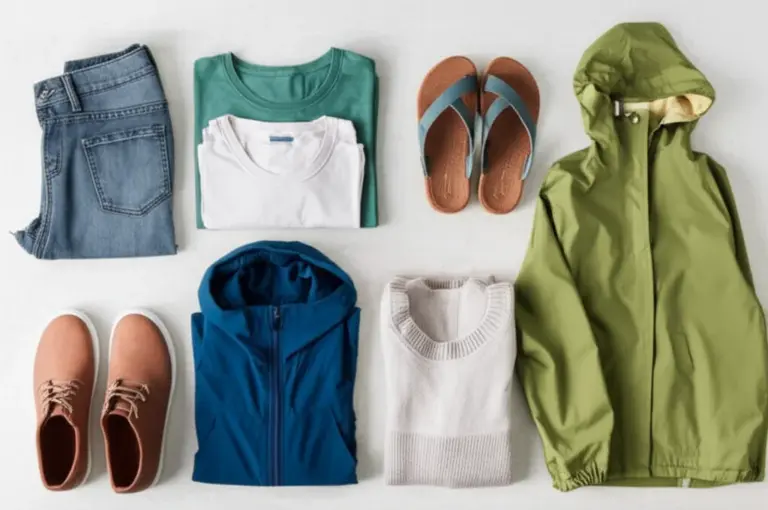
To help visualize your packing strategy, here is a breakdown of the core items that should be in your luggage, tailored to the Thai climate.
-
4-5 Quick-dry T-shirts/Tops
All Seasons -
1 Pair of Quick-dry Hiking Sandals
Rain/Hot -
Packable Rain Jacket and Umbrella
Rain/Cool -
Wide-brimmed Hat and Sunglasses
Hot/Sun Protection -
Lightweight Sarong or Scarf (for temples)
Cultural Attire -
Light Cardigan or Fleece
Cool Season (North)
Ultimately, less is more when traveling in Thailand. Laundry services are cheap, quick, and widely available, allowing you to pack light and purchase local, climate-appropriate clothing (like cheap, comfortable fisherman pants) if needed. Focus on versatility and ensure your Thailand travel clothing essentials prioritize comfort and cultural sensitivity above all else.
คำถามที่พบบ่อย (FAQ)
Is it acceptable to wear shorts and tank tops in Thailand?
Yes, for general tourism, beaches, and non-religious sites, shorts and tank tops are perfectly acceptable due to the heat. However, when visiting temples (Wats) or royal palaces, you must cover your shoulders and knees out of respect for Thai culture and religion. Always carry a light scarf or sarong for instant coverage when needed.
What is the best type of footwear for the rainy season?
Quick-drying, waterproof sandals or sturdy rubber flip-flops are essential. Closed shoes tend to get soaked and take days to dry in the high humidity, leading to discomfort, blisters, and odor. Look for sandals with good grip to handle slippery wet pavements.
Do I need warm clothing for the cool season in Thailand?
While Southern and Central Thailand remain warm, Northern regions (like Chiang Mai or Chiang Rai) can experience temperatures dropping significantly at night during the cool season (November–February), sometimes reaching 10°C (50°F). A light jacket, hoodie, or cardigan is highly recommended for evenings, especially if you plan to visit hill tribe areas.