Why Understanding Thailand’s Seasons Matters for Your Packing List
- Why Understanding Thailand’s Seasons Matters for Your Packing List
- Thailand’s Three Climates: An Overview for Your Thailand’s Seasons Packing List
- The Essential Thailand’s Seasons Packing List Breakdown
- Cultural Considerations: Temple Etiquette and Respect
- Regional Variations: North vs. South
- คำถามที่พบบ่อย (FAQ)
- Q: Is it safe to travel during the Rainy Season (June to October)?
- Q: What kind of footwear is best for the Hot Season in Bangkok?
- Q: Do I need warm clothes for the Cool Season (November to February)?
- Q: What is the single most important item to pack regardless of the season?
Planning a trip to the ‘Land of Smiles’ is exciting, but ignoring the nuances of its tropical climate can lead to a wardrobe disaster. Successfully navigating your Thai adventure hinges on preparing the perfect **Thailand’s Seasons Packing List**. Whether you are exploring the bustling markets of Bangkok, relaxing on the pristine beaches of the South, or trekking through the mountains of the North, knowing the weather patterns—which are divided into three distinct seasons—is the key to traveling comfortably and respectfully. This comprehensive guide breaks down exactly what you need to pack for the heat, the rain, and the brief periods of cool air.
Thailand’s Three Climates: An Overview for Your Thailand’s Seasons Packing List
Thailand’s climate is tropical and humid, but the year is clearly segmented into three cycles, each demanding unique items on your packing list. Failing to account for these shifts can mean sweating through your clothes unnecessarily or being soaked daily by monsoon rains.
| Season | Months | Key Characteristics | Essential Packing Tip |
|---|---|---|---|
| Hot Season | March – May | Scorching heat, high humidity (30°C to 40°C). | Maximum sun protection and hydration gear. |
| Rainy Season | June – October | Heavy, short-lived downpours, high humidity. | Waterproof gear and quick-drying fabrics. |
| Cool Season | November – February | Pleasant, less humid temperatures (20°C to 30°C). | Light layers, especially for Northern Thailand evenings. |
1. The Hot Season (March to May)
This is the peak of the heat, often making daytime sightseeing challenging. Your packing list must prioritize cooling and sun defense. Think loose-fitting, light-colored cotton or linen clothing. Synthetic moisture-wicking fabrics are ideal for active days. Sunscreen (high SPF), a wide-brimmed hat, and sunglasses are non-negotiable.
2. The Rainy (Monsoon) Season (June to October)
The monsoon doesn’t mean non-stop rain; rather, expect intense, tropical downpours that usually last an hour or two, often in the late afternoon. The main packing challenge here is dealing with dampness. Avoid heavy denim or thick cotton that takes ages to dry. Essential items include a lightweight travel umbrella or poncho, and waterproof bags to protect electronics. Closed-toe shoes should be avoided in favor of sandals or flip-flops that can handle puddles.
3. The Cool Season (November to February)
This is the most popular time to visit, offering the most comfortable temperatures and lowest humidity. While central and southern Thailand remain warm, Northern destinations like Chiang Mai and Chiang Rai can experience surprisingly chilly mornings and evenings, sometimes dipping below 15°C (59°F). If you are heading North, pack a light jacket, a pair of trousers, or a small fleece. Otherwise, your daytime attire remains the same as other seasons: light and airy.
The Essential Thailand’s Seasons Packing List Breakdown
Beyond seasonal necessities, there are foundational items every tourist needs to ensure a smooth journey. Prioritize versatility and minimal bulk.
Clothing Essentials for High Humidity
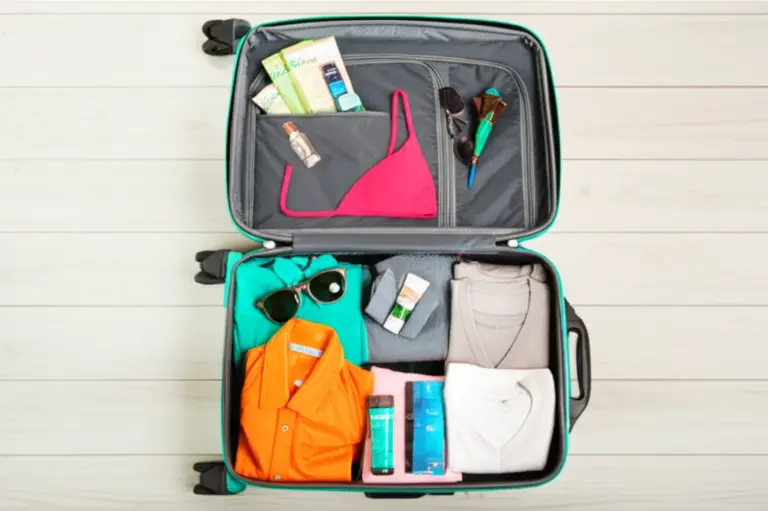
- **Breathable Tops:** Tank tops, t-shirts, and blouses made of natural fibers (cotton, linen) or high-performance synthetics.
- **Bottoms:** Lightweight shorts, capris, or flowy skirts.
- **Swimwear:** At least two suits, allowing one to dry while you wear the other.
- **Layering Pieces:** A thin cardigan or shawl for air-conditioned buses, malls, and planes.
- **Socks:** Only pack quick-drying athletic socks if you plan on hiking or wearing sneakers frequently.
Footwear: Sandals vs. Sneakers
Your feet will suffer if you wear heavy, non-breathable shoes. The best choice for city walking and island hopping is durable, comfortable walking sandals (like Tevas or Chacos) or simple flip-flops (for beaches and short distances). Only bring one pair of closed-toe shoes if you intend to hike or need them for formal occasions.
Watch this quick guide to see visual examples of ideal attire for Thailand’s climate.
Tech and Health Must-Haves
The high humidity and tropical environment necessitate specialized health and tech preparations, regardless of which of the **Thailand’s Seasons Packing List** you are following.
- **Mosquito Repellent:** Crucial year-round, especially during the Rainy Season. Look for products containing DEET or Picaridin.
- **Universal Adapter:** Thailand uses Type A, B, C, F, and O plugs, so a universal adapter is the safest bet.
- **Portable Power Bank:** Essential for long days exploring where power outlets are scarce.
- **Rehydration Salts/Electrolytes:** The heat drains your body quickly; these are vital for preventing heat exhaustion.
Cultural Considerations: Temple Etiquette and Respect
Beyond the weather, cultural norms heavily influence what you should pack. When visiting temples (Wats), both men and women must cover their shoulders and knees. This requirement often catches unprepared tourists off guard, especially during the Hot Season when they prefer minimal clothing.
Regional Variations: North vs. South
While the three seasons apply nationally, the severity differs. The North (Chiang Mai, Pai) is mountainous and experiences the most noticeable ‘Cool Season’ drop in temperature. If motorbiking or trekking here in December, a light jacket is mandatory. The South (Phuket, Koh Lanta) is more consistently hot and humid, though the monsoon season can affect island accessibility (e.g., the Andaman Coast is wetter from May to October, while the Gulf Coast islands like Koh Samui are often drier during this time).
Ultimately, mastering your **Thailand’s Seasons Packing List** is about prioritizing quick-drying, breathable fabrics and packing light enough to easily move between destinations. Travel smart, respect the culture, and you’ll be ready for an incredible journey, no matter the season!