Exploring Thailand’s National Parks: A Complete Guide for Nature Lovers
Thailand is synonymous with vibrant street life and bustling markets, but beyond the urban sprawl lies a hidden world of untamed beauty. Exploring Thailand’s National Parks is the ultimate way to experience the country’s diverse ecosystems, ranging from misty northern mountains to crystal-clear southern archipelagos. Whether you are an avid hiker, a wildlife enthusiast, or simply seeking a tranquil escape from the noise, the national park system offers a sanctuary for every nature lover.
The Majesty of Thailand’s Protected Wilderness
With over 150 national parks scattered across the nation, Thailand boasts some of the most significant biodiversity in Southeast Asia. These protected areas are vital for conservation and provide unparalleled opportunities for eco-tourism. From the ancient rainforests of Khao Sok to the marine wonders of Mu Ko Similan, the landscapes are as varied as they are breathtaking. Visiting these parks requires respect for nature and a commitment to sustainable travel practices, ensuring these sites remain pristine for generations to come.
Top National Parks You Cannot Miss
If you are planning your itinerary, narrowing down the choices can be difficult. Here are some of the most iconic destinations for anyone serious about Exploring Thailand’s National Parks:
| Park Name | Key Attraction | Best Time to Visit |
|---|---|---|
| Khao Sok | Floating Raft Houses | December – April |
| Khao Yai | Wildlife Spotting | November – February |
| Doi Inthanon | Highest Peak in Thailand | November – February |
1. Khao Sok National Park
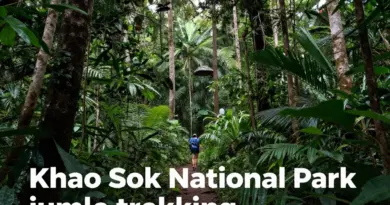
Often cited as one of the oldest rainforests in the world, Khao Sok is a dream destination. The limestone karsts rising out of Cheow Lan Lake create a dramatic, otherworldly silhouette. Visitors can rent traditional long-tail boats, hike through dense canopy trails, or stay in floating bungalows. It is truly a highlight for those focused on Exploring Thailand’s National Parks.
2. Khao Yai National Park
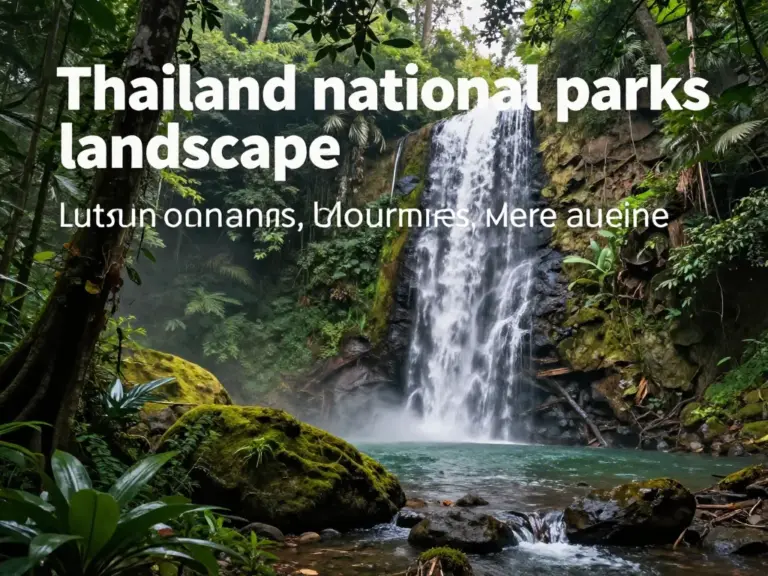
As a UNESCO World Heritage site, Khao Yai is easily accessible from Bangkok, making it perfect for a weekend retreat. The park is famous for its cascading waterfalls, most notably Haew Narok and Haew Suwat. If you are lucky, you might spot wild elephants, gibbons, or even the elusive hornbill. The diverse flora and fauna make it an essential stop for biology enthusiasts.
3. Doi Inthanon National Park
Known as the “Roof of Thailand,” Doi Inthanon offers cool, misty weather even in the height of summer. The park is home to the highest point in the country and is a haven for birdwatchers. The twin pagodas, dedicated to the King and Queen, offer sweeping views over the mountainous terrain that are simply unmatched.
Sustainable Travel and Park Etiquette
When you engage in Exploring Thailand’s National Parks, being a responsible traveler is paramount. Always carry out what you carry in—trash management is a major issue. Stay on marked trails to protect sensitive undergrowth and wildlife habitats. Avoid feeding animals, as this disrupts their natural behavior and can be dangerous for both the visitor and the creature.
คำถามที่พบบ่อย (FAQ)
Q: Do I need a permit to enter Thailand’s national parks?
A: Yes, all visitors must pay an entrance fee at the park gate. Some areas, like marine parks, may require additional permits for diving or overnight stays.
Q: Can I camp inside the parks?
A: Most national parks offer designated camping areas and some even rent tents and sleeping bags. It is recommended to check the specific park’s facilities on the Department of National Parks website.
Q: Is it safe to hike alone?
A: While many trails are well-marked, it is always safer to hike with a guide or a group, especially in remote jungle areas where navigation can be challenging.