The Gibbon Experience and Canopy Walkways: What They Are and Why They Matter for Conservation
When travelers think of Thailand and its neighbors, they often envision pristine beaches and bustling night markets. However, nestled in the lush, northern reaches of the region—specifically bordering the Bokeo province of Laos—lies a revolutionary model of sustainable tourism: The Gibbon Experience and Canopy Walkways. This isn’t just a vacation; it is a profound immersion into the heart of the rainforest, designed to protect one of the world’s most endangered primates while offering visitors an unparalleled perspective of the jungle canopy.
What is The Gibbon Experience?
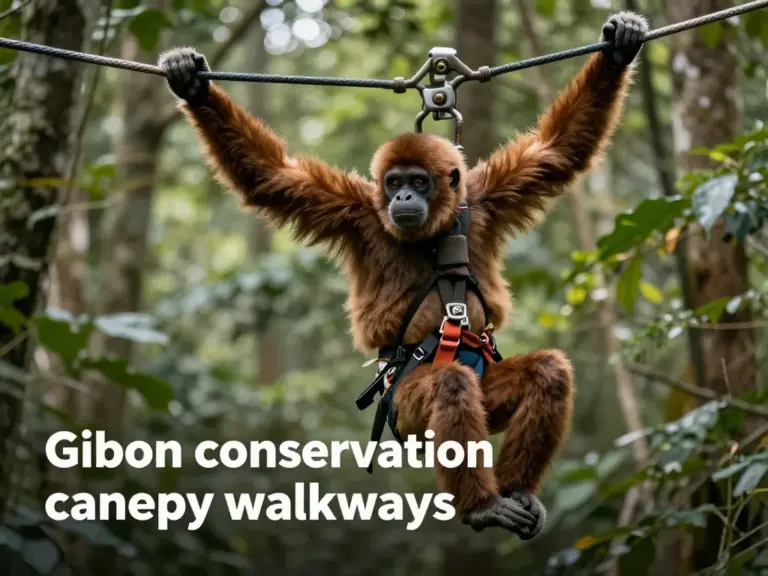
The Gibbon Experience is a world-renowned conservation project that combines high-adrenaline adventure with deep ecological responsibility. Located in the Nam Kan National Park, the project was established to save the local gibbon population from poaching and habitat destruction. Participants stay in some of the highest treehouses in the world, connected by an extensive network of ziplines and canopy walkways. By choosing to visit, tourists provide the essential funding needed to hire former poachers as forest rangers, effectively turning them into guardians of the very species they once hunted.
The Vital Role of Canopy Walkways in Conservation
Canopy walkways serve as more than just a bridge between trees. They are critical infrastructure for conservation efforts. By elevating human presence above the forest floor, these walkways minimize the impact on the delicate undergrowth and soil ecosystems. Furthermore, they provide a non-intrusive way for researchers to observe the behavior of the Black-crested Gibbon. When tourists use these walkways, they are actively funding the monitoring of these primates, ensuring their safety from illegal logging and hunting activities.
Why This Matters for Sustainable Tourism
- Economic Empowerment: Local communities gain sustainable income through tourism, reducing the reliance on slash-and-burn agriculture.
- Habitat Protection: The tourism revenue directly funds the protection of thousands of hectares of primary rainforest.
- Educational Impact: Visitors leave with a profound understanding of why rainforest preservation is critical for climate stability.
คำถามที่พบบ่อย (FAQ)
What is the primary goal of The Gibbon Experience?
Are the canopy walkways safe?
How does this project help local communities?
References
For more information on the conservation efforts mentioned in this article, please visit the official The Gibbon Experience official website or learn more about IUCN conservation initiatives.