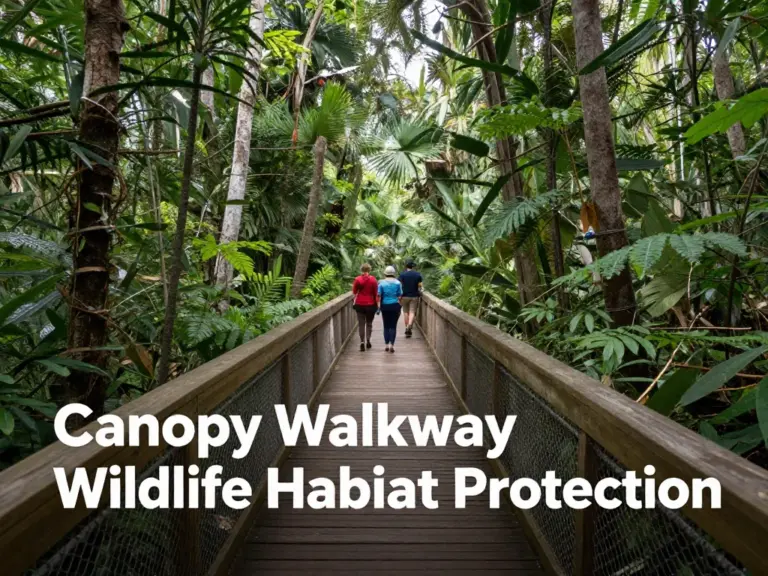
How Canopy Walkways Support Wildlife Protection and Habitat Preservation
In the realm of sustainable travel, few innovations bridge the gap between human curiosity and environmental ethics as effectively as canopy walkways. As travelers increasingly seek deeper connections with nature, How Canopy Walkways Support Wildlife Protection and Habitat Preservation has become a vital topic for conservationists and tour operators alike. By elevating visitors into the forest canopy, these structures offer a unique vantage point that minimizes the physical footprint on the forest floor, protecting delicate ecosystems while fostering a profound appreciation for biodiversity.
The Dual Role of Canopy Walkways in Conservation
Canopy walkways serve as more than just tourist attractions; they are strategic tools for habitat management. Traditional hiking trails often lead to soil compaction, root damage, and the fragmentation of understory habitats. By moving human traffic into the upper layers of the forest, we effectively reduce the pressure on the forest floor, allowing indigenous flora to flourish without the trampling common in high-traffic tourist areas. This elevation is particularly crucial in dense rainforests like those found in Thailand’s Khao Sok National Park, where the undergrowth is a fragile nursery for countless species.
Protecting the Forest Floor Ecosystem
The forest floor is teeming with life—from nutrient-cycling fungi to slow-moving amphibians and insects. When tourists walk through these areas, they inadvertently disrupt the micro-habitats essential for these organisms. Canopy walkways allow visitors to observe the forest’s vertical stratification without disturbing the ground-dwelling wildlife. This separation is a cornerstone of responsible tourism, ensuring that the primary habitat remains undisturbed and allowing shy, ground-level species to retreat or forage without human interference.
Educational Impact and Wildlife Awareness
Beyond physical protection, these structures are powerful educational platforms. Seeing the forest from a bird’s-eye view changes a visitor’s perspective. It transforms the forest from a static backdrop into a living, breathing ecosystem. When tourists witness the complexity of life in the canopy—the epiphytes, the birds, and the primates—their emotional connection to conservation increases. This shift in perspective is essential for generating the funding and public support needed for long-term habitat preservation projects.
Sustainable Infrastructure in Thailand
Thailand has embraced this model, integrating canopy bridges into national parks to balance the influx of ecotourists with the need for strict environmental protection. These projects demonstrate that tourism can be a force for good. By channeling visitors onto guided, elevated paths, park authorities can monitor human impact more effectively, prevent poaching, and ensure that tourist revenue is directly reinvested into the protection of the local ecosystem.
คำถามที่พบบ่อย (FAQ)
| Question | Answer |
|---|---|
| How do canopy walkways reduce environmental impact? | They prevent soil compaction and root damage by keeping foot traffic off the forest floor, allowing ground-level wildlife to remain undisturbed. |
| Are canopy walkways safe for the trees they are built on? | Yes, modern canopy walkways are engineered using non-invasive techniques that allow trees to grow and sway naturally without structural damage. |
| How does this support local wildlife? | By keeping humans elevated, wildlife can continue their natural behaviors on the ground and in the understory without the stress of human proximity. |