Essential Jungle Trekking Tips for Exploring the Forest Safely
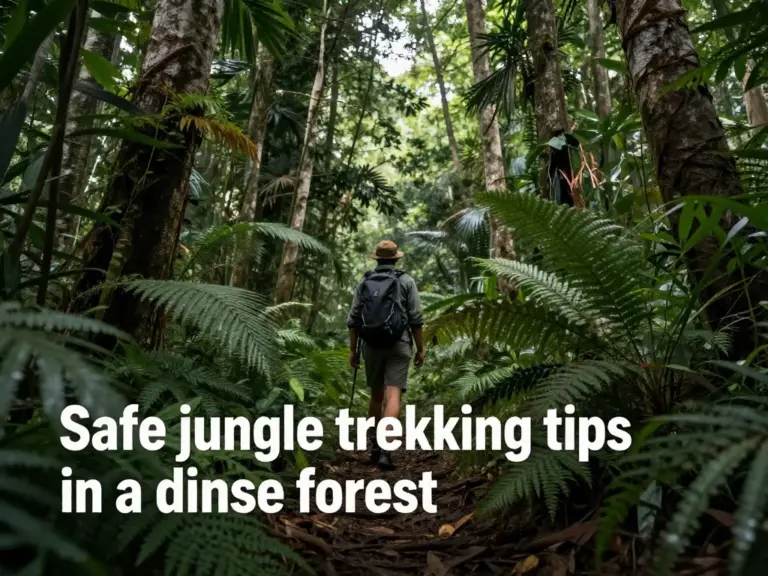
Thailand is home to some of the most breathtaking and biodiverse tropical forests in Southeast Asia. Whether you are planning a day hike in Khao Sok National Park or a multi-day trek in the mountains of Chiang Mai, understanding Essential Jungle Trekking Tips for Exploring the Forest Safely is paramount. The jungle is a dynamic environment that offers unparalleled natural beauty, but it also demands respect and careful preparation to ensure a memorable and incident-free experience.
Preparation: The Foundation of a Safe Trek
Before you even lace up your boots, your safety depends on your preparation. Tropical environments in Thailand are humid, unpredictable, and physically demanding. Researching your specific trail is crucial. Use resources like the official Department of National Parks, Wildlife and Plant Conservation website to check trail conditions and park regulations. Ensure your physical fitness level matches the difficulty of the trek you have chosen.
Essential Gear Checklist
Packing the right gear can make the difference between a successful hike and a struggle. Here is what you should prioritize:
- Footwear: Sturdy, breathable hiking boots with good grip are essential for muddy, slippery trails.
- Clothing: Wear lightweight, moisture-wicking synthetic fabrics. Long sleeves and trousers help protect against insect bites and sharp vegetation.
- Hydration: Carry at least 2-3 liters of water. A water purification system (tablets or a filter bottle) is highly recommended for longer treks.
- First Aid Kit: Include blister plasters, antiseptic wipes, insect repellent, and antihistamines.
The Thai jungle is alive with creatures, from colorful birds to insects and snakes. The golden rule is to observe from a distance and never provoke wildlife. While most animals will avoid human contact, it is vital to stay on marked trails to minimize your impact on the environment and avoid getting lost. If you encounter wildlife, remain calm and back away slowly.
Weather and Environmental Hazards
Weather in Thailand can shift rapidly. During the rainy season, trails can become treacherous and flash floods in creek beds are a real risk. Always check the local Thai Meteorological Department reports before departure. If the weather looks ominous, do not hesitate to cancel or shorten your trek. Safety should always supersede the desire to complete a route.
Hiring a Local Guide
One of the most effective ways to stay safe is to hire a local guide. Guides are not just there to show you the way; they possess deep knowledge of the flora, fauna, and specific hazards of the terrain. They are trained to handle emergencies and can provide invaluable insights into the local culture and ecosystem. Supporting local guides also helps the regional economy, making your trek a sustainable and responsible choice.
| Safety Aspect | Recommendation |
|---|---|
| Hydration | Drink frequently, even if not thirsty. |
| Sun Protection | Use high-SPF sunscreen and a hat. |
| Communication | Carry a charged power bank and a whistle. |
คำถามที่พบบ่อย (FAQ)
Is it safe to trek alone in Thailand?
It is strongly advised against trekking alone in remote jungle areas. Always trek with a partner or a certified guide to ensure help is available if an emergency occurs.
What is the best time of year for jungle trekking?
The cool, dry season (November to February) is generally considered the best time for trekking as trails are drier and temperatures are more comfortable.
Do I need special permits for trekking?
Most national parks in Thailand require an entrance fee, and some restricted areas may require specific permits. Always verify requirements with the park headquarters before arrival.