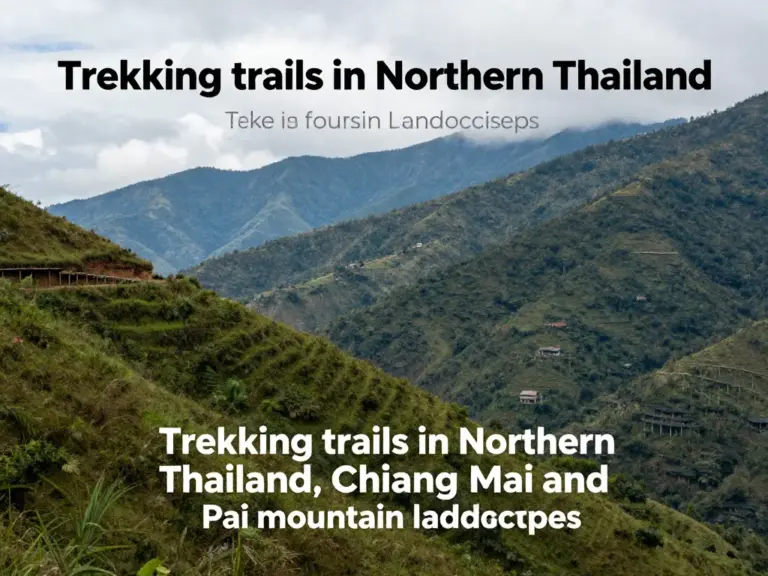
Trekking in Northern Thailand: Your Ultimate Guide to the Best Trails around Chiang Mai and Pai
Northern Thailand is a sanctuary for nature lovers and adventure seekers. When it comes to Trekking in Northern Thailand, the regions of Chiang Mai and Pai stand out as the premier destinations. With their mist-covered mountains, dense jungles, and hidden hill tribe villages, these areas offer an unparalleled experience for hikers of all skill levels. Whether you are seeking a challenging summit or a gentle walk through lush valleys, this guide provides the essential information to plan your journey.
The Appeal of Trekking in Northern Thailand
Why do thousands of travelers flock to the north? The answer lies in the diversity of the terrain. Trekking in Northern Thailand allows you to traverse ancient forests, cross sparkling rivers, and witness the unique customs of the Karen, Lisu, and Hmong hill tribes. Unlike the tropical beaches of the south, the north provides a cooler climate, especially during the winter months (November to February), making it ideal for strenuous physical activity.
Top Trails around Chiang Mai
Chiang Mai is the undisputed hub for adventure tourism in the region. The surrounding mountains are part of the Doi Inthanon National Park and surrounding ranges, offering some of the most spectacular vistas in the country.
1. Doi Inthanon Summit Trail
Known as the ‘Roof of Thailand,’ this is the highest point in the country. While you can drive to the top, taking the Kew Mae Pan Nature Trail offers a stunning, guided hike through cloud forests. It is moderate in difficulty but rewards you with breathtaking views of the sea of mist.
2. The Monk’s Trail (Wat Pha Lat)
Perfect for a half-day adventure, this trail starts near Chiang Mai University and winds up through the forest to the hidden, serene temple of Wat Pha Lat. It is a spiritual and physical journey that ends with a panoramic view of the city.
Exploring the Trails around Pai
Pai offers a more laid-back, bohemian atmosphere compared to the bustling Chiang Mai. The trekking here is often characterized by dramatic landscapes, particularly the Pai Canyon.
Pai Canyon (Kong Lan)
While more of a ridge walk than a traditional jungle trek, Pai Canyon is essential. The narrow, winding paths along the red sandstone cliffs provide an adrenaline-filled experience, especially during sunset. It is advisable to wear proper footwear as the terrain can be unstable.
Lod Cave and Surrounding Jungle
For those looking for something unique, trekking to and around Lod Cave is highly recommended. You can combine a jungle hike with a bamboo raft tour through the cavern, which is filled with stalactites and thousands of swifts.
Essential Preparation and Etiquette
| Gear Item | Importance |
|---|---|
| Sturdy Hiking Boots | High – Essential for muddy trails |
| Lightweight Rain Jacket | Medium – Weather can change quickly |
| Water Purification Tablets | High – Keep hydrated safely |
When engaging in Trekking in Northern Thailand, always remember to respect local customs. When visiting hill tribe villages, dress modestly, ask for permission before taking photographs of residents, and avoid giving candy or money to children, as this encourages begging. Sustainable tourism is key to preserving these beautiful environments and communities.
คำถามที่พบบ่อย (FAQ)
1. What is the best time of year for trekking in Northern Thailand?
The best time is between November and February when the weather is cool and dry. The rainy season (June to October) can make trails slippery and difficult.
2. Do I need to be an expert hiker?
Not at all. There are trails suitable for all fitness levels. Many tour operators in Chiang Mai and Pai offer customizable treks ranging from easy walks to multi-day expeditions.
3. Is it safe to trek without a guide?
It is generally discouraged, especially if you are unfamiliar with the area. Trails can be poorly marked, and local guides provide essential safety and cultural knowledge.