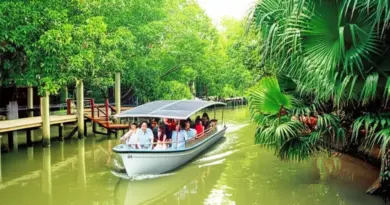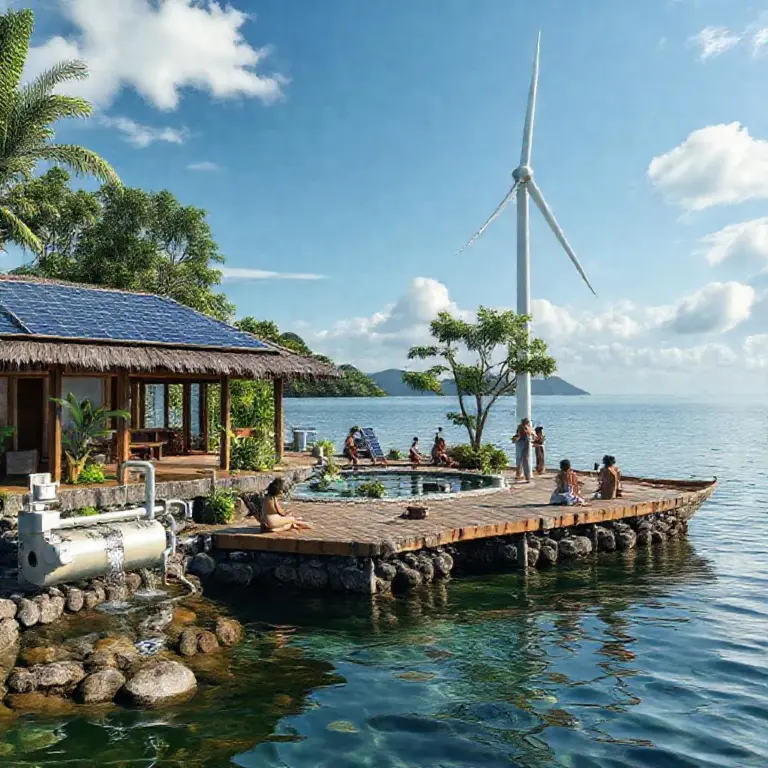
Eco-resort stay on Koh Kood: wastewater treatment and renewable energy in action — sustainable hospitality that guests can experience
- Eco-resort stay on Koh Kood: wastewater treatment and renewable energy in action — sustainable hospitality that guests can experience
The pristine beaches and turquoise waters of Koh Kood, Thailand, attract travelers seeking untouched natural beauty. Increasingly, visitors are also seeking accommodations that respect this delicate ecosystem. The modern traveler wants more than just luxury; they demand transparency regarding environmental impact. This deep dive explores the tangible sustainability efforts—specifically wastewater treatment and renewable energy integration—that define an authentic Eco-resort stay on Koh Kood: wastewater treatment and renewable energy in action, allowing guests to experience hospitality that truly gives back to the environment.
When booking an island retreat, understanding the operational backbone is crucial for conscious travelers. Koh Kood, being a relatively remote island, faces unique challenges in utility infrastructure. Top-tier eco-resorts address this head-on by implementing self-sufficient, cutting-edge systems, turning potential liabilities into showcases of sustainable innovation.
The Imperative of Sustainable Hospitality on Thai Islands
Thailand’s tourism success relies heavily on preserving its natural assets. For islands like Koh Kood, where sensitive coral reefs and mangrove systems surround the coastline, unchecked waste disposal is an existential threat. Sustainable hospitality is not a trend here; it is a necessity for long-term viability. Resorts pioneering this shift are demonstrating expertise in resource management that goes far beyond simply using bamboo straws.
Moving Beyond Greenwashing: Measurable Impact
Authentic eco-resorts differentiate themselves through measurable action. They don’t just claim to be green; they showcase their closed-loop systems. Guests paying a premium for an Eco-resort stay on Koh Kood: wastewater treatment and renewable energy in action expect to see solar panels, greywater recycling systems, and comprehensive waste management protocols.
Wastewater Treatment: Protecting Koh Kood’s Precious Waters
The most critical environmental challenge for any resort is handling wastewater. Discharging untreated or poorly treated effluent directly into the marine environment can decimate local ecosystems. Leading Koh Kood resorts employ sophisticated, multi-stage treatment processes.
Biological Treatment Systems in Action
Most advanced systems rely on biological processes to break down organic matter:
- Anaerobic Digestion: Initial breakdown of high-strength sewage in the absence of oxygen.
- Aerobic Treatment (Activated Sludge or MBBR): Introducing oxygen to encourage beneficial bacteria to consume pollutants.
- Tertiary Filtration: Utilizing sand filters or membrane bioreactors (MBR) to polish the water quality to near-potable standards.
Greywater Recycling: A Smart Approach
Greywater (from sinks and showers) is often separated from ‘blackwater’ (toilets). This less contaminated stream is treated using natural systems, such as constructed wetlands or simple filtration, making it ideal for non-potable uses like flushing toilets or garden watering. This duality demonstrates the resort’s holistic approach to water stewardship.
Harnessing the Sun: Renewable Energy on the Island
Electricity generation on remote islands often relies on diesel generators, which are noisy, polluting, and expensive. Sustainable resorts on Koh Kood are aggressively pivoting towards solar photovoltaic (PV) systems. This transition is visible evidence of their commitment to renewable energy, directly impacting air quality and reducing their carbon footprint.
Solar PV Integration and Energy Management
The implementation of solar energy is typically layered:
- Rooftop Arrays: Maximizing unused roof space across villas and service buildings to capture daytime energy.
- Battery Storage: Essential for maintaining power supply after sunset, stored energy ensures uninterrupted service without relying on backup generators.
- Energy Efficiency Audits: Utilizing smart sensors, LED lighting, and high-efficiency HVAC systems to reduce overall consumption before generating power.
For the guest, this means quiet mornings and evenings, free from generator noise, and the satisfaction of knowing their air conditioning draw is powered by the sun. This combination of reduced demand and clean supply is what defines true sustainable hospitality.
To get a better sense of the stunning natural environment these resorts are protecting, here is a visual tour of the island:
While solar provides daytime power, some resorts are exploring biomass or small-scale hydro where geographically feasible, though solar remains the cornerstone of the Eco-resort stay on Koh Kood: wastewater treatment and renewable energy in action narrative.
Experiencing Sustainability: What Guests See and Feel
The goal of these integrated systems is often invisible, but the result is tangible comfort and peace of mind. Guests experience sustainability through:
- Food Sourcing: Many resorts maintain organic gardens, drastically cutting food miles.
- Waste Segregation: Visible, well-managed recycling centers that handle plastics, glass, and organic waste (often composted on-site).
- Educational Opportunities: Guided tours of the treatment plants or solar installations, turning infrastructure into an attraction.
For those wishing to see the exact location of this pioneering work, a geographical context helps:
The Future of Green Stays in Thailand
Koh Kood is setting a benchmark for responsible development in Thailand. The success stories here—where advanced wastewater treatment meets robust renewable energy infrastructure—provide a blueprint for other island destinations facing similar environmental pressures. Choosing such a resort means your travel dollars directly support environmental stewardship, ensuring the island remains pristine for generations to come. This level of operational transparency solidifies the value proposition for the modern, eco-conscious tourist.
คำถามที่พบบ่อย (FAQ)
Here are answers to common questions regarding sustainable stays on Koh Kood.
No. Only dedicated eco-resorts and newer, high-end properties typically invest in advanced, self-contained wastewater treatment systems. It is essential to verify the resort’s specific environmental policies before booking.
The percentage varies widely. Best-in-class resorts aim for 50% or more during daylight hours, often utilizing battery banks to supplement evening power needs, reducing reliance on diesel generators significantly.
Many resorts that invest heavily in these systems, particularly those focused on education, offer guided tours of their water treatment areas and solar arrays to demonstrate their commitment to responsible tourism.
The primary benefit is the reduction in demand for freshwater extraction, which helps maintain the island’s natural water table and reduces strain on limited local resources.
References
- Thai Energy Policy and Renewable Energy Integration
- UNESCAP Sustainable Development Goals for Island Nations
- Directory Information on Koh Kood Hospitality Standards
- Why choose an eco-resort on Koh Kood? — search intent, benefits of visiting, and what sustainable practices travelers care about
- How Koh Kood eco-resorts treat wastewater — onsite systems, natural wetlands, sequencing batch reactors, and water reuse for landscaping
- Renewable energy solutions powering island resorts — solar PV, battery storage, microgrids, and hybrid systems adapted to Koh Kood