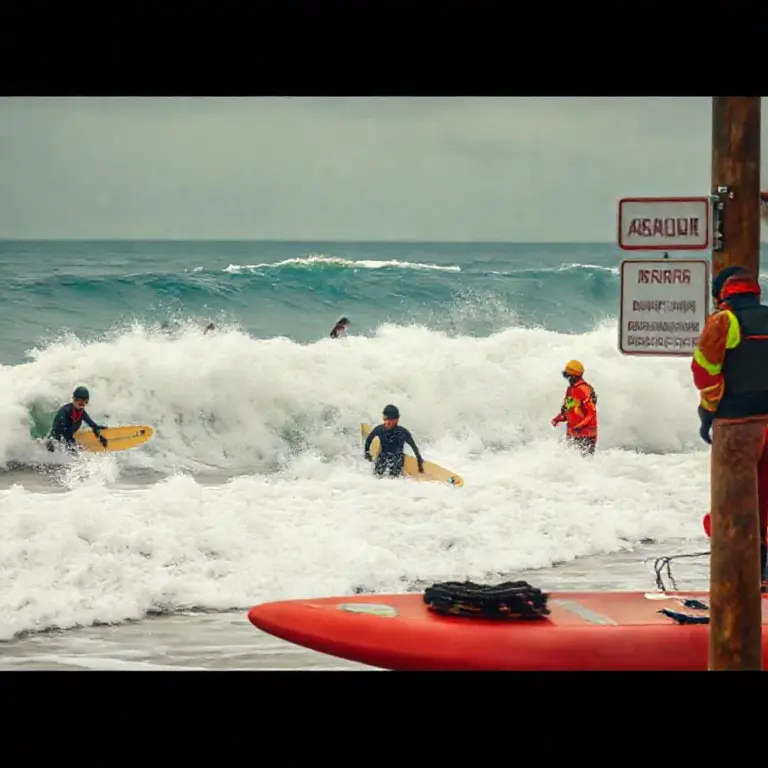
Safety and weather considerations during monsoon surfing: swell behavior, rip currents, wetsuits, cancellation policies, and emergency procedures
- Safety and weather considerations during monsoon surfing: swell behavior, rip currents, wetsuits, cancellation policies, and emergency procedures
Thailand, famed for its idyllic tropical beaches, often sees a dramatic transformation during the southwest monsoon season (typically May to October). While the crowds thin out, experienced surfers flock to the Andaman coast for powerful, consistent swells. However, this shift in ocean dynamics demands rigorous attention to Safety and weather considerations during monsoon surfing: swell behavior, rip currents, wetsuits, cancellation policies, and emergency procedures. For Thailand Tourism enthusiasts looking to chase the waves during this intense period, preparedness is not optional—it is essential for survival and enjoyment.
Understanding Monsoon Swell Behavior in Thailand
The character of the waves changes entirely when the monsoon winds pick up. Unlike the gentle groundswell of the dry season, monsoon swells are often wind-driven, resulting in choppier, less organized wave faces. This requires surfers to adapt their technique and expectations.
Swell Direction and Spot Selection
The primary surfing regions, like Phuket (Kata and Kalim beaches) and Khao Lak, face the Andaman Sea. During the monsoon, the prevailing southwesterly winds create onshore or cross-shore conditions, which can make the waves messy. Expert surfers often seek out sheltered bays or breaks that are protected from the direct brunt of the wind. Always consult local surf reports, as a spot that is perfect one day can become dangerously powerful the next due to shifting pressure systems.
The Impact of Heavy Rainfall
Heavy, sustained rainfall significantly affects water quality, especially near river mouths or urban runoff areas. While the ocean is vast, minimizing time spent in highly contaminated water is a key safety consideration. Furthermore, reduced visibility underwater due to suspended sediment can obscure hazards like rocks or marine life.
The increased energy in the water during the monsoon season drastically increases the risk and power of rip currents. Understanding how to identify and escape them is perhaps the most crucial element of Safety and weather considerations during monsoon surfing.
Identifying Monsoon Rip Currents
Rips are channels of fast-moving water draining water away from the shore. During storms, they become stronger and more unpredictable.
- Visual Cues: Look for a channel of churning, choppy water; a line of foam, seaweed, or debris moving steadily seaward; or a noticeable break in the incoming wave pattern.
- When in Doubt, Don’t Go Out: If the conditions look too rough to safely handle, respect the ocean. Monsoon swells can easily overpower even intermediate surfers.
Emergency Response Protocol
If caught in a rip current, remember the mantra: Float, Don’t Fight. Swim parallel to the shore until you break free of the current’s pull, then swim back to the beach at an angle. Never try to swim directly against a powerful rip. Always surf with a buddy during these conditions.
Crucial Safety Tip:
Never surf alone during peak monsoon activity. Ensure someone on shore knows your plans.
Essential Gear: Wetsuits and Equipment for Tropical Storms
While Thailand’s water temperatures rarely drop below 25°C (77°F), the combination of wind chill, rain, and extended time in the water necessitates careful gear selection. Proper equipment mitigates hypothermia risk and improves performance.
Wetsuit Selection for Monsoon Conditions
Forget thick neoprene. The primary need is protection from wind chill and abrasion. Most surfers opt for a 2mm Spring Suit or a 1mm Neoprene Vest/Rashguard combo.
Board Choice
Given the choppy, powerful nature of monsoon waves, many surfers prefer slightly thicker, longer boards (funboards or mid-length) for better paddle power and stability over a small, thin shortboard. Stability is key when paddling out against strong currents.
Logistics and Commercial Considerations: Cancellation Policies
Booking surf camps or lessons during the monsoon requires a clear understanding of commercial terms. Surfing is inherently weather-dependent, and tour operators must have transparent policies.
When booking with a surf school in areas like Phuket or Krabi during the wet season, always confirm the following:
- Weather-Related Cancellation: What happens if the surf is deemed too dangerous (e.g., lightning present or dangerously high winds)? Most reputable schools will offer a rain check or reschedule.
- Refund Policy: If rescheduling is impossible, is a partial or full refund provided?
- Alternative Activities: If surfing is impossible, do they offer alternative activities (e.g., surf theory lessons, cultural tours) to substitute the lost time?
For independent travel, remember that accommodation prices may be lower, but services can be reduced. Always check reviews specifically mentioning monsoon season operations.
Emergency Procedures and Local Knowledge
While we hope for calm seas, mastering the emergency procedures is the final, crucial step in safe monsoon surfing. In Thailand, local communication channels are key.
If you witness a surfer in distress, do not attempt a rescue unless you are a highly capable swimmer trained in surf rescue. Instead, immediately alert the nearest lifeguard or local resident who can contact emergency services. Have local emergency numbers saved on your phone before you enter the water.
Essential Monsoon Surf Safety Briefing
Watch this short guide on dealing with dynamic ocean conditions common during the rainy season in Southeast Asia:
Ultimately, successful monsoon surfing in Thailand is a balance between chasing the best swell and respecting the ocean’s power. By prioritizing preparation—understanding the swell, respecting rip currents, using appropriate gear, and knowing the commercial policies—you can safely enjoy the unique thrill the Andaman offers during the wet season.
คำถามที่พบบ่อย (FAQ)
Find quick answers to common questions regarding monsoon surfing safety in Thailand.
Is monsoon surfing in Thailand safe for beginners?
Generally, no. The monsoon season produces powerful, messy waves and strong currents that are often too challenging for novice surfers. Beginners should stick to the dry season (November to April) or take lessons only on the most sheltered, small-wave days, always with certified instructors who prioritize safety checks.
How do I know if a surf school’s cancellation policy is fair during the monsoon?
A fair policy should offer a full reschedule or credit if conditions are deemed unsafe by the instructor due to lightning, extreme winds, or dangerously high surf. Avoid any operator that pressures you to surf when conditions are clearly hazardous.
What is the biggest difference between dry season and monsoon swell?
Dry season swells are usually cleaner, more organized groundswells generated by distant weather systems, offering smoother rides. Monsoon swells are typically wind-driven, onshore, and choppier, requiring more physical exertion and better wave reading skills.
Should I surf when there is lightning nearby?
Absolutely not. Water conducts electricity exceptionally well. If you hear thunder or see lightning, exit the water immediately and seek sturdy shelter inland. This is a non-negotiable aspect of water safety.
References
Understanding and Escaping Rip Currents
Global Surf Forecast and Weather Data
- Surfing in Khao Lak: Beginner Lesson Packages During Monsoon Season — Where to Learn, What to Expect, Safety Tips, and Best Deals
- Why choose Khao Lak for beginner surfing in the monsoon season: conditions, crowd levels, and timing for learners
- What beginner lesson packages include: lesson structure, equipment, instructor qualifications, and tailored programs for monsoon conditions