What is Nang Talung? Overview of Nakhon Si Thammarat’s Shadow Puppet Tradition and History
- What is Nang Talung? Overview of Nakhon Si Thammarat’s Shadow Puppet Tradition and History
Welcome to the vibrant cultural heart of Southern Thailand! For travelers seeking authentic, deep-rooted Thai experiences beyond the bustling beaches and temples of Bangkok, a journey into the traditions of Nakhon Si Thammarat reveals a true treasure: Nang Talung. This ancient art form, the regional shadow puppet theater, is far more than simple entertainment; it is a living chronicle of Southern Thai history, religion, and social commentary. Understanding Nang Talung offers a profound insight into the soul of this fascinating province.
The Essence of Nang Talung: Southern Thailand’s Shadow Play
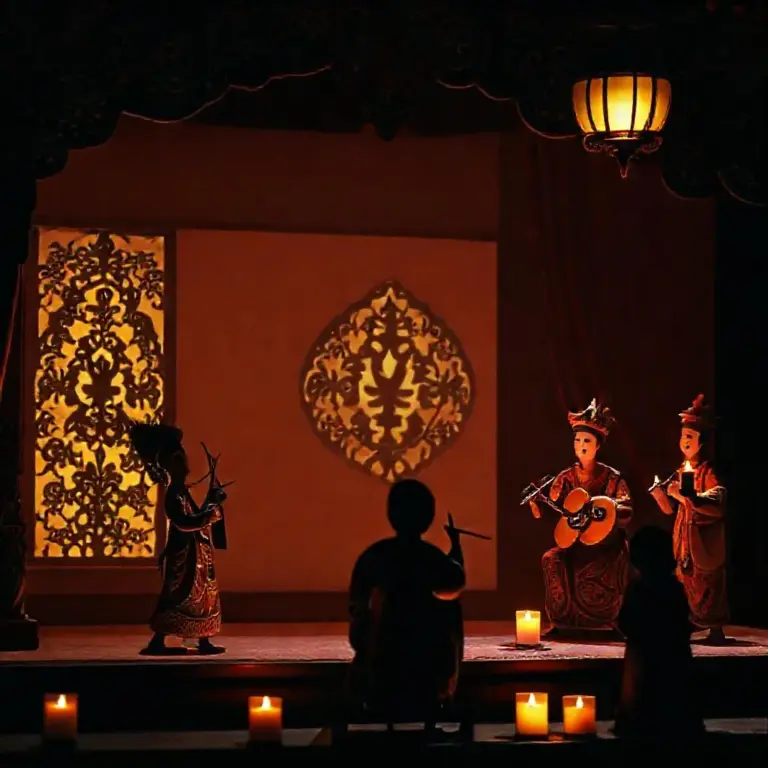
Nang Talung (meaning ‘leather puppets’) is a centuries-old form of shadow puppetry native to the southern provinces of Thailand, with Nakhon Si Thammarat recognized as its spiritual and artistic epicenter. Unlike its more widely known cousin, the central Thai *Nang Yai*, Nang Talung is characterized by its smaller, more intricate puppets and its use of spoken dialogue, often infused with local dialects and wit. The performance involves projecting light through intricately cut leather figures onto a white cloth screen, bringing epic tales and contemporary satire to life.
Defining Characteristics of the Art Form
The artistry involved in creating and performing Nang Talung is immense. Here are the key elements that define this tradition:
- Puppet Construction: The puppets are crafted from cured animal hide, meticulously carved, painted, and assembled with movable joints. Their size is typically small enough to be handled by one performer, usually between 30 and 50 centimeters high.
- Dialogue and Narration: This is the crucial differentiator. The *Nang Talung* performer, or *Nang Yai*, not only narrates the story but also improvises dialogue, sings, and often incorporates social commentary, making each performance unique and timely.
- Musical Accompaniment: The performance is accompanied by a traditional ensemble, usually featuring drums, gongs, and stringed instruments, setting the rhythm and emotional tone of the narrative.
Traveler Tip:
When visiting Nakhon Si Thammarat, look for performances held during local festivals or visit dedicated cultural centers where masters still practice this delicate craft.
A Deep Dive into Nang Talung History and Origins
The roots of Thai shadow puppetry are deeply intertwined with the ancient Hindu-Buddhist epics and the cultural exchange across Southeast Asia. While the large-scale Nang Yai is often traced back to the Ayutthaya period, Nang Talung developed distinctly in the South, influenced by Malay and possibly Indian traditions.
The Influence of the South
The geographical location of Nakhon Si Thammarat, historically a major trading port, facilitated the absorption of diverse cultural influences. Unlike the royal court-patronized Nang Yai, Nang Talung evolved as a folk art, performed primarily in village squares and temples during ceremonies or local fairs. This accessibility allowed it to become a powerful medium for transmitting moral lessons and local news.
The stories traditionally adapted for Nang Talung were drawn from the Ramakien (the Thai version of the Ramayana), Jataka tales, and local folklore. However, the genius of the southern puppeteers was their ability to weave in contemporary events—a political scandal, a poor harvest, or a local celebrity’s antics—into the ancient narratives, ensuring the art remained relevant across generations. Watch a demonstration of the intricate movements of Nang Talung here.
The Master Puppeteers (Nang Yai)
The preservation of Nang Talung rests on the shoulders of dedicated masters. Becoming a recognized *Nang Yai* requires decades of dedication—learning the carving techniques, memorizing complex epics, mastering the musical accompaniment, and developing the vocal range for character differentiation. These masters are cultural custodians, often teaching apprentices in a master-apprentice model that ensures the traditional knowledge is passed down faithfully.
Experiencing Nang Talung Today: A Must-See for Tourists
While globalization and modern entertainment pose challenges, Nang Talung is experiencing a renaissance, particularly driven by cultural preservation efforts and the curiosity of international tourists. Visiting Nakhon Si Thammarat provides the best opportunity to witness this magic firsthand.
Where to Find Authentic Performances
To truly appreciate the art of Nang Talung, seek out venues dedicated to its promotion:
- The Museum of Southern Folk Arts and Culture (Nakhon Si Thammarat): Often hosts demonstrations and houses extensive collections of historic puppets.
- Local Temple Fairs (Wat): Check local schedules, especially around major Buddhist holidays, as performances are traditional features of these events.
- Dedicated Puppet Troupes: Some established families maintain private theaters or studios open to respectful visitors for private viewings.
| Feature | Nang Talung (South) | Nang Yai (Central) |
|---|---|---|
| Size | Smaller, handheld | Larger, often requiring two people |
| Dialogue | Spoken, improvised, witty | Mostly chanted narration |
| Primary Focus | Folk stories, satire | Royal epics (Ramakien) |
The Art of the Carving
The visual impact of the performance relies entirely on the craftsmanship of the puppets. The process involves sketching the design onto the hide, painstakingly cutting out the intricate patterns using sharp knives, and then coloring the figure with natural dyes. The subtle perforations created during the carving allow light to pass through, creating a shimmering, ethereal effect on the screen. This level of detail represents an investment of many weeks or even months per character.
Preserving the Legacy for Future Travelers
As Thailand continues to modernize, the challenge for traditions like Nang Talung is maintaining relevance without sacrificing authenticity. Cultural organizations and dedicated artists are working hard to ensure that the legacy of Nakhon Si Thammarat’s shadow puppet tradition endures. For the discerning traveler, supporting these artists through attendance and patronage is a vital way to contribute to the conservation of intangible cultural heritage. It is a mesmerizing, unforgettable piece of Thai artistry that truly deserves a place on your itinerary.
คำถามที่พบบ่อย (FAQ)
References
- Nang Talung Shadow Puppetry Workshop in Nakhon Si Thammarat with a Master Artisan: Authentic Hands-On Experience and Cultural Insights
- Why join a Nang Talung workshop? Benefits of learning from a master artisan and what to expect in a hands-on class
- How to participate: Practical details — workshop schedules, booking, costs, language, and accessibility in Nakhon Si Thammarat