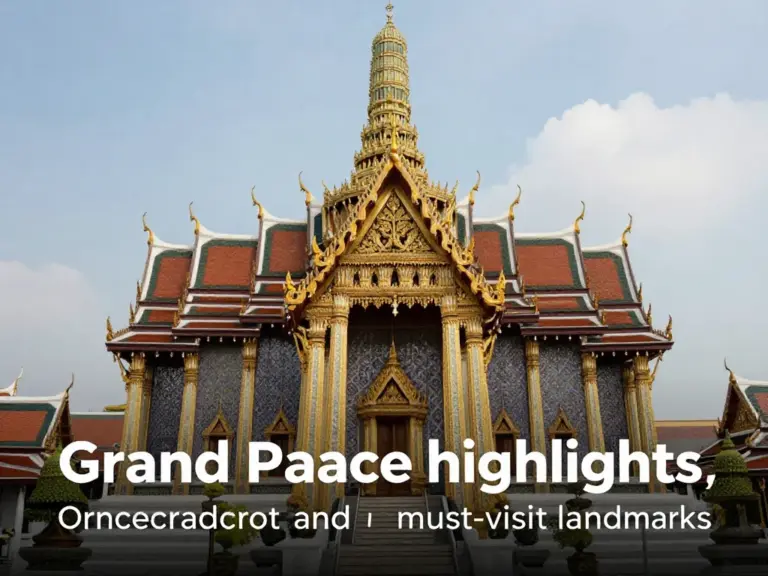
What to See at the Grand Palace: Key Highlights, Architecture, and Must-Visit Areas
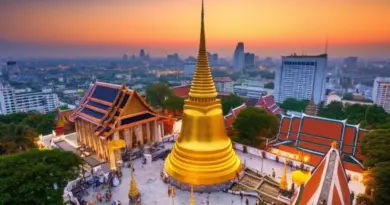
The Grand Palace in Bangkok stands as the ultimate symbol of Thai royal splendor and historical resilience. For travelers crafting their itinerary, knowing What to See at the Grand Palace is essential to navigating this sprawling 218,000-square-meter complex effectively. Built in 1782, this site served as the official residence of the Kings of Siam and remains the spiritual heart of the nation. Whether you are a history buff or a casual traveler, this guide will help you uncover the artistry and cultural significance behind its most iconic structures.
The Temple of the Emerald Buddha (Wat Phra Kaew)
No visit to the Grand Palace is complete without stepping into the Temple of the Emerald Buddha. As the most sacred Buddhist temple in Thailand, it houses the Phra Kaew Morakot (Emerald Buddha), a statue carved from a single block of jade. The architecture here is a masterclass in Thai craftsmanship, featuring intricate gold leaf work, colorful glass mosaics, and towering spires that catch the sunlight. Remember, photography is strictly prohibited inside the main ordination hall, so take a moment to simply absorb the serene atmosphere.
Key Architectural Highlights and Structures
Beyond the religious sites, the palace grounds feature a fascinating blend of traditional Thai design and European neoclassicism. The Chakri Maha Prasat Hall is a prime example of this “East meets West” aesthetic. While the base is distinctly Italian Renaissance in style, the roof is crowned with classic Thai mondop spires. This unique fusion reflects the modernization efforts of King Rama V.
Must-Visit Areas within the Complex
To make the most of your trip, ensure you explore these specific zones:
- The Borom Phiman Hall: A stunning, French-inspired building that serves as a royal guesthouse for visiting heads of state.
- The Phra Maha Monthien Buildings: These represent the oldest part of the palace and were traditionally used for royal ceremonies and coronations.
- The Queen Sirikit Museum of Textiles: Located near the entrance, this museum offers a fascinating look at the intricate Thai silks and royal costumes throughout the centuries.
| Area | Key Feature |
|---|---|
| Wat Phra Kaew | The Emerald Buddha |
| Chakri Maha Prasat | Thai-European fusion architecture |
| Outer Court | Historical administration buildings |
คำถามที่พบบ่อย (FAQ)
What is the best time of day to visit the Grand Palace?
The best time to visit is right when it opens at 8:30 AM. Arriving early helps you avoid the intense afternoon heat and the largest crowds of tour groups.
Are there guided tours available at the Grand Palace?
Yes, audio guides are available for rent at the entrance, and there are many licensed tour guides available near the ticket booth who can provide deeper historical context.
Can I bring my own food and drinks inside?
While you can carry water, large amounts of food are generally discouraged. There are plenty of cafes and shops located just outside the palace walls for refreshments.
Is the Grand Palace wheelchair accessible?
Most of the main areas are accessible, but some parts have uneven pathways or stairs. It is recommended to check with the information desk upon entry for the best accessible route.
References
- Bangkok’s Grand Palace & Wat Pho: A Complete Guide to Thailand’s Most Iconic Temples and Historic Landmarks
- Why Visit Bangkok’s Grand Palace and Wat Pho? A Quick Overview of Their History and Cultural Significance
- Exploring Wat Pho: The Reclining Buddha, Temple Grounds, and Traditional Thai Massage Heritage