Responsible Wildlife Viewing: Eco-Friendly Practices, Conservation Efforts, and How Tours Support Local Communities
- Responsible Wildlife Viewing: Eco-Friendly Practices, Conservation Efforts, and How Tours Support Local Communities
Thailand is home to some of the world’s most breathtaking biodiversity, from majestic Asian elephants to elusive clouded leopards. As tourism continues to grow, the importance of Responsible Wildlife Viewing has never been more critical. Travelers today are increasingly seeking ways to connect with nature without causing harm. This guide explores how you can enjoy Thailand’s natural wonders while contributing to conservation and supporting the livelihoods of local communities through ethical practices.
The Core Principles of Responsible Wildlife Viewing
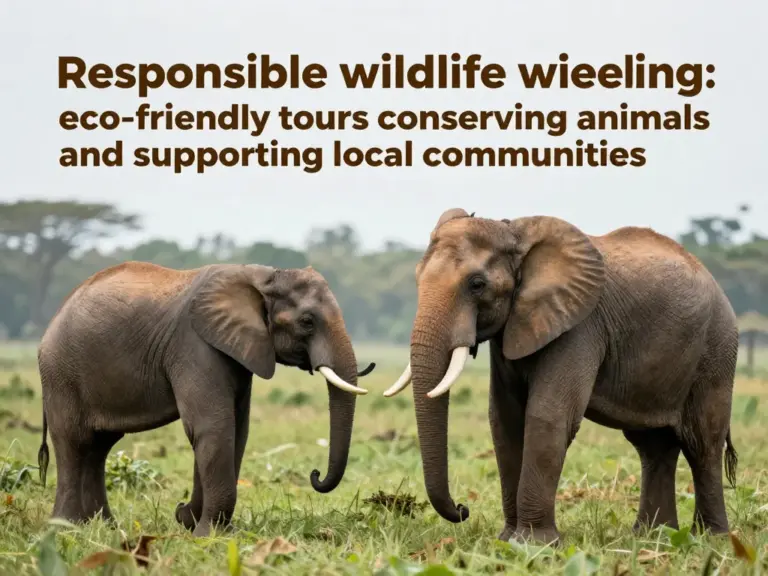
Responsible wildlife viewing is built on the foundation of respect. It means observing animals in their natural habitat without disrupting their normal behaviors. In Thailand, this often involves visiting national parks like Khao Yai or Kui Buri. The golden rule is simple: Keep your distance. Using binoculars or long-focus camera lenses allows you to witness the beauty of a wild animal without causing it stress or fear.
- Maintain a safe and respectful distance at all times.
- Never feed wild animals; it disrupts their natural diet and creates dependency.
- Keep noise levels to a minimum to avoid startling the fauna.
- Avoid flash photography, which can be disorienting and harmful to animal eyes.
Eco-Friendly Practices for Sustainable Exploration
Beyond how we interact with animals, our physical presence in their environment matters. Eco-friendly practices involve minimizing our carbon footprint and physical impact. When trekking through the jungles of Chiang Mai or diving in the Andaman Sea, ‘Leave No Trace’ principles are essential. This means carrying out all trash, staying on designated paths to prevent soil erosion, and choosing reef-safe sunscreens to protect coral ecosystems.
| Practice | Impact on Environment | Benefit to Wildlife |
|---|---|---|
| Staying on Trails | Reduces habitat fragmentation | Protects nesting sites |
| Zero Waste Policy | Prevents pollution | Avoids accidental ingestion by animals |
| Reef-Safe Sunscreen | Protects water quality | Maintains healthy marine biodiversity |
Conservation Efforts: Protecting Thailand’s Heritage
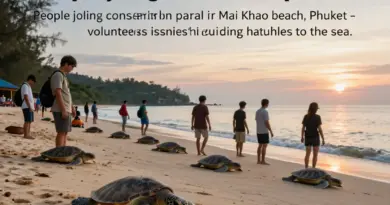
Conservation is a collaborative effort between the government, NGOs, and the private sector. In Thailand, initiatives like the reintroduction of the Sarus Crane and the protection of sea turtle nesting beaches in Phang Nga are success stories of dedicated conservation work. Many ethical tours contribute a portion of their proceeds directly to these projects. By choosing a tour that is transparent about its conservation contributions, you are directly funding the protection of endangered species and the restoration of their habitats.
How Ethical Tours Support Local Communities
Sustainable tourism is not just about the environment; it’s about people. Responsible wildlife viewing tours often employ local guides who possess ancestral knowledge of the land. This provides an economic incentive for communities to protect wildlife rather than engage in activities like poaching or deforestation. When you book a community-based tour, your money stays within the local economy, supporting schools, healthcare, and infrastructure, creating a virtuous cycle of conservation and prosperity.
คำถามที่พบบ่อย (FAQ)
What is the most important rule of responsible wildlife viewing?
How can I tell if a wildlife tour is ethical?
Why is feeding wildlife discouraged?
Do ethical tours cost more?
References
World Wildlife Fund (WWF) – Conservation Global
Tourism Authority of Thailand Newsroom
International Union for Conservation of Nature (IUCN)