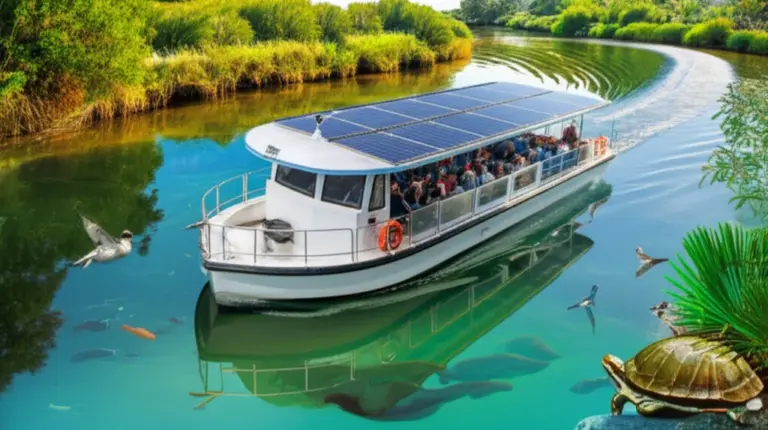
How solar-powered boat tours work: eco-friendly technology, route options, and what flora and fauna you’ll see
- How solar-powered boat tours work: eco-friendly technology, route options, and what flora and fauna you’ll see
- The Dawn of Silent Cruising: Why Solar Boats are Perfect for Thailand
- The Technology Under the Hood: How Solar-Powered Boat Tours Work
- Navigating Thailand’s Pristine Waters: Top Solar Tour Route Options
- What Flora and Fauna Await on Your Silent Journey
- Experience the Difference: Benefits of Choosing Solar
- คำถามที่พบบ่อย (FAQ)
Thailand, with its iconic limestone karsts, turquoise waters, and vibrant marine ecosystems, is a global tourism hotspot. However, the sheer volume of traditional diesel-powered vessels has raised legitimate environmental concerns. Enter the revolution: solar-powered boat tours. These innovative vessels offer travelers a way to explore Thailand’s fragile beauty responsibly, combining cutting-edge renewable energy with unparalleled tranquility. This guide dives deep into the mechanics, the best itineraries, and the stunning natural sights awaiting you on a zero-emission journey.
The Dawn of Silent Cruising: Why Solar Boats are Perfect for Thailand
The appeal of solar marine transport in Southeast Asia is twofold: environmental necessity and enhanced guest experience. Traditional combustion engines introduce significant noise pollution, which disturbs sensitive marine life, particularly near breeding grounds and shallow reefs. Furthermore, they release exhaust fumes directly into the pristine air, detracting from the immersive natural experience. Solar technology eradicates both issues, offering a whisper-quiet, emission-free alternative that aligns perfectly with Thailand’s growing commitment to sustainable tourism.
Understanding the Search Intent: Why Travelers Seek Eco-Friendly Options
Modern travelers are increasingly conscious of their carbon footprint. When searching for tours in places like Krabi or Phuket, the intent shifts from mere sightseeing to seeking ‘responsible travel’ or ‘green tours.’ This shift validates the investment in renewable energy solutions for commercial fleets. By choosing these tours, visitors actively participate in marine conservation efforts without sacrificing comfort or accessibility to remote locations.
The Technology Under the Hood: How Solar-Powered Boat Tours Work
While the concept sounds futuristic, the engineering behind modern solar boats is pragmatic and highly reliable, even in the intense tropical sun of the Andaman Sea. These vessels integrate standard photovoltaic technology with robust marine engineering.
Solar Panel Integration and Efficiency on Water
The efficiency of the solar array is crucial. Modern marine-grade photovoltaic panels are designed to withstand saltwater spray, humidity, and high temperatures while maximizing energy capture. These panels are typically mounted on the roof or canopy, providing shade for passengers while continuously charging the system. In Thailand’s high solar irradiation environment, these panels often generate more power during peak daylight hours than the boat consumes for low-to-moderate speed cruising.
Battery Storage and Propulsion Systems
The heart of any electric vessel is its battery bank. High-density Lithium-ion batteries are preferred for their low weight and high energy storage capacity. These batteries store the energy harvested during the day, allowing tours to operate smoothly during overcast periods or even into the early evening. Propulsion is handled by quiet, highly efficient electric motors, which drastically reduce maintenance compared to diesel engines and eliminate the risk of fuel spills.
Maintenance and Durability in Tropical Climates
While saltwater corrosion is a constant challenge in marine environments, modern solar boats utilize marine-grade aluminum or fiberglass hulls and specialized anti-fouling coatings. The simplicity of the electric drivetrain means fewer moving parts susceptible to wear and tear from sand, salt, and heat, leading to lower long-term operational costs and increased reliability for tour operators.
The true magic of these tours is accessing fragile areas without the disruptive noise and pollution of conventional boats. Here are some of the most celebrated destinations for eco-friendly travel Thailand.
Phang Nga Bay: The Quiet Exploration of Karsts
Phang Nga Bay, famous for James Bond Island (Khao Phing Kan), features towering limestone monoliths rising dramatically from the emerald sea. Solar boats allow visitors to glide silently through the sea caves (hongs) and narrow channels, offering a truly meditative experience away from the crowds and engine drone.
Krabi’s Island Hopping: Zero-Emission Adventures
In Krabi, solar tours often focus on less-visited spots around Railay Beach or Koh Lanta. The silent approach is perfect for snorkeling spots where fish are less likely to flee at the sound of an approaching engine, leading to better wildlife encounters.
Phuket’s Coastal Routes and Sunset Cruises
Many operators based in Phuket utilize solar power for leisurely sunset cruises or short hops to nearby islands like Racha or Coral Island. These tours emphasize relaxation, providing a smooth, vibration-free platform to enjoy the spectacular Andaman sunsets.
See the Silent Difference in Action
What Flora and Fauna Await on Your Silent Journey
The greatest reward of choosing zero-emission boat travel is the enhanced opportunity to observe wildlife undisturbed. The absence of engine noise allows marine life to behave naturally.
Marine Wonders: Coral Reefs and Tropical Fish
When approaching coral gardens, the quiet solar boat allows divers and snorkelers to hear the natural sounds of the reef—the crackling of parrotfish feeding, for instance. You are more likely to spot shy species of reef fish, sea turtles (Hawksbill and Green turtles are common), and even small reef sharks that are easily scared away by loud motors.
Coastal Flora and Mangrove Ecosystems
In areas like the estuaries feeding into Phang Nga Bay, solar boats navigate shallow mangrove forests. These critical ecosystems rely on stable conditions. The low draft and silent operation of electric boats ensure minimal disturbance to the intricate root systems and the juvenile fish that use them as nurseries.
Birdlife and Coastal Mammals
Look up! The coastal cliffs and islands are home to various seabirds, including sea eagles and hornbills. Furthermore, in certain areas around the Andaman coast, you might be lucky enough to spot pods of Irrawaddy dolphins or dugongs. These mammals are highly sensitive to acoustic pollution, making the silent passage of a solar vessel an invaluable asset for wildlife viewing.
Experience the Difference: Benefits of Choosing Solar
Choosing a solar-powered option is more than just a choice for the environment; it enhances your personal travel quality. Here is a summary of the key advantages:
| Feature | Traditional Boat | Solar Boat |
|---|---|---|
| Noise Level | Loud (Disturbs wildlife) | Near Silent (Enhanced wildlife viewing) |
| Emissions | High CO2 and pollutants | Zero Emissions |
| Vibration/Comfort | High vibration, engine smell | Smooth ride, clean air |
| Fuel Dependency | Requires constant refueling | Runs on free, renewable solar energy |
As Thailand continues to balance its massive tourism industry with ecological preservation, embracing technologies like these ensures that future generations can enjoy the same breathtaking seascapes. Supporting **solar-powered boat tours** directly funds the infrastructure for a greener future in Southeast Asian travel.
คำถามที่พบบ่อย (FAQ)
References
- Report on Sustainable Marine Transport in Southeast Asia
- Technical Specifications of Marine Photovoltaic Systems
- Solar-powered boat tour at Bang Krachao: Explore the urban forest, sustainability, and practical visitor tips
- Why Bang Krachao is Bangkok’s “Green Lung” and why a solar-powered boat tour is the best way to experience it
- When to go and how to plan your visit: best times, ticketing, guided vs self-guided tours, and getting to Bang Krachao