What to prepare before departure — packing list, travel insurance, health precautions, money, SIM cards, and currency exchange tips for Malaysia-Thailand trips
- What to prepare before departure — packing list, travel insurance, health precautions, money, SIM cards, and currency exchange tips for Malaysia-Thailand trips
The dream of exploring Southeast Asia often culminates in an exciting combined journey to Malaysia and Thailand. Preparing for Malaysia-Thailand trips requires more than just throwing clothes into a suitcase; it demands careful planning regarding health, finance, and connectivity. These two nations offer incredible diversity—from the bustling streets of Kuala Lumpur to the serene beaches of Phuket—but they require slightly different preparation strategies. This comprehensive guide ensures you cover all bases before your departure, guaranteeing a smooth and enjoyable adventure.
The Essential Pre-Departure Checklist for Malaysia-Thailand Trips
Before you start browsing for street food tours, ensure your foundational documentation is in order. This step is critical for avoiding delays and stress at immigration checkpoints.
Visa Requirements and Documentation
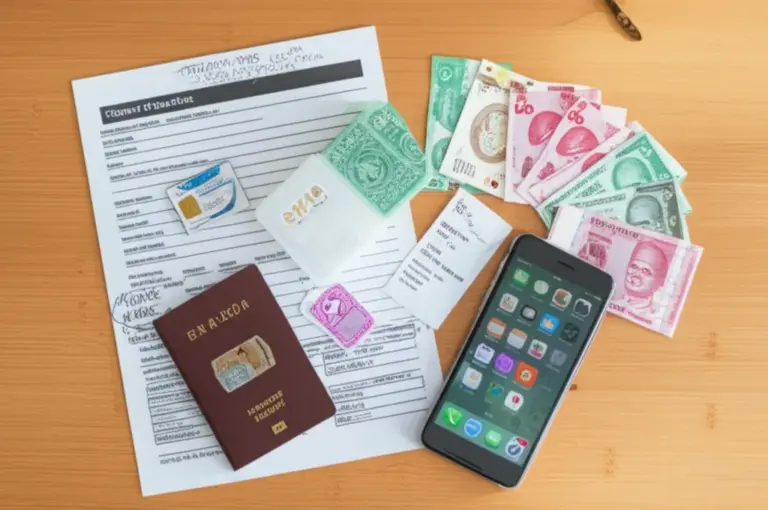
Ensure your passport is valid for at least six months beyond your planned date of departure from Southeast Asia. For many nationalities, Thailand offers a 30-day visa-exempt entry (if arriving by air) or 15 days (if arriving by land), while Malaysia often offers 90 days. Keep digital and physical copies of your passport, flight tickets, and hotel bookings separate from the originals.
Packing Smart: The Tropical Travel Guide
Both Malaysia and Thailand are hot, humid, and often rainy. Your packing list should prioritize lightness, breathability, and versatility.
Clothing and Essentials
- Lightweight, quick-drying fabrics (linen, cotton blends).
- Modest attire (long pants/skirts, covered shoulders) for visiting temples, mosques, and sacred sites.
- A compact travel umbrella or lightweight rain jacket, especially during monsoon season (typically May to October).
- Comfortable walking sandals or flip-flops (essential for easy removal when entering homes or temples).
Electronics and Connectivity
One of the trickiest parts of preparing for Malaysia-Thailand trips is the power adapter situation. Malaysia primarily uses the British Type G plug, while Thailand uses Type A, B, and C (often accepting US and European two-pin plugs). A universal adapter is non-negotiable.
Health and Safety: Insurance and Precautions
Comprehensive Travel Insurance (Must-Have)
Travel insurance is not a luxury; it is a necessity, particularly when visiting developing regions like Southeast Asia. Ensure your policy covers emergency medical evacuation, hospital stays, and unexpected trip cancellations. Medical costs, while generally lower than in Western countries, can still be substantial if serious treatment or repatriation is required. Verify that your insurance covers activities you plan to undertake, such as scuba diving or motorbiking.
Essential Health Preparations
Consult your doctor 4-6 weeks before departure regarding necessary vaccinations. Common recommendations include Hepatitis A and B, Typhoid, and Tetanus. Dengue fever is prevalent in both countries, so pack strong insect repellent containing DEET. Always drink bottled water, even when brushing your teeth, and be cautious with ice and street food (though missing out entirely would be a crime!).
Mastering Money: Currency, Exchange, and Budgeting
Managing two different currencies is a key component of successful Malaysia-Thailand trips. Malaysia uses the Ringgit (MYR), and Thailand uses the Baht (THB).
Ringgit (MYR) vs. Baht (THB)
While both countries are generally affordable, Thailand often offers slightly cheaper accommodation and food options, particularly outside major tourist hubs. Malaysia tends to be slightly more expensive, reflecting its robust infrastructure and higher cost of living in cities like Kuala Lumpur.
Best Practices for Currency Exchange
- Avoid Airport Exchanges: Rates at airports are notoriously poor. Exchange a small amount for immediate needs (taxi, food) and exchange the bulk in city centers.
- Use ATMs: ATMs are widely available. Ensure you notify your bank about your travel dates to avoid card freezing. Look for banks that offer favorable exchange rates and minimal international transaction fees (or use a travel-specific debit card).
- Cash is King: For markets, street vendors, and smaller establishments, cash is essential in both countries. Carry smaller denominations (50 and 100 Baht, 10 and 20 Ringgit notes) for convenience.
- Credit Cards: Major hotels, large restaurants, and shopping malls accept credit cards, but expect a surcharge in some smaller shops.
Staying Connected: SIM Cards and Data Plans
Staying connected is easy and affordable in Southeast Asia. Do not rely on international roaming; buy a local SIM card immediately upon arrival at the airport or a local mobile provider store.
| Country | Recommended Providers | Connectivity Tip |
|---|---|---|
| Thailand | AIS, TrueMove H, DTAC | Tourist SIMs (7, 15, or 30 days) are cheap and offer generous data packages. |
| Malaysia | Maxis, Celcom, Digi | Coverage is excellent, even in remote areas. Consider an e-SIM compatible with both countries for seamless transition. |
คำถามที่พบบ่อย (FAQ)
It depends entirely on your nationality. Most Western travelers receive visa waivers or visas on arrival for short stays (30-90 days) in both countries. However, you must check the specific requirements for your passport well in advance, especially if you plan to stay longer than 30 days or cross land borders frequently.
While USD is globally recognized, it is generally better to withdraw local currency (MYR and THB) directly from ATMs using a debit card that minimizes foreign transaction fees. If you must bring cash for exchange, major currencies like USD, EUR, or GBP are accepted at exchange booths, often giving better rates than exchanging your home currency directly.
No. It is strongly advised to only drink bottled or purified water throughout your Malaysia-Thailand trips. Use bottled water for brushing your teeth as well. Most hotels and hostels provide complimentary bottled water or have refill stations.
References
- World Health Organization Travel Advisories
- Tourism Authority of Thailand Official Site
- Tourism Malaysia Official Site
- From Malaysia to Thailand: Complete Cross-Border Trip Planner for 2025 — Visas, Transport, Money, and Safety
- How to check visa and entry requirements for Malaysians and other nationals entering Thailand (visa exemptions, e-visa, documents, COVID and vaccination rules)
- Best transport options and routes from Malaysia to Thailand — driving, bus, train, flights, and border crossings with tips on timings and border procedures