Staying Connected in Thailand: The Complete Guide to SIM Cards, eSIMs, and Wi‑Fi Options for Visitors and Expats
- Staying Connected in Thailand: The Complete Guide to SIM Cards, eSIMs, and Wi‑Fi Options for Visitors and Expats
For anyone traveling to or planning a long stay in the Kingdom of Thailand, maintaining reliable internet and phone access is crucial. Whether you need to navigate Bangkok’s bustling streets, share stunning photos from Phuket, or conduct business remotely, understanding the local connectivity landscape is the first step to a stress-free experience. This complete guide ensures you are fully prepared for **Staying Connected in Thailand**, covering everything from traditional physical SIM cards to modern eSIM technology and reliable Wi-Fi alternatives.
Why Connectivity Matters in Thailand
Thailand is a highly digitized country, and mobile data is essential. Applications like Grab (ride-hailing), LINE (primary messaging app), and Google Maps are indispensable for daily life and travel. Relying solely on international roaming is prohibitively expensive, making a local solution for **Staying Connected in Thailand** a necessity, not a luxury.
The Essential Guide to Thai SIM Cards
Thailand boasts excellent 4G and rapidly expanding 5G coverage, especially in major cities and tourist hubs. The market is dominated by three main carriers.
Major Mobile Providers (AIS, dtac, TrueMove H)
- AIS (Advanced Info Service): Widely considered the market leader, offering the most extensive network coverage, particularly strong in rural and island areas. Their ‘Tourist SIM’ packages are extremely popular.
- TrueMove H: Known for competitive pricing and strong urban coverage, especially in Bangkok. They often bundle free Wi-Fi access in shopping centers with their data packages.
- dtac (Total Access Communication): Offers reliable service and often provides attractive short-term data deals. They are a solid choice, particularly in central regions.
Tourist SIM Packages vs. Standard SIMs
| Type | Target User | Key Features |
|---|---|---|
| Tourist SIM | Short-term Visitors (7–30 days) | Unlimited high-speed data (up to a cap), bundled minutes, easy airport activation. |
| Standard Prepaid | Long-term Visitors/Expats | Requires more ID registration, offers lower base rates, allows flexible top-ups and monthly packages. |
Where to Buy and Activation Process
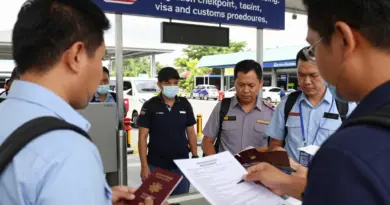
The most convenient place to purchase a Tourist SIM is immediately upon arrival at any major international airport (BKK, DMK, CNX, HKT). The carrier booths are located just after customs. You must present your passport for registration, as required by Thai law. Activation is usually handled instantly by the staff. Alternatively, you can purchase SIMs at 7-Eleven stores or official carrier shops in malls, though activation might be slightly slower.
Embracing the Future: eSIM Options in Thailand
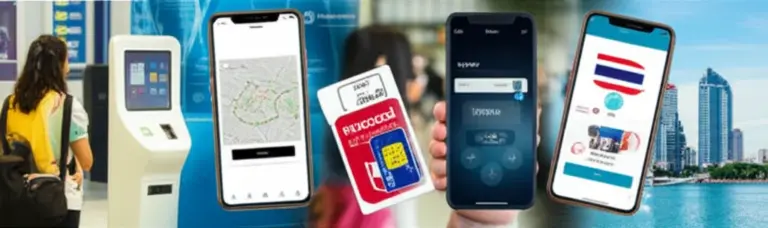
eSIM technology offers a seamless way to get online without needing a physical chip swap, making it an increasingly popular option for international travelers focused on **Staying Connected in Thailand**.
Benefits of Using an eSIM
- Dual Connectivity: Keep your home SIM active for receiving important calls/texts while using the Thai eSIM for data.
- Instant Activation: Purchase and activate your data plan online before you even leave home.
- No Physical Hassle: Avoid queues at airport booths or fumbling with tiny SIM cards.
Compatibility and Setup
While modern flagship phones support eSIM, confirm your device’s compatibility before relying on this option. Setup involves scanning a QR code provided by the eSIM vendor. Major Thai carriers (AIS, TrueMove H, dtac) offer eSIM options for both tourists and residents, alongside international eSIM resellers like Airalo or Holafly.
Alternatives to Mobile Data: Wi-Fi and Portable Hotspots
If you are planning a very short trip or prefer not to use a local SIM, Thailand still offers several reliable connectivity alternatives.
Public Wi-Fi Availability
Thailand has extensive free Wi-Fi. It is standard in virtually all hotels, hostels, major shopping centers, and chain cafes (like Starbucks or local coffee shops). However, public Wi-Fi is often unsecured, so using a VPN is highly recommended for sensitive transactions.
Pocket Wi-Fi Rentals
For groups traveling together or individuals requiring secure, high-speed access for multiple devices, renting a Pocket Wi-Fi (mobile hotspot) is a viable option. These devices can be collected at the airport and returned upon departure, offering unlimited data for a fixed daily fee.
Connectivity for Long-Term Stays (Expats)
For expats or those staying longer than 90 days, moving beyond prepaid tourist packages is advisable for better value and stability.
Postpaid Plans and Registration Requirements
To sign up for a monthly postpaid plan, you will generally need more documentation than for a prepaid SIM. Carriers typically require your passport, a non-immigrant visa (or relevant long-stay visa), and sometimes proof of address or a work permit. Postpaid plans usually offer better data rates, especially if you bundle mobile service with home fiber internet.
Tips for Maximizing Connectivity and Minimizing Costs
- Check Data Usage: Regularly dial the carrier’s USSD code (e.g., *121# for AIS) to check your remaining data balance and avoid unexpected charges.
- Download Offline Maps: Before venturing into remote areas or islands, download the relevant Google Maps regions offline.
- Use a VPN: Especially when using public Wi-Fi, a reliable VPN secures your data, protecting you from potential security threats.
- VoIP Apps: Use apps like LINE, WhatsApp, or Skype for international calls over Wi-Fi or data, as international calling minutes are expensive.
คำถามที่พบบ่อย (FAQ)
Yes, absolutely. All major carriers (AIS, dtac, TrueMove H) have booths immediately upon arrival at Suvarnabhumi (BKK) and Don Mueang (DMK) airports. This is often the easiest and fastest way to get connected and start **Staying Connected in Thailand** immediately.
Tourist SIMs are specifically designed for short stays (7-30 days), offering high-speed, unlimited data bundles, often with special perks. Standard Prepaid SIMs require more extensive registration and are better suited for expats or long-term visitors who plan to top up frequently.
Yes, connectivity is excellent. Most hotels, cafes, restaurants, and shopping malls offer free, reliable Wi-Fi. However, for continuous, secure access while traveling between locations, a local SIM or eSIM is highly recommended.
Yes, Thai law requires all new SIM card activations (both prepaid and postpaid) to be registered using a valid passport. This process is quick and usually handled by the vendor staff.
References
- Choosing the Right SIM Card in Thailand: Tourist SIMs vs. Long-term Plans, Coverage, and Providers (AIS, TrueMove H, DTAC)
- How to Buy, Activate, and Top Up a Thai SIM or eSIM: Step‑by‑Step Setup, Required Documents, and Troubleshooting
- Managing Mobile Data, Roaming, and Cost‑Saving Tips: Data Packages, Unlimited Plans, Hotspots, and Avoiding Bill Shocks