How to Choose the Best Transport Mode in Thailand: Comparing Trains, Buses, Planes, and Boats for Cost, Comfort, and Time
- How to Choose the Best Transport Mode in Thailand: Comparing Trains, Buses, Planes, and Boats for Cost, Comfort, and Time
- Understanding Your Travel Priorities
- Planes: Speed and Convenience for Long Distances
- Trains: Scenic Journeys and Overnight Comfort
- Buses: The Budget-Friendly Backbone of Thai Travel
- Boats: Gateway to Thailand’s Islands and Coastal Beauty
- Comparing Transport Modes: Cost, Comfort, and Time at a Glance
- Local Transportation within Cities and Towns
- Tips for Choosing Your Transport Mode
- Conclusion
- คำถามที่พบบ่อย (FAQ)
Thailand, a land of captivating culture, stunning landscapes, and vibrant cities, offers an incredible array of experiences for every traveler. Navigating this diverse country efficiently is key to maximizing your adventure. Choosing the best transport mode in Thailand depends heavily on your priorities: are you seeking the most economical route, the quickest journey, or the most comfortable ride? This comprehensive guide breaks down the pros and cons of trains, buses, planes, and boats to help you make informed decisions for your Thai travels.
Understanding Your Travel Priorities
Before diving into the specifics, consider what matters most for your trip:
- Cost: Are you on a tight budget or willing to spend for convenience?
- Comfort: Do you prioritize spacious seating, air conditioning, and amenities?
- Time: Is speed essential, or do you prefer a leisurely journey to soak in the scenery?
- Destination: Are you heading to a bustling city, a serene beach, or a remote jungle?
Your answers will guide you toward the ideal transportation choices.
Planes: Speed and Convenience for Long Distances
For covering significant distances across Thailand, domestic flights are undeniably the fastest option. Major airlines like Thai Airways, AirAsia, Nok Air, Thai Lion Air, and VietJet Air offer frequent connections between popular hubs like Bangkok (Suvarnabhumi BKK and Don Mueang DMK), Chiang Mai, Phuket, Krabi, and Koh Samui. [4, 7, 22] Fares can be surprisingly affordable, especially if booked in advance or during promotions, sometimes comparable to bus or train tickets. [6, 18, 22] This makes flying a strong contender for the best transport mode in Thailand when time is of the essence.
Pros of Air Travel:
- Speed: A flight from Bangkok to Chiang Mai takes about 1-2 hours, compared to 8-15 hours by land. [3, 4, 8]
- Comfort: Generally more comfortable than long bus or train journeys, especially for those sensitive to motion sickness.
- Extensive Network: Connects major tourist destinations and even some provincial capitals. [7]
Cons of Air Travel:
- Cost: Can be the most expensive, particularly for last-minute bookings or full-service carriers. [8, 17]
- Airport Transfers: Airports are often outside city centers, requiring additional time and cost for transfers. [7, 12]
- Environmental Impact: Less sustainable than land or sea travel.
- Luggage Restrictions: Budget airlines can be strict with baggage weight and size. [7]
Trains: Scenic Journeys and Overnight Comfort
Thailand’s railway network, operated by the State Railway of Thailand (SRT), offers a more traditional and often scenic way to explore the country. [7, 16] While slower than flying, trains provide a unique travel experience, especially the popular overnight sleeper trains between Bangkok and Chiang Mai. [4, 7, 8] These journeys can save on accommodation costs and offer various classes, from basic third-class seats to private first-class sleeper cabins. [5, 13, 16, 20] The new Krung Thep Aphiwat Central Terminal in Bangkok is a major hub for long-distance routes. [7]
Pros of Train Travel:
- Comfort: Sleeper trains offer beds, making overnight journeys restful. [4, 5, 13, 20]
- Scenery: Enjoy views of the Thai countryside. [5, 7]
- Cost-Effective: Can be cheaper than flights, especially for sleeper options that combine travel and accommodation. [8, 20]
- Experience: A classic way to travel in Thailand, offering a glimpse into local life. [7, 23]
Cons of Train Travel:
- Speed: Significantly slower than flying. [3, 7, 8]
- Limited Network: Does not reach all destinations, especially islands and some remote areas. [16]
- Punctuality: Trains can sometimes run late. [22]
- Booking: Popular routes and classes, especially sleepers, sell out quickly, requiring advance booking. [5, 16, 23]
Buses: The Budget-Friendly Backbone of Thai Travel
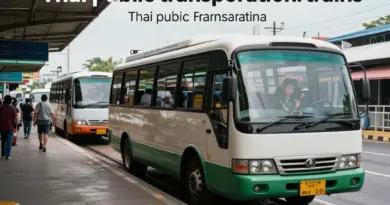
Buses form the most extensive and often the cheapest public transport network in Thailand. [2, 6, 12, 13] They connect almost every city and town, from major provincial capitals to smaller, more remote locations. You’ll find various types of buses, from basic public buses to comfortable VIP and first-class coaches with reclining seats, air conditioning, and even onboard restrooms. [7, 9, 13, 22] For budget-conscious travelers, buses often represent the best transport mode in Thailand for intercity travel. [2, 3, 6, 17] Minivans are also a popular option for shorter intercity routes, offering more frequent departures and faster travel than standard buses, though they can be cramped. [4, 22]
Pros of Bus Travel:
- Affordability: Generally the cheapest option for long-distance travel. [6, 8, 17, 20]
- Extensive Network: Reaches almost every corner of the country. [2, 12]
- Frequency: Many routes have frequent departures throughout the day and night. [2, 3]
- Convenience: Often includes door-to-door service or connections to popular tourist areas, especially when booking through agents. [6]
Cons of Bus Travel:
- Time: Can be very long, especially for overnight journeys, and subject to traffic delays. [3, 8]
- Comfort: While VIP buses are comfortable, cheaper options can be less so, and air-con can be inconsistent. [5, 7, 9]
- Safety: Minivans, in particular, have a reputation for fast driving. [22]
- Bus Stations: Often located outside city centers. [2]
Boats: Gateway to Thailand’s Islands and Coastal Beauty
For island hopping and exploring Thailand’s stunning coastlines, boats are indispensable. This category includes everything from traditional long-tail boats for short hops and river cruises, to larger ferries and speedboats connecting islands like Phuket, Koh Samui, Koh Phi Phi, and Koh Lanta. [4, 7, 8, 20] Many transport providers offer combined bus/train and ferry tickets, simplifying travel to the islands. [6, 7] For those dreaming of turquoise waters and white sand beaches, boats are the essential best transport mode in Thailand.
Pros of Boat Travel:
- Access: The only way to reach many of Thailand’s beautiful islands. [7]
- Scenery: Offers breathtaking coastal views and unique experiences like long-tail boat tours. [7, 8]
- Cost: Ferries are generally affordable for island transfers. [4, 20]
Cons of Boat Travel:
- Weather Dependent: Services can be disrupted or cancelled during rough seas or monsoon season.
- Speed: Slower than land transport for direct routes, and can be prone to seasickness for some. [3]
- Limited Schedules: Fewer departures compared to buses or trains, especially for less popular routes.
Comparing Transport Modes: Cost, Comfort, and Time at a Glance
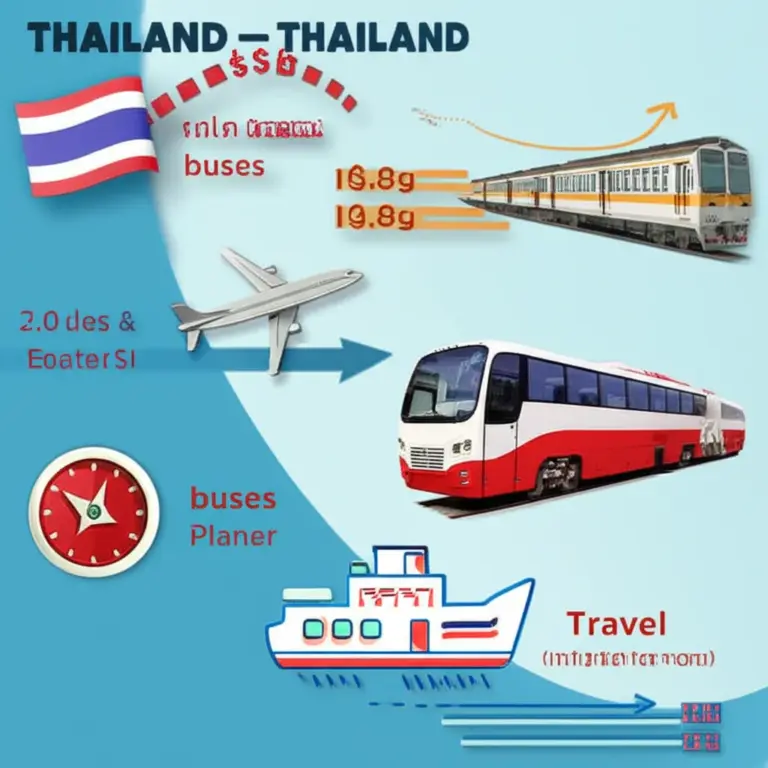
To help you pick the best transport mode in Thailand for your specific needs, here’s a comparative overview:
| Mode | Cost (General) | Comfort (General) | Time (General) | Best For |
|---|---|---|---|---|
| Planes | High (can be mid with budget airlines/advance booking) [8, 17] | High | Very Fast [3, 8] | Long distances, limited time, reaching islands quickly. |
| Trains | Mid (sleeper can be good value) [8, 20] | Mid to High (especially sleepers) [5, 13] | Slow to Mid [3, 7, 8] | Scenic journeys, overnight travel, unique experience. |
| Buses | Low [6, 8, 17, 20] | Low to Mid (VIP buses offer more) [7, 9] | Slow (subject to traffic) [3, 8] | Budget travel, extensive network, reaching smaller towns. |
| Boats | Low to Mid (depending on type) [4, 20] | Low to Mid (can be rough) | Slow to Mid (weather dependent) [3] | Island hopping, coastal exploration, unique views. |
Local Transportation within Cities and Towns
Beyond intercity travel, you’ll encounter a variety of local transport options:
- Taxis & Ride-Hailing (Grab/Bolt): Widely available in major cities like Bangkok. Insist on the meter for taxis or use apps like Grab or Bolt for transparent pricing. [5, 12, 17]
- Motorcycle Taxis: Fast and cheap for short distances, especially in traffic, but less safe. [5, 12]
- Tuk-tuks: Iconic three-wheeled vehicles offering a fun, albeit often pricier and unmetered, experience. Negotiate fares beforehand. [2, 3, 12]
- Songthaews: Shared pickup trucks with two benches in the back, common in smaller cities and for fixed routes. Very affordable. [2, 12, 16]
- BTS Skytrain & MRT Subway (Bangkok): Efficient, air-conditioned, and traffic-free ways to navigate Bangkok’s urban sprawl. [2, 3, 10, 12]
Tips for Choosing Your Transport Mode
To make the best transport mode in Thailand choice for each leg of your journey, consider these practical tips:
- Book in Advance: Especially for popular train sleepers, domestic flights, or during peak seasons/holidays, booking ahead is crucial. [16, 23]
- Use Online Booking Platforms: Websites like 12Go.Asia are excellent for comparing and booking tickets for buses, trains, and ferries. [18, 23]
- Consider Combo Tickets: For island destinations, look for combined bus/train + ferry tickets offered by operators. [7]
- Balance Cost vs. Time: If you have limited time, paying more for a flight might be worth it. If you’re on a budget and enjoy slow travel, buses and trains are ideal. [8]
- Pack Light: Especially if using budget airlines or motorcycle taxis, lighter luggage makes travel easier. [7, 5]
- Download Useful Apps: Grab/Bolt for ride-hailing, Google Maps for public transport routes, and 12Go.Asia for bookings. [8, 11, 12]
Conclusion
Thailand’s robust transportation infrastructure offers a mode for every preference and budget. Whether you choose the speed of a plane, the scenic route of a train, the extensive reach of a bus, or the island-hopping adventure by boat, understanding the nuances of each will empower you to create a seamless and enjoyable travel itinerary. By considering your priorities for cost, comfort, and time, you can confidently select the best transport mode in Thailand for every leg of your unforgettable journey. Safe travels!
คำถามที่พบบ่อย (FAQ)
References
- Hanoi Voyages – Transportation in Thailand
- The Bear Travel – Top 10 Fastest Vehicles and Transport Options in Thailand
- Stippl – The Best Transport Options in Thailand
- TravelBud – Transport in Thailand: The Easy Guide To Getting Around Thailand
- Nomad And In Love – Thailand Transportation Guide
- Lonely Planet – How to get around in Thailand
- Never Ending Footsteps – The Cost of Travel in Thailand
- Quora – What is the best mode of transportation one should use while traveling within Thailand?
- YouTube – ULTIMATE THAILAND TRAVEL GUIDE
- Thailand Simple – Transportation Methods in Thailand
- YouTube – ULTIMATE THAILAND TRAVEL GUIDE (Watch before coming here)
- Holidify – Transportation in Thailand
- TravelThru – Your Complete Thailand Travel Cost Breakdown for Any Budget
- Dream Big Travel Far Blog – Getting Around Thailand In 2025
- Rome2Rio – Phuket to Thailand
- Hanoi Voyages – Thailand travel budget
- Budget Your Trip – Thailand Travel Cost
- THAIest – Thailand Domestic Travel
- Reddit – Traveling around Thailand
- Getting Around Thailand: The Complete Guide to Transportation Options for Tourists and Expats
- Navigating Cities: Bangkok and Chiang Mai Local Transport–Skytrain, MRT, Taxis, Tuk-tuks, Motorbike Taxis, and Ride-Hailing Apps
- Long-Distance Travel Explained: Overnight Trains, VIP Buses, Domestic Flights, and Scenic Routes for Island Hopping